
From Prototype to Profit: How IBM's CUGA Redefines Enterprise Agents
IBM’s CUGA pilot shows that enterprise agent value depends less on leaderboard glory than on governed tool use, provenance, regression testing, and measurable workflow compression.
IBM’s CUGA pilot shows that enterprise agent value depends less on leaderboard glory than on governed tool use, provenance, regression testing, and measurable workflow compression.

ReCAP shows that long-horizon AI agents need not just more context, but better context organisation: recursive planning, parent-plan reinjection, and bounded memory.

ADP reframes agent training as a data interoperability problem, showing how typed trajectories can turn scattered agent datasets into reusable fine-tuning infrastructure.
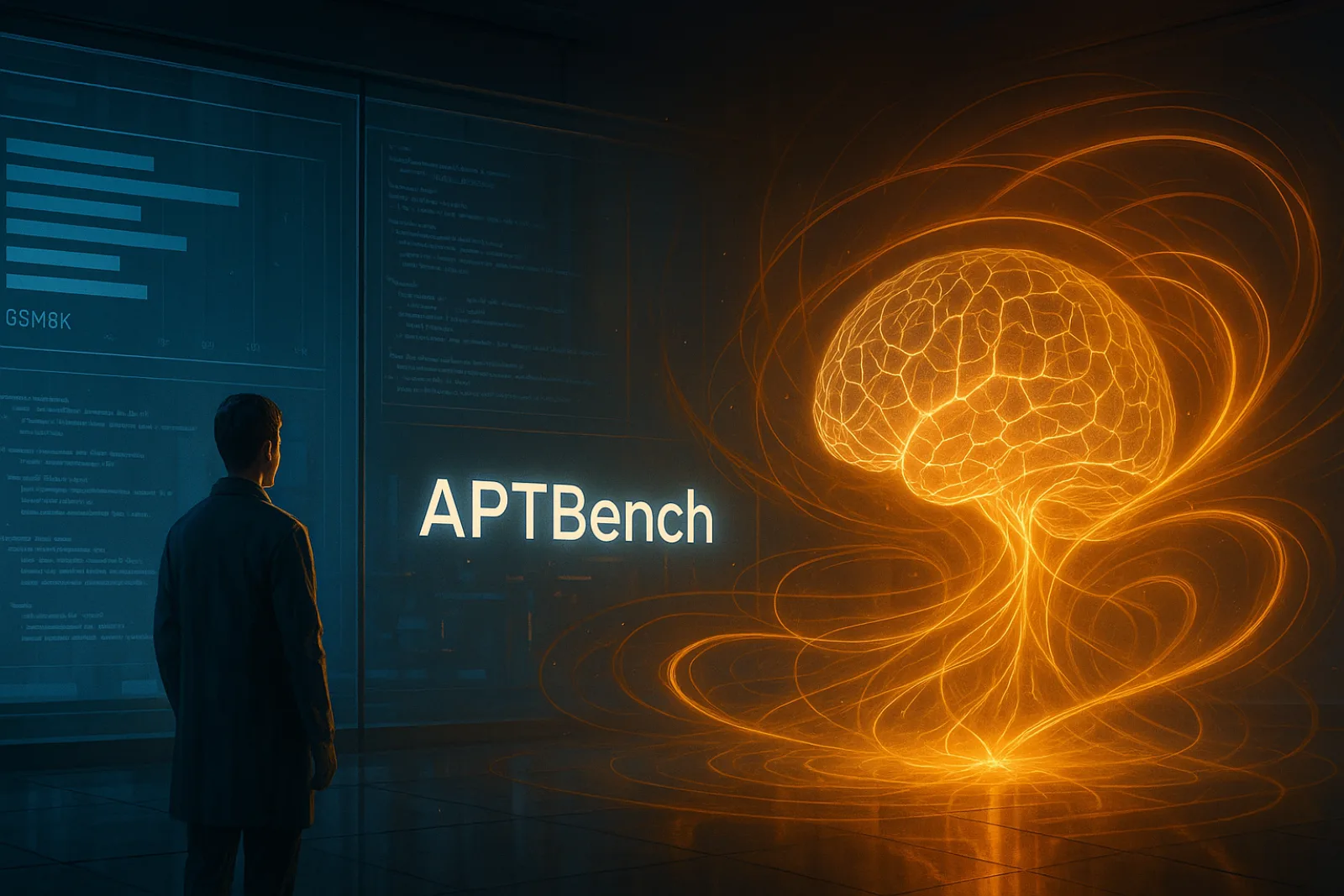
APTBench shows why general LLM benchmarks are weak signals for agent readiness, and how trajectory-derived tests can diagnose agentic potential before expensive post-training begins.

TDFlow shows that coding agents become far more useful when humans define correctness as executable tests and agents are constrained to solve them.
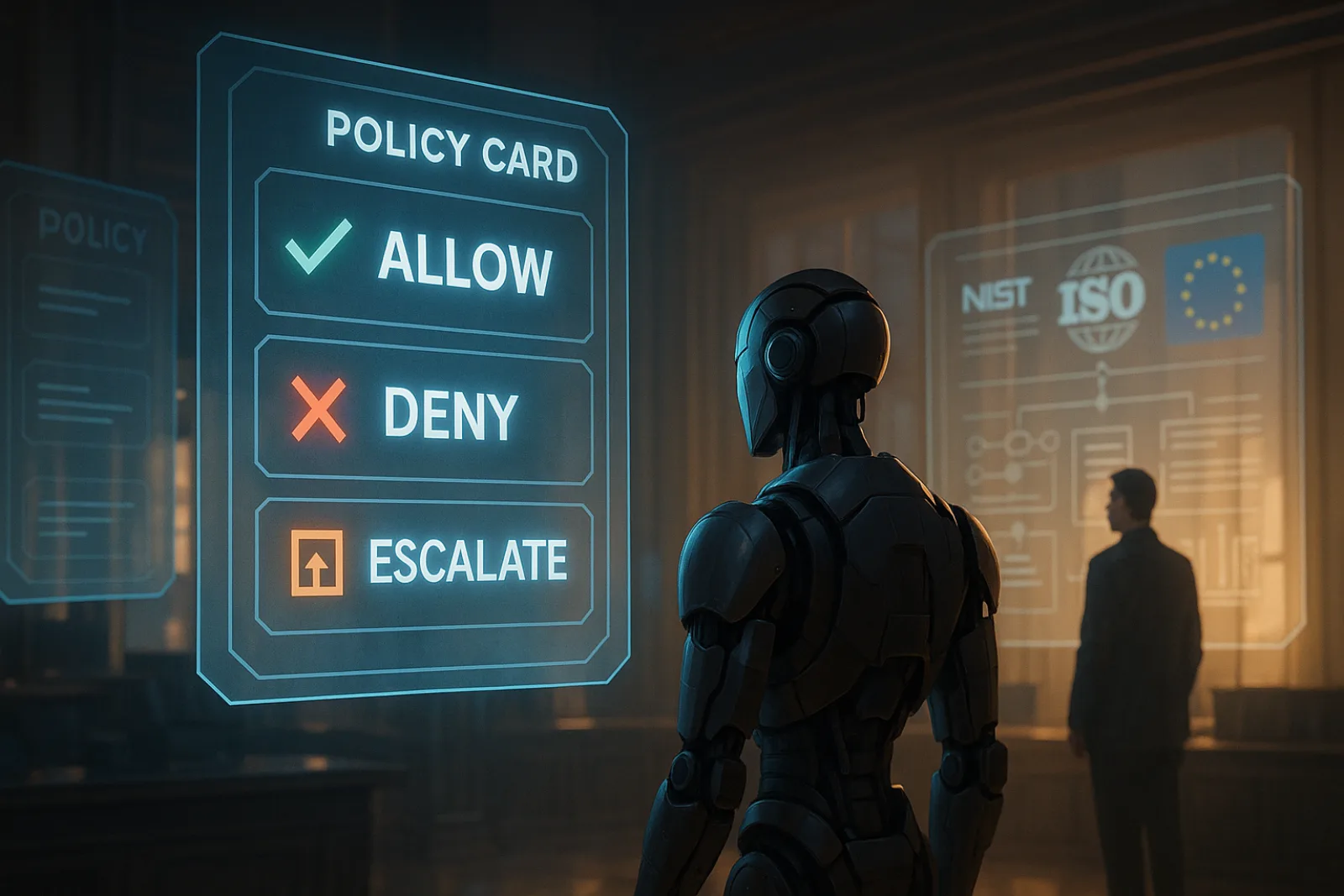
Policy Cards turn AI governance from scattered compliance prose into a machine-readable runtime contract for autonomous agents.

Alita-G shows how agents can turn successful task executions into reusable tools, suggesting a practical route from one-off automation to accumulated operational capability.

A mechanism-first reading of how memory constraints turn agentic AI from mystical autonomy into verifiable controller design.

A mechanism-first reading of Multi-Agent Evolve, a self-training framework where one LLM learns by proposing, solving, and judging its own tasks.

A workflow-level reading of human and AI work shows why agents are cheap, quick, programmatic, and still risky in the places businesses most want to automate.