
When the Robot Body Changes, How Much Intelligence Should Move With It?
A roadmap for separating physical reasoning from robot-specific execution so models, tools, traces, and evaluations can become more reusable across embodiments.
A roadmap for separating physical reasoning from robot-specific execution so models, tools, traces, and evaluations can become more reusable across embodiments.
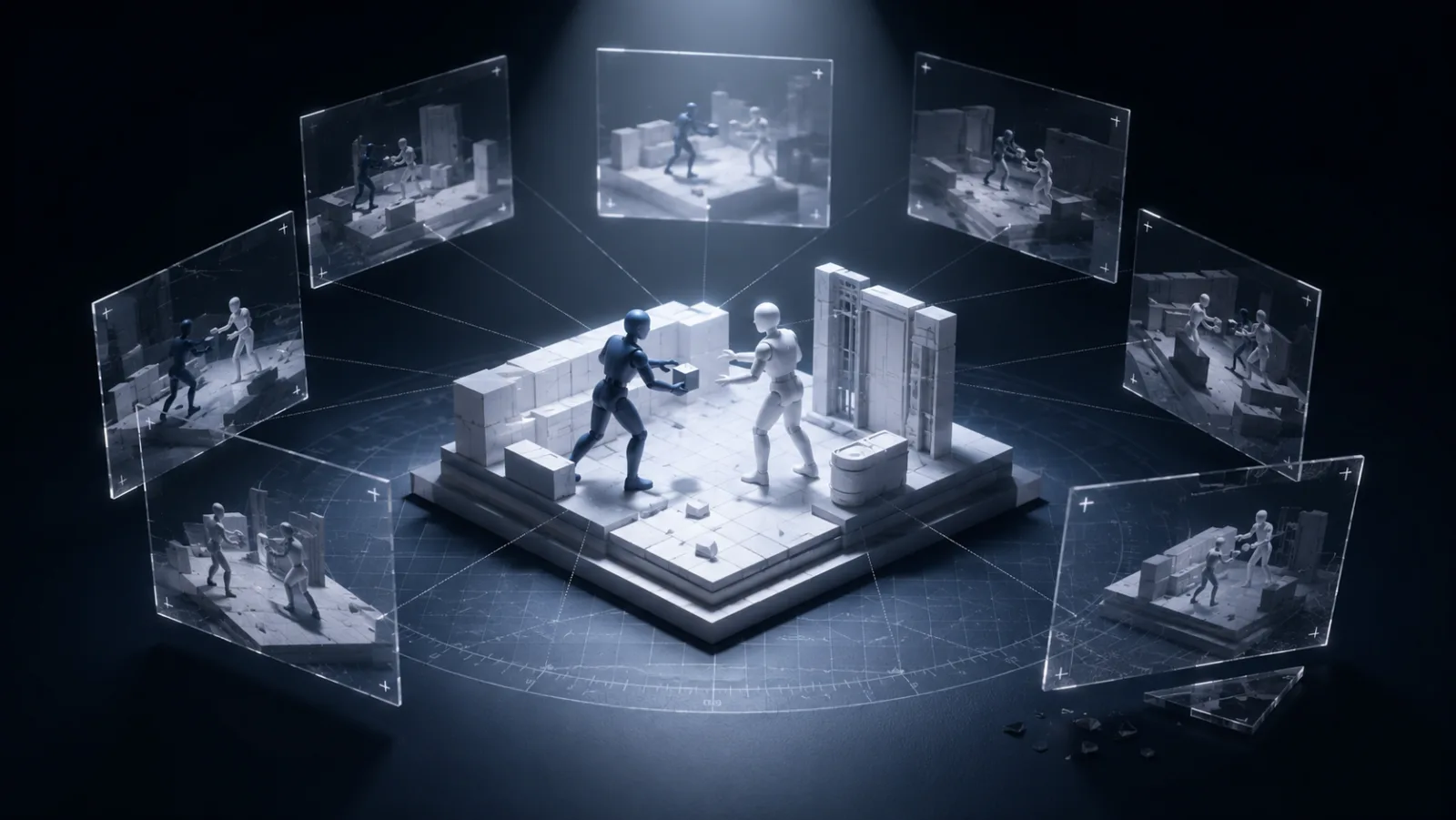
GameplayQA shows why strong video recognition is not enough for agentic systems that must preserve temporal, entity, and viewpoint grounding as scenes evolve.

Task-conditioned scene-graph pruning can reduce robot planning cost by deciding which parts of a rich world model actually need to reach the planner.

World Action Planner shows why embodied-agent robustness may require a predictive verification-and-search layer between high-level action proposals and physical execution.

STAR shows why model selection for time-sensitive agents must account for inference latency, action throughput, and execution quality—not reasoning strength alone.

A position paper argues that collaborative-robot reliability requires maintaining an inspectable shared interpretation of the task, environment, and human intent—not merely making the controller predictable.

A systems view of AI agents shows why task completion alone is a weak deployment criterion for tool-using, stateful automation.
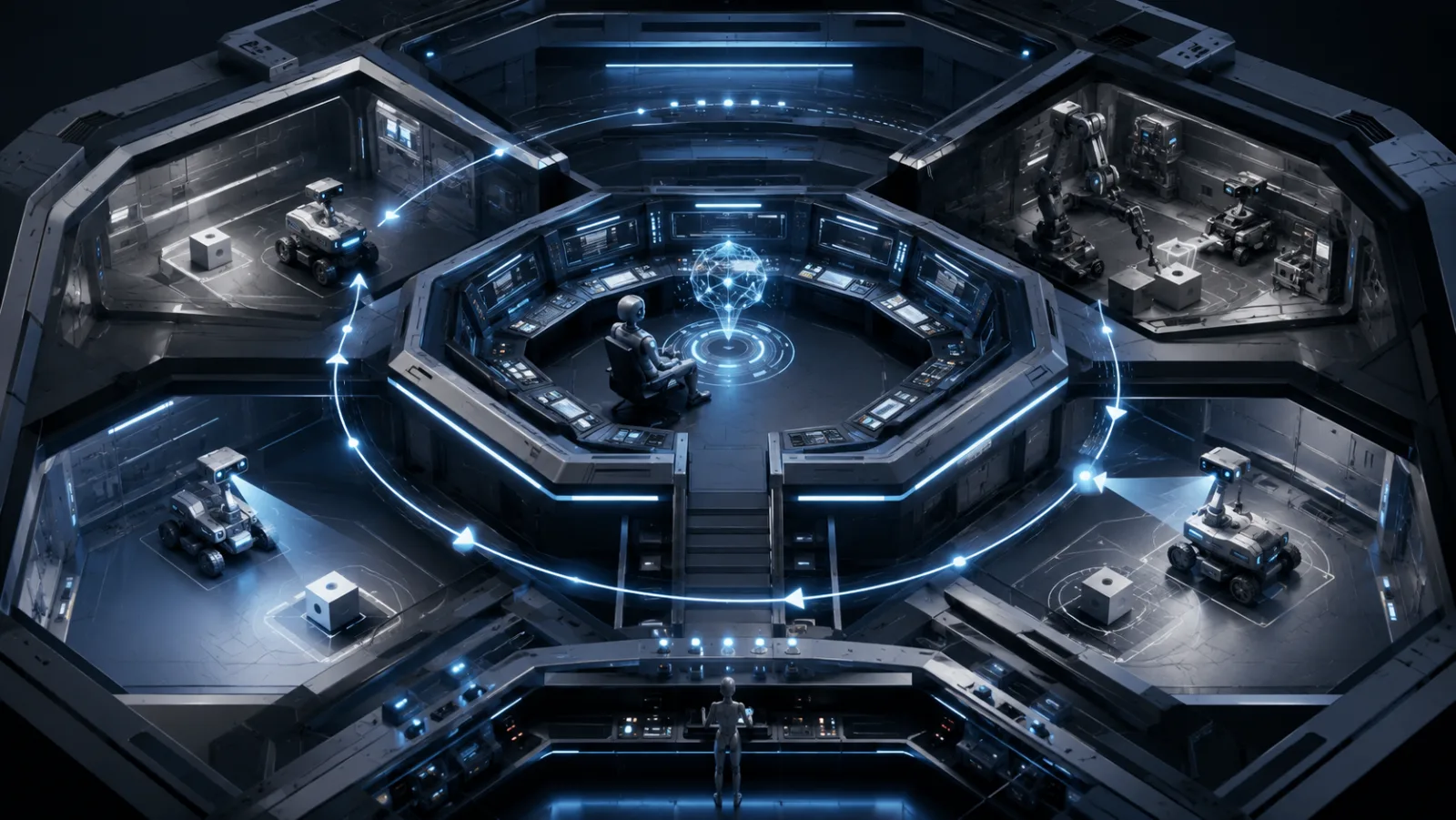
A small physical-robot study suggests that general multimodal models can track short-horizon spatial state and verify action outcomes, but it does not yet establish an internal world model.

Agent evaluations become less informative when the system can infer that it is being tested and condition its behavior on that inference.
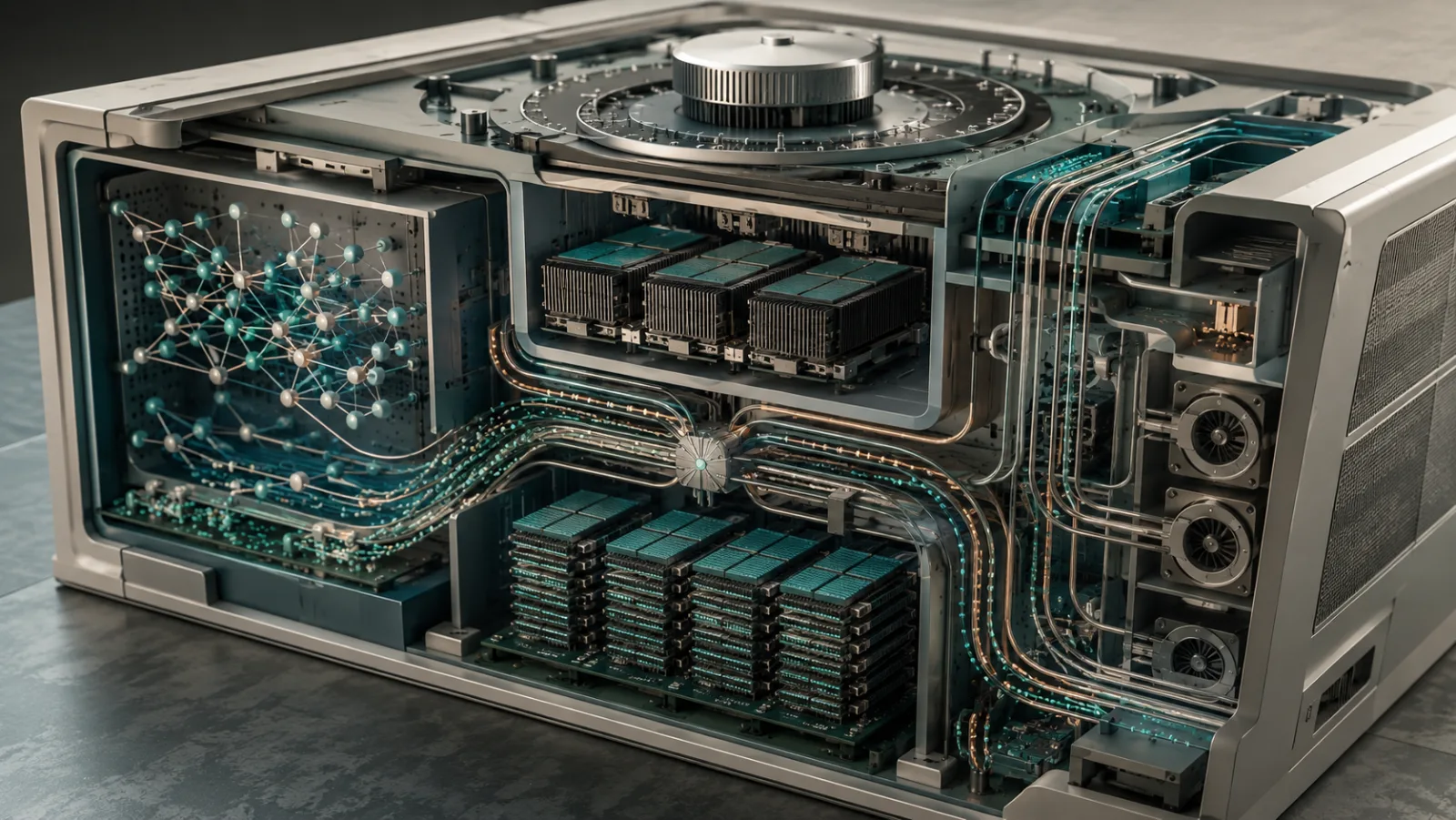
Graph-transformer scaling works best as a workload-to-hardware matching problem, not a simple decision to add more GPUs.