Bodies Do the Thinking: Why Physical AI Changes the Intelligence Game
A mechanism-first reading of Physical AI as embodied feedback: where sensing, motion, learning, autonomy, and context become one business-critical control loop.
A mechanism-first reading of Physical AI as embodied feedback: where sensing, motion, learning, autonomy, and context become one business-critical control loop.

A mechanism-first look at why adversarial multi-agent training breaks cooperative systems, and how Rational Policy Gradient turns sabotage into useful stress testing.
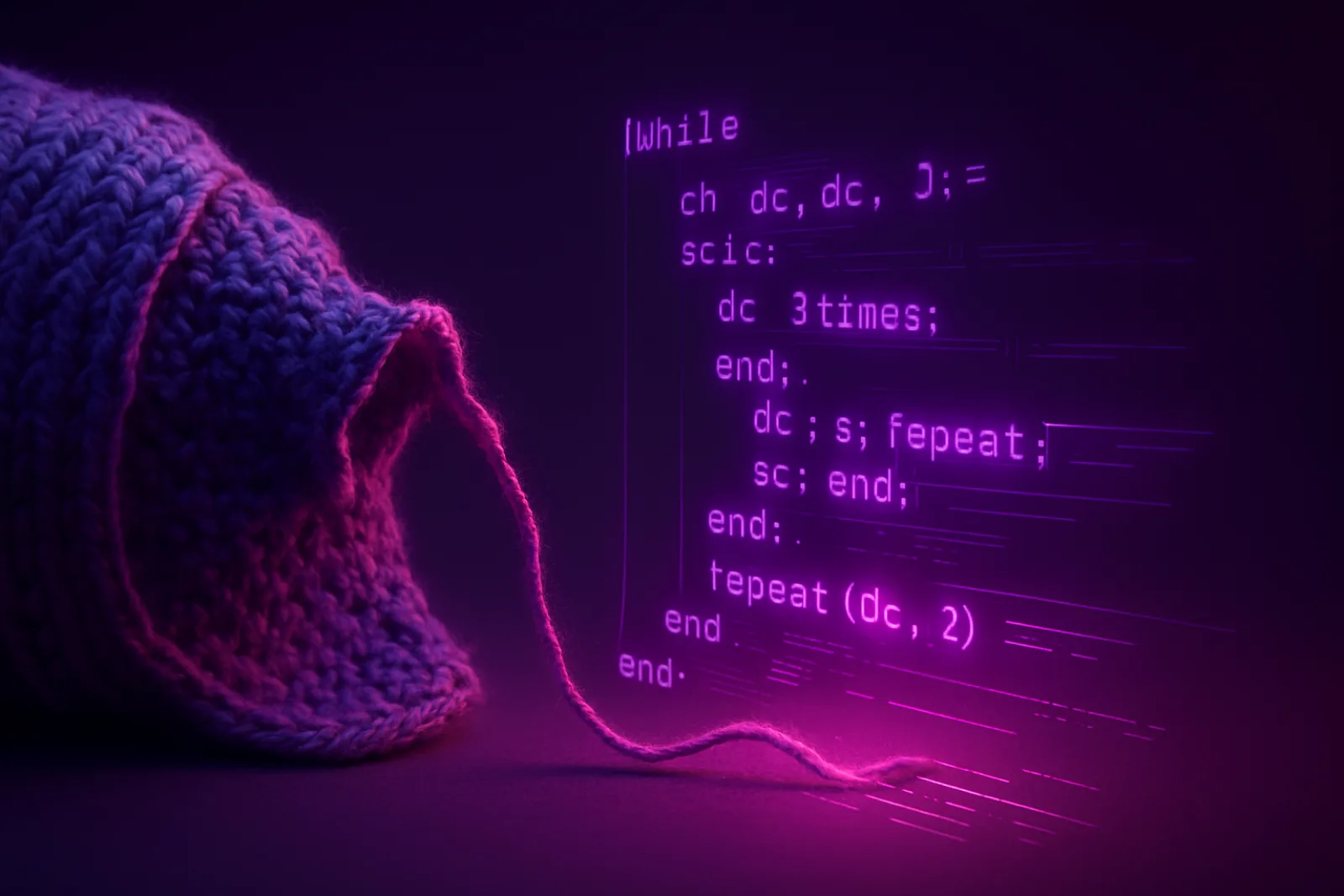
CrochetBench shows why multimodal AI can describe finished objects yet still fail at generating executable, structure-aware procedures.

A business-readable analysis of why frontier LLMs are getting better at formal planning, but still need symbolic validation before they touch real operations.

Consensus sampling reframes AI safety as probability-level agreement, offering a formal way to reduce undetectable output risks when inspection is not enough.

A mechanism-first reading of WWDC, a latent flow-matching method for suppressing known signals so residual structure becomes easier to inspect.

A mechanism-first reading of when restarting random walks beat breadth-first search for escaping heuristic dead zones in AI planning.

A comparison-based reading of SNN-HDC, a decoding method that trades one-hot outputs for binary hypervectors to reduce spike activity and estimated energy in neuromorphic vision.

A practical reading of why agent memory can turn useful experience into brittle, biased behaviour when systems continuously rewrite their own lessons.

COSMOS turns online moderation into a counterfactual simulation problem, showing why personalised interventions may reduce toxicity without the collateral damage of blunt bans.