Cover image

Team Sync or Team Sink: When AI Starts Reading Your Pulse

Pulse is a tempting number. Put two people in a high-pressure task, strap a wearable to each wrist, measure how their bodies move together, and it becomes very easy to tell a neat story: synchronized teams are aligned teams; aligned teams perform better; therefore, AI should monitor physiological synchrony and intervene when people fall out of sync. ...


April 1, 2026 · 14 min · Zelina
Cover image

Mind the Agent: When AI Starts Reading the Room (and Your Brain)

Mind the Agent: When AI Starts Reading the Room (and Your Brain) Room. That is where most “AI agent” discussions quietly stop. The agent sees the screen. It reads the chat. It scans the calendar. Perhaps it hears a meeting transcript, checks a CRM record, and decides that everyone is “aligned,” which is corporate English for “no one has objected loudly enough yet.” ...

March 4, 2026 · 17 min · Zelina
Cover image

Wired for Symbiosis: How AI Turns Wearables Into Health Allies

Wearables already know how to count steps, estimate sleep, flash warnings, and occasionally shame their owners into standing up. Useful, yes. Symbiotic, not quite. The gap is not that today’s devices lack sensors. The gap is that most wearable health systems still behave like polite data loggers: they collect signals, process them through fairly rigid pipelines, and hand the user an output that may or may not survive contact with sweat, movement, noise, ageing, illness, mood, medication, and the small inconvenience that humans are not factory-calibrated machines. ...

November 18, 2025 · 15 min · Zelina
Cover image

Vitals, Not Vibes: Inside the New Anatomy of Personal Health Agents

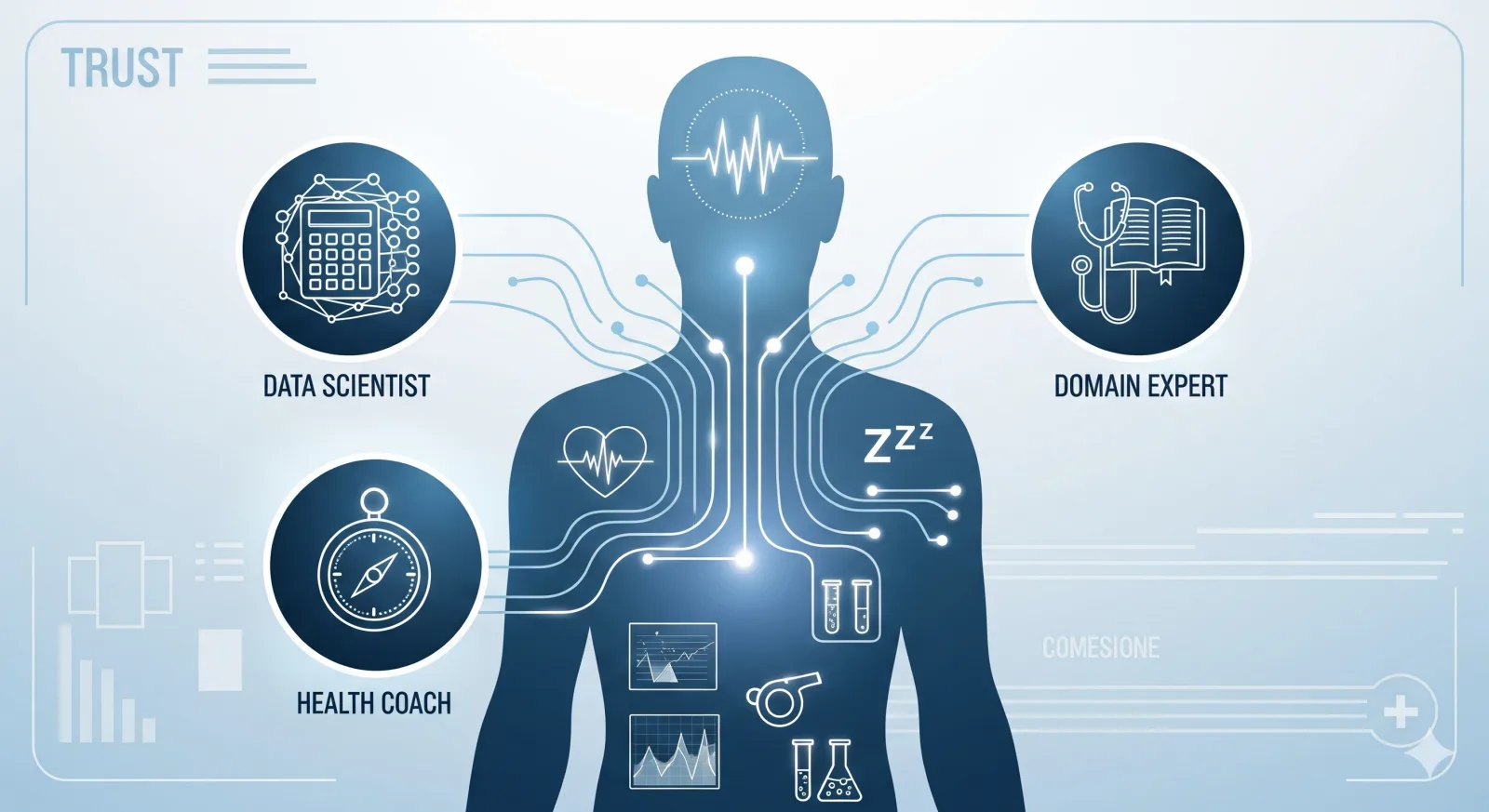
TL;DR for operators Personal health AI is usually sold as a friendly chatbot with a fitness tracker bolted on. This paper argues for something more awkward, more expensive, and much more plausible: a coordinated system of specialised agents. One agent analyses longitudinal wearable and health-record data. One grounds advice in health knowledge and user context. One handles coaching, goal-setting, and behaviour change. An orchestrator decides who should act, who should support, what should be remembered, and how the final answer should be assembled.1 ...

August 31, 2025 · 15 min · Zelina