Cover image

When Control Towers Learn to Think: Agentic AI Enters the Supply Chain

Control towers are good at showing managers what the company already knows. That is useful. It is also the problem. Most supply-chain control towers watch direct suppliers, shipments, inventory levels, and predefined thresholds. They are strongest when the relevant data has already been structured and admitted into the system. But many serious disruptions begin elsewhere: a Tier-3 materials supplier, a Tier-4 regional dependency, a geopolitical event buried in a news article, or a supplier relationship nobody remembered until the factory schedule started looking nervous. ...


January 15, 2026 · 17 min · Zelina
Cover image

Stock, Shock, and Two Smoking Agents: Why Inventory Needs an Autopilot

A shelf goes empty. A buyer blames the forecast. The forecast blames the promotion calendar. The warehouse blames the supplier. The supplier blames the port, the weather, or, if creativity is running low, “unexpected demand.” This little theatre is familiar because inventory failure is rarely one failure. It is a chain reaction. A SKU is not replenished too late simply because someone forgot to click “order.” It is replenished too late because demand sensing, stock monitoring, supplier reliability, lead-time uncertainty, product perishability, warehouse capacity, and purchasing authority are usually handled by separate systems pretending they are coordinated. Very modern. Very expensive. ...

December 1, 2025 · 16 min · Zelina
Cover image

Trade Winds and Neural Currents: Predicting the Global Food Network with Dynamic Graphs

TL;DR for operators A recent arXiv paper proposes IVGAE-TAMA-BO, a dynamic graph model for predicting whether future crop-trade links are likely to exist in the global food network.1 That sounds grand. The useful version is narrower and better: the model tries to learn how trade relationships rewire over time, especially when old routes persist, weak links disappear, and new pairings emerge. ...

November 6, 2025 · 14 min · Zelina
Cover image

Pareto on Autopilot: Evolving RL Policies for Messy Supply Chains

A supply chain rarely fails because one objective was neglected in a spreadsheet. It fails because the spreadsheet quietly pretended the objective would stay still. Yesterday the priority was margin. Today it is carbon exposure. Tomorrow a route becomes expensive, a supplier becomes unreliable, demand arrives in a pattern that looks suspiciously like a sine wave wearing a hard hat, and the “optimal” plan starts ageing like milk. ...

September 12, 2025 · 13 min · Zelina
Cover image

Plan, Act, Replan: When LLM Agents Run the Aisles

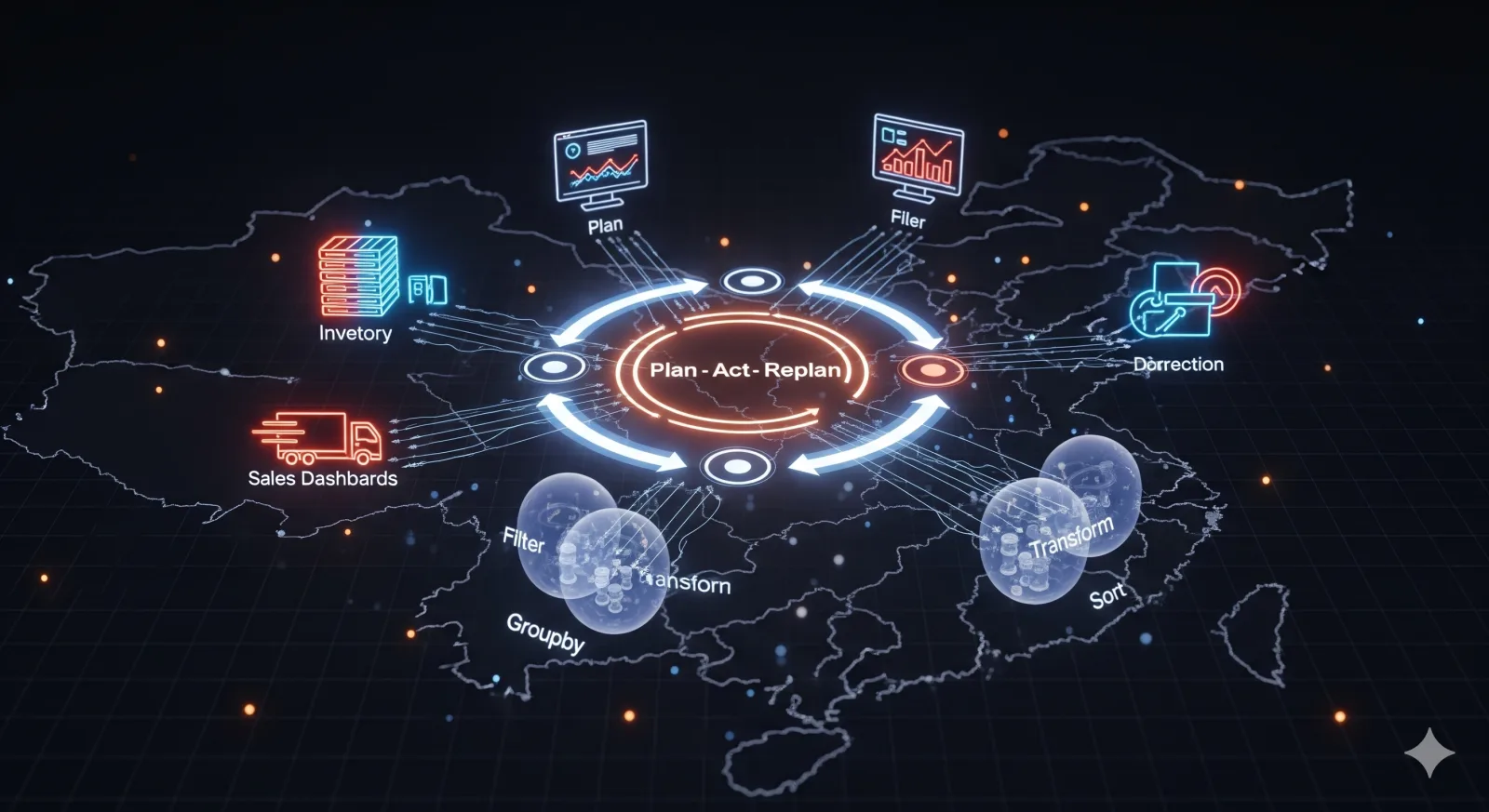
Retail planning usually fails in the hand-off. A sales team sets a target. Inventory planners translate it into stock positions. Procurement checks supplier feasibility. Operations discovers warehouse constraints. Someone exports a spreadsheet, someone else reworks the assumptions, and by the time the plan looks executable, the market has already wandered off with the innocence of a cat near an open laptop. ...

September 8, 2025 · 13 min · Zelina
Cover image

Brains Meet Brains: When LLMs Sit on Top of Supply Chain Optimizers

TL;DR for operators The paper is useful because it gets the hierarchy right: the optimizer decides; the LLM explains, configures, contextualizes, and packages the decision for humans.1 That is not a small distinction. It is the difference between a supply chain system that can be audited and a chatbot confidently waving at a warehouse. ...

September 1, 2025 · 17 min · Zelina
Cover image

Bias in the Warehouse: What AIM-Bench Reveals About Agentic LLMs

TL;DR for operators AIM-Bench is not another “which model is smartest?” leaderboard. It is a warehouse stress test for agentic LLMs asked to make replenishment decisions under uncertainty.1 The useful lesson is uncomfortable: inventory agents can look mathematically fluent while still behaving like biased managers. Most evaluated models show mean anchoring in the newsvendor task. All evaluated models show bullwhip amplification in the Beer Game. Some models over-order to avoid stockouts; others keep leaner inventory but accept higher shortage risk. In other words, the operational personality of the model matters. ...

August 18, 2025 · 14 min · Zelina
Cover image

Planners, Meet Your Smart Sidekick

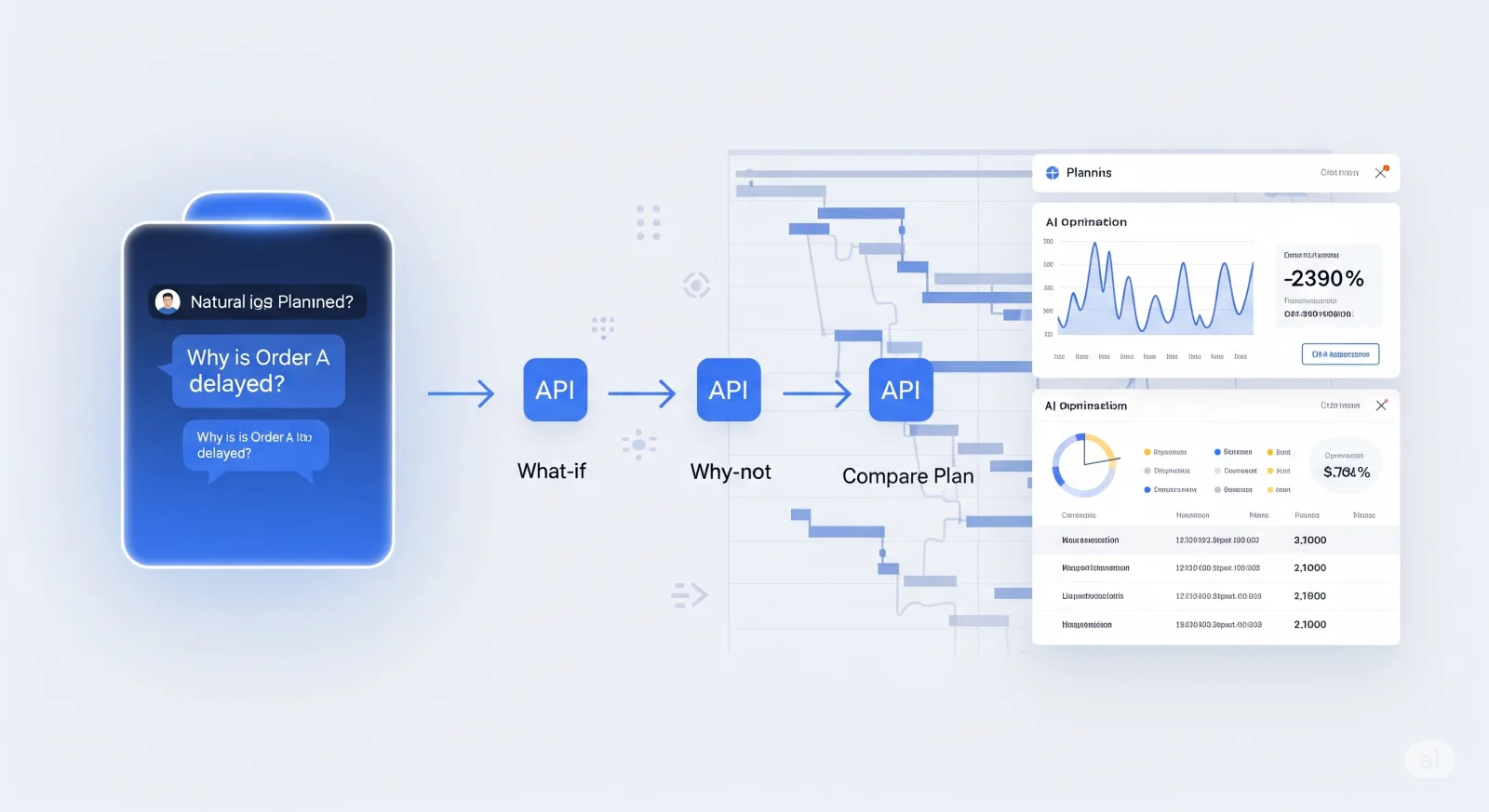
TL;DR for operators SMARTAPS is not another chatbot sprinkled over enterprise software like parsley on a mediocre buffet. It is a tool-augmented interface for advanced planning systems: planners ask natural-language questions, the system detects the planning intent, retrieves the right expert-built API, extracts the necessary parameters, runs the tool, and turns the raw result into a readable answer.1 ...

July 26, 2025 · 14 min · Zelina

From Generic Supplier Emails to Supply Chain Outreach Intelligence

A mid-sized e-commerce company evolved a generic outreach assistant into a supply-chain-aware agent workflow that links supplier communication with inventory risk, logistics recovery, procurement judgment, and sustainability review.

June 30, 2025 · 7 min · Vox