Cover image

Teaching Has a Poker Face: Why Teacher Emotion Needs Its Own AI

Teaching Has a Poker Face: Why Teacher Emotion Needs Its Own AI A teacher can say “Good, let’s try again” in at least five different emotional languages. It can mean patience. It can mean disappointment carefully wrapped in professionalism. It can mean encouragement, routine classroom management, mild frustration, or the heroic survival instinct of someone explaining the same concept for the fourth time while thirty students perform collective eye contact avoidance. ...

December 24, 2025 · 18 min · Zelina
Cover image

When Opinions Blur: Fuzzy Logic Meets Sentiment Ranking

A laptop search looks simple until the buyer stops asking for “best laptop” and starts asking for “good battery life and clear display.” That small shift ruins a surprising amount of ordinary ranking logic. A generic search engine can count keywords. A conventional sentiment model can say whether reviews are positive or negative. A marketplace can sort by stars, sales, or recency. But the buyer is not really asking for the universally best laptop. They are asking for the product whose reviewed strengths match their preferred aspects, with enough confidence and enough intensity to matter. ...

November 1, 2025 · 13 min · Zelina
Cover image

When the Market Speaks: A New Dataset That Actually Listens

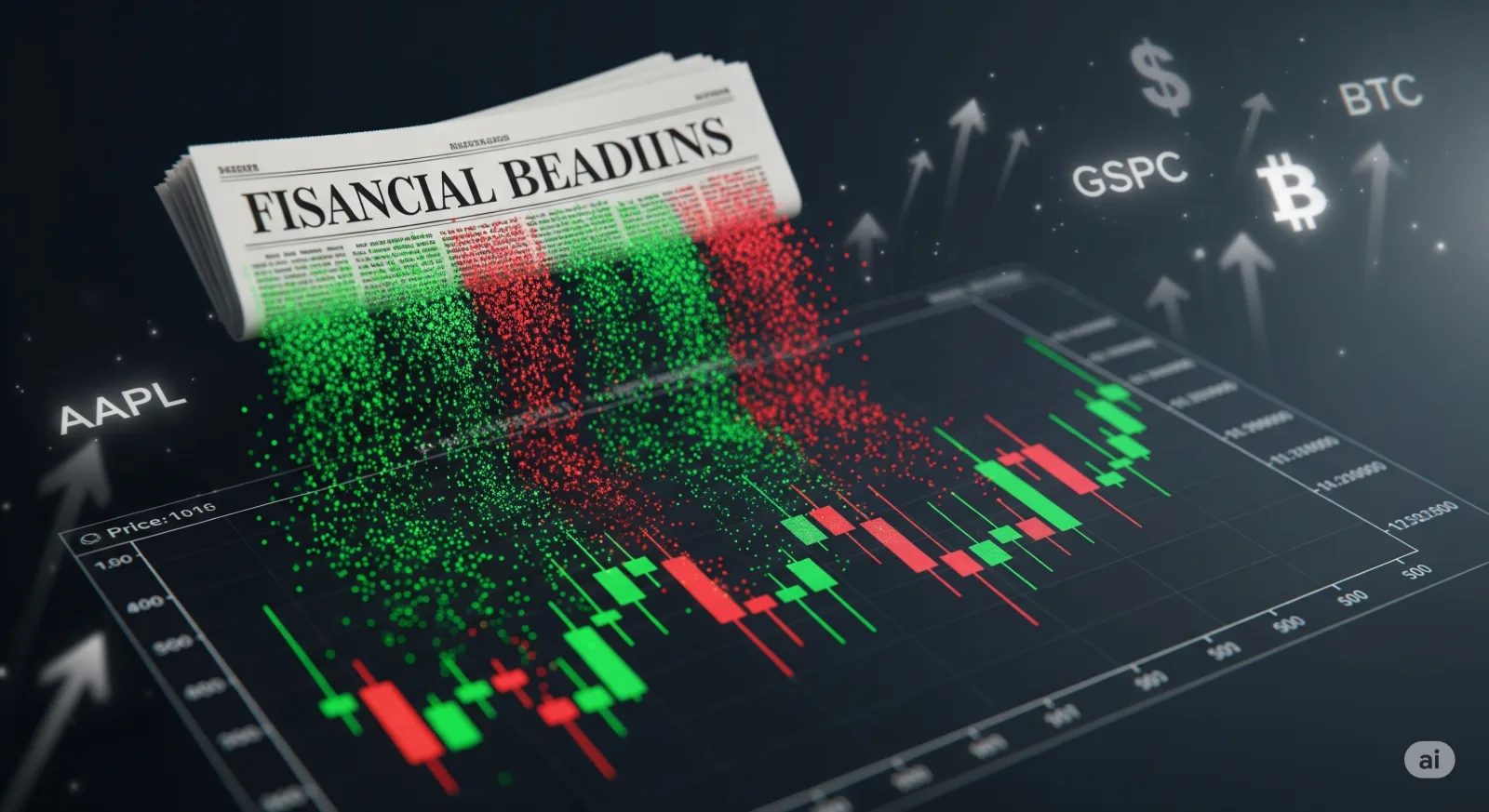
TL;DR for operators FinMarBa is a useful reminder that in finance, sentiment is not what a sentence sounds like. Sentiment is what the market does after reading, absorbing, ignoring, overreacting to, or misunderstanding that sentence. Very elegant. Very inconvenient. The paper introduces a 61,252-headline financial sentiment dataset built from Bloomberg Market Wraps covering 2010 to January 2024.1 Instead of asking human annotators whether a headline feels positive, negative, or neutral, the authors use a market-based labelling process: extract headlines, identify relevant tickers with GPT-4, observe the next-day price reaction, compare that reaction with the ticker’s rolling five-year return distribution, and assign a label from that relative move. ...

August 3, 2025 · 15 min · Zelina
Cover image

🚀 All Talk, No Stocks? What Reddit Sentiment *Doesn't* Predict

TL;DR for operators A new paper by Mateusz Kmak and colleagues asks a very practical question: can Reddit sentiment, especially when annotated with ChatGPT and fed into a fine-tuned Financial-RoBERTa model, predict meme-stock prices?1 The short answer is: not very well. Which is awkward, because the whole exercise starts from the obvious temptation that if Reddit can help move a stock, then Reddit sentiment should help forecast it. Markets, naturally, have declined to be that tidy. ...

August 1, 2025 · 18 min · Zelina
Cover image

Stacking Alpha: How HARLF's Three-Tier Reinforcement Learner Beats the Market

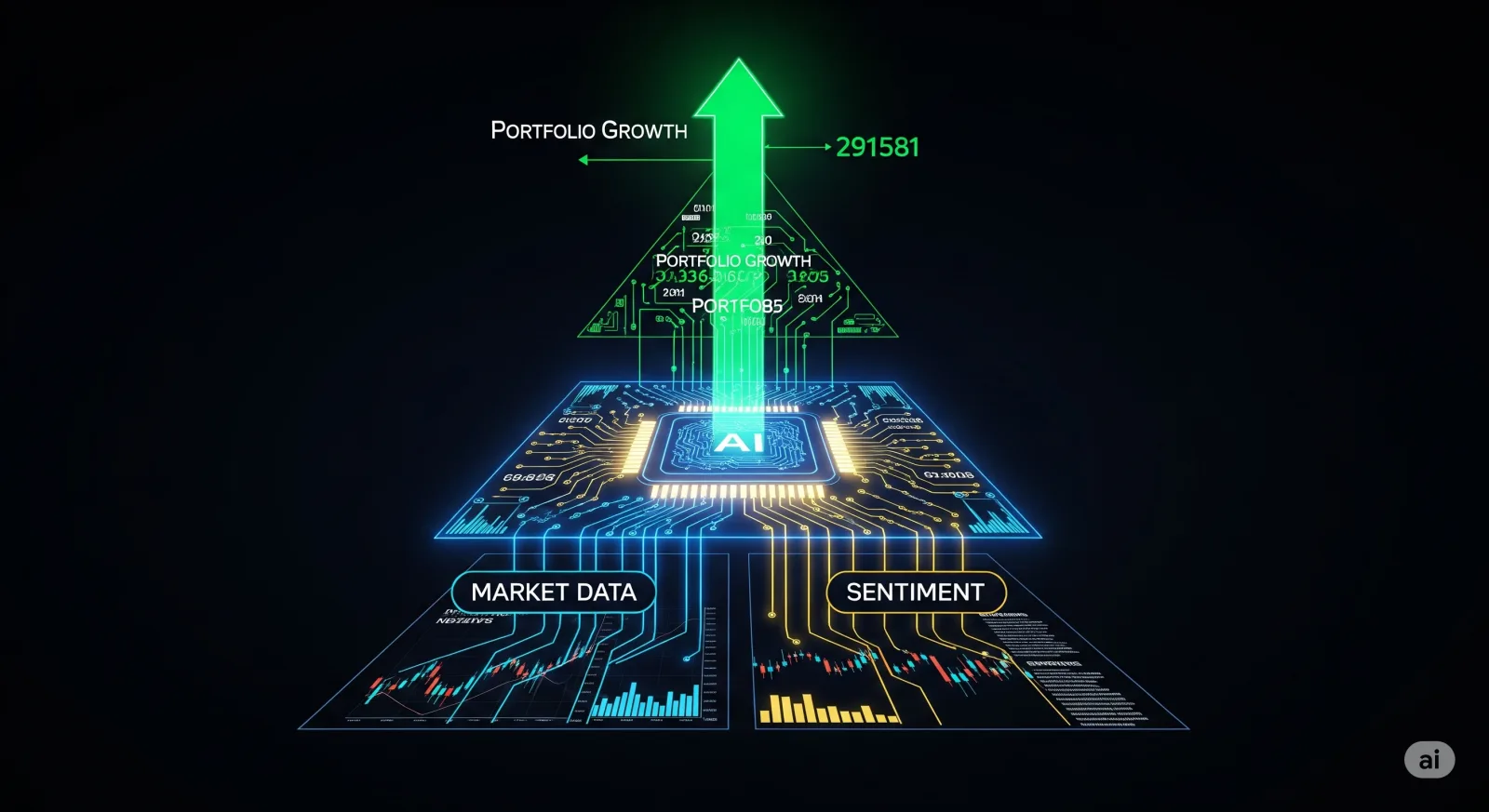
TL;DR for operators HARLF is not a story about a large language model suddenly becoming a portfolio manager. Sensible readers may exhale. The language component is FinBERT sentiment scoring applied to financial news, then converted into monthly asset-level signals. The heavier claim is architectural: instead of throwing price metrics and sentiment into one flat reinforcement-learning model and hoping the neural soup tastes like alpha, the paper separates the decision process into three tiers. ...

July 27, 2025 · 17 min · Zelina
Cover image

The Sentiment Edge: How FinDPO Trains LLMs to Think Like Traders

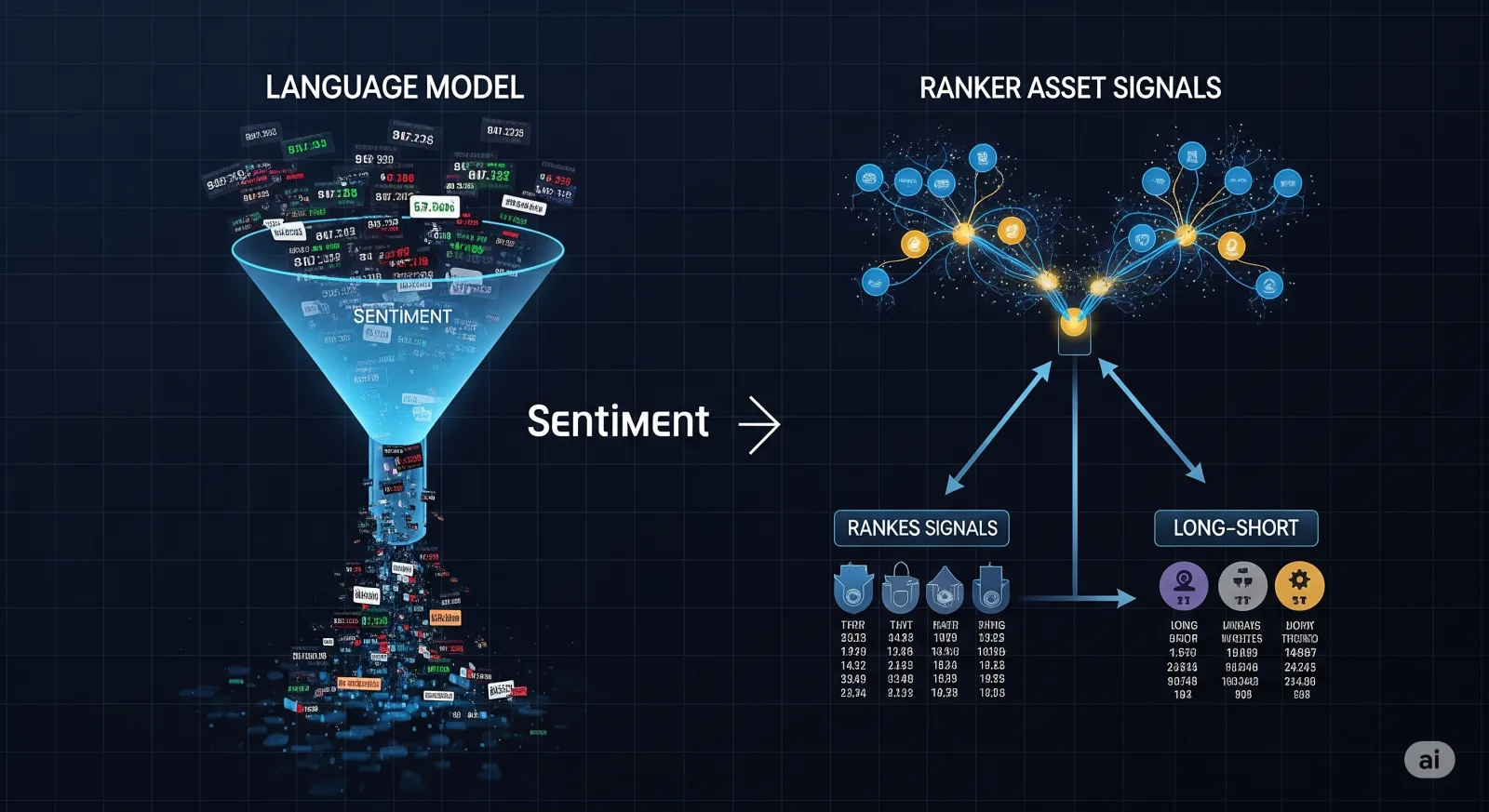
TL;DR for operators News is only useful when it survives the journey from headline to position sizing. FinDPO, proposed by Giorgos Iacovides, Wuyang Zhou, and Danilo Mandic, is a finance-specific Llama-3-8B-Instruct sentiment model trained with Direct Preference Optimization rather than ordinary supervised fine-tuning.1 The paper’s headline result is not merely that FinDPO scores well on sentiment benchmarks. Plenty of models win benchmarks, then politely disappear when transaction costs arrive. ...

July 27, 2025 · 14 min · Zelina
Cover image

Signals & Sentiments: How GPT-2 and FinBERT Beat Buy-and-Hold on the S&P 500

TL;DR for operators A recent arXiv paper tests whether financial-news sentiment from GPT-2 and FinBERT can improve S&P 500 trading when combined with technical indicators and time-series models.1 The strongest reported strategy, GPT-2 sentiment on Dow Jones news combined with VW MACD, returns 5.77% over the May 10-August 7, 2024 test period. The buy-and-hold benchmark returns -0.696% over the same window. ...

July 20, 2025 · 15 min · Zelina