
Cover image

Thinking Twice: Why Making AI Argue With Itself Actually Works

Opening — Why this matters now Multimodal large language models (MLLMs) are everywhere: vision-language assistants, document analyzers, agents that claim to see, read, and reason simultaneously. Yet anyone who has deployed them seriously knows an awkward truth: they often say confident nonsense, especially when images are involved. The paper behind this article tackles an uncomfortable but fundamental question: what if the problem isn’t lack of data or scale—but a mismatch between how models generate answers and how they understand them? The proposed fix is surprisingly philosophical: let the model contradict itself, on purpose. ...

January 21, 2026 · 3 min · Zelina
Cover image

When AI Argues With Itself: Why Self‑Contradiction Is Becoming a Feature, Not a Bug

Opening — Why this matters now Multimodal large language models (MLLMs) are getting dangerously good at sounding right while being quietly wrong. They caption images with confidence, reason over charts with poise, and still manage to contradict themselves the moment you ask a second question. The industry’s usual response has been more data, more parameters, more alignment patches. ...

December 22, 2025 · 3 min · Zelina
Cover image

Mirror, Signal, Trade: How Self‑Reflective Agent Teams Outperform in Backtests

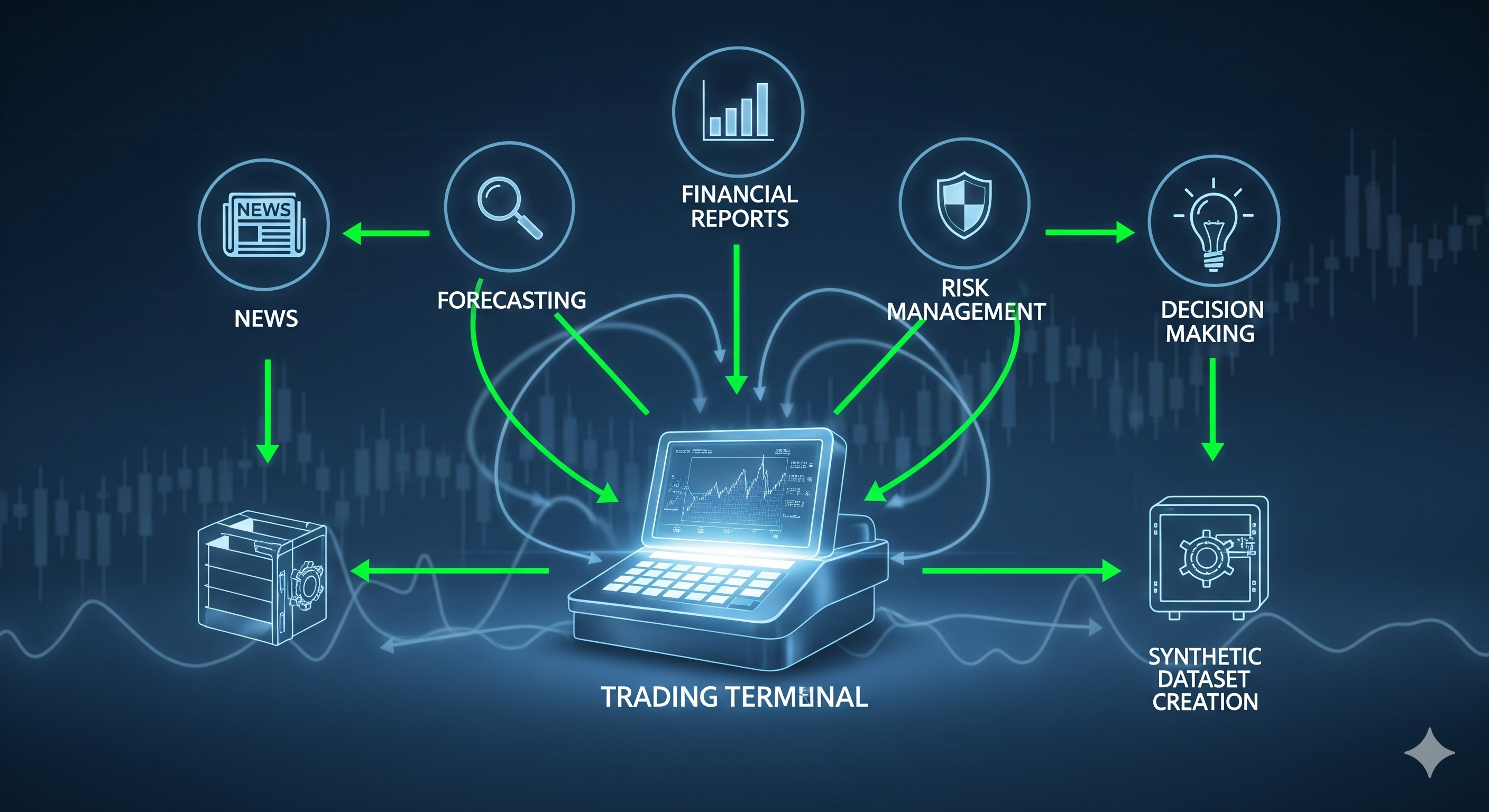
The Takeaway A new paper proposes TradingGroup, a five‑agent, self‑reflective trading team with a dynamic risk module and an automated data‑synthesis pipeline. In backtests on five US stocks, the framework beats rule‑based, ML, RL, and prior LLM agents. The differentiator isn’t a fancier model; it’s the workflow design: agents learn from their own trajectories, and the system continuously distills those trajectories into fine‑tuning data. What’s actually new here? Most “LLM trader” projects look similar: sentiment, fundamentals, a forecaster, and a decider. TradingGroup’s edge comes from three design choices: ...

August 26, 2025 · 5 min · Zelina