Cover image

Eyes Wide Compute: Why Physical AI Needs Better Senses, Not Bigger Models

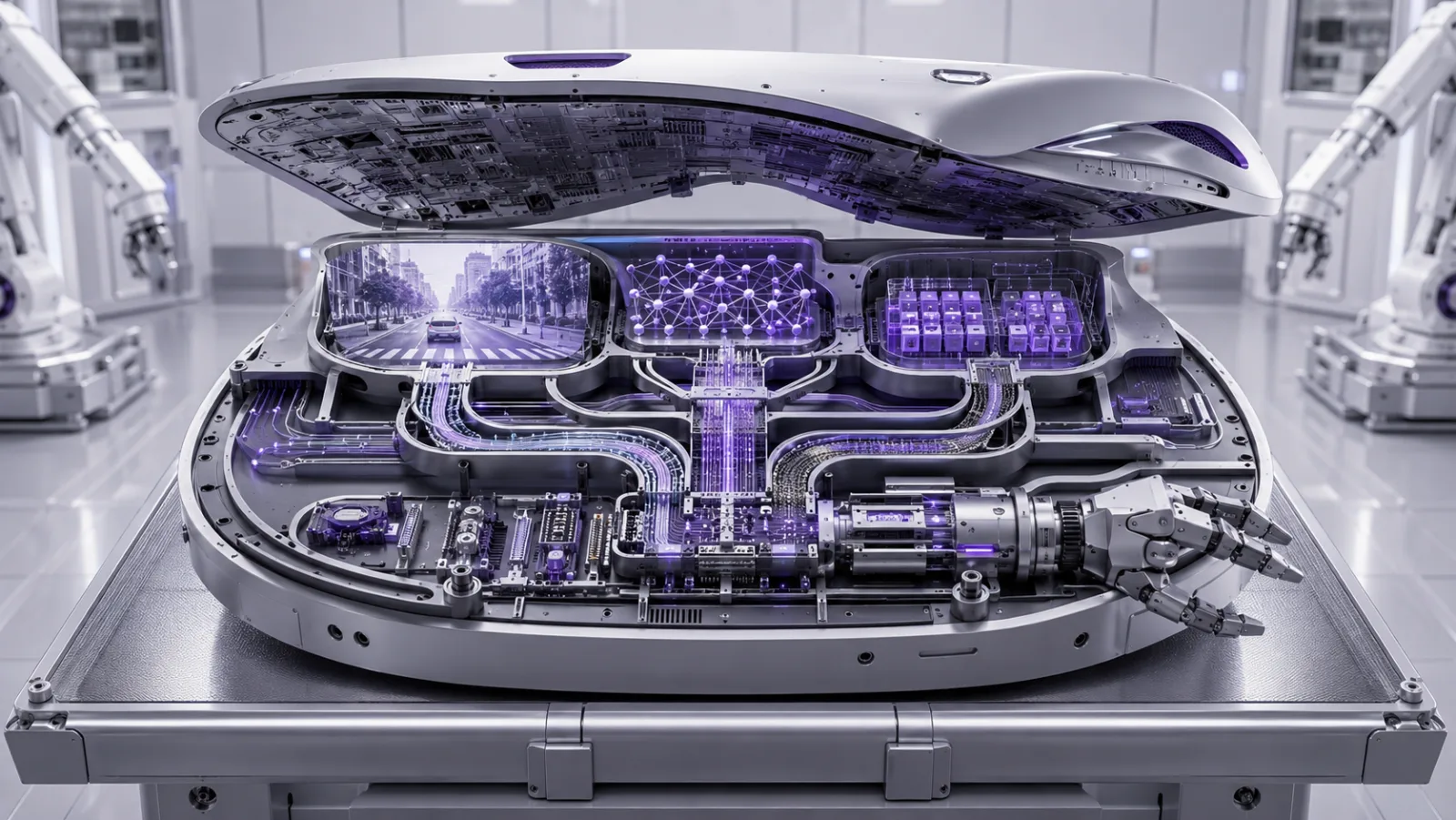
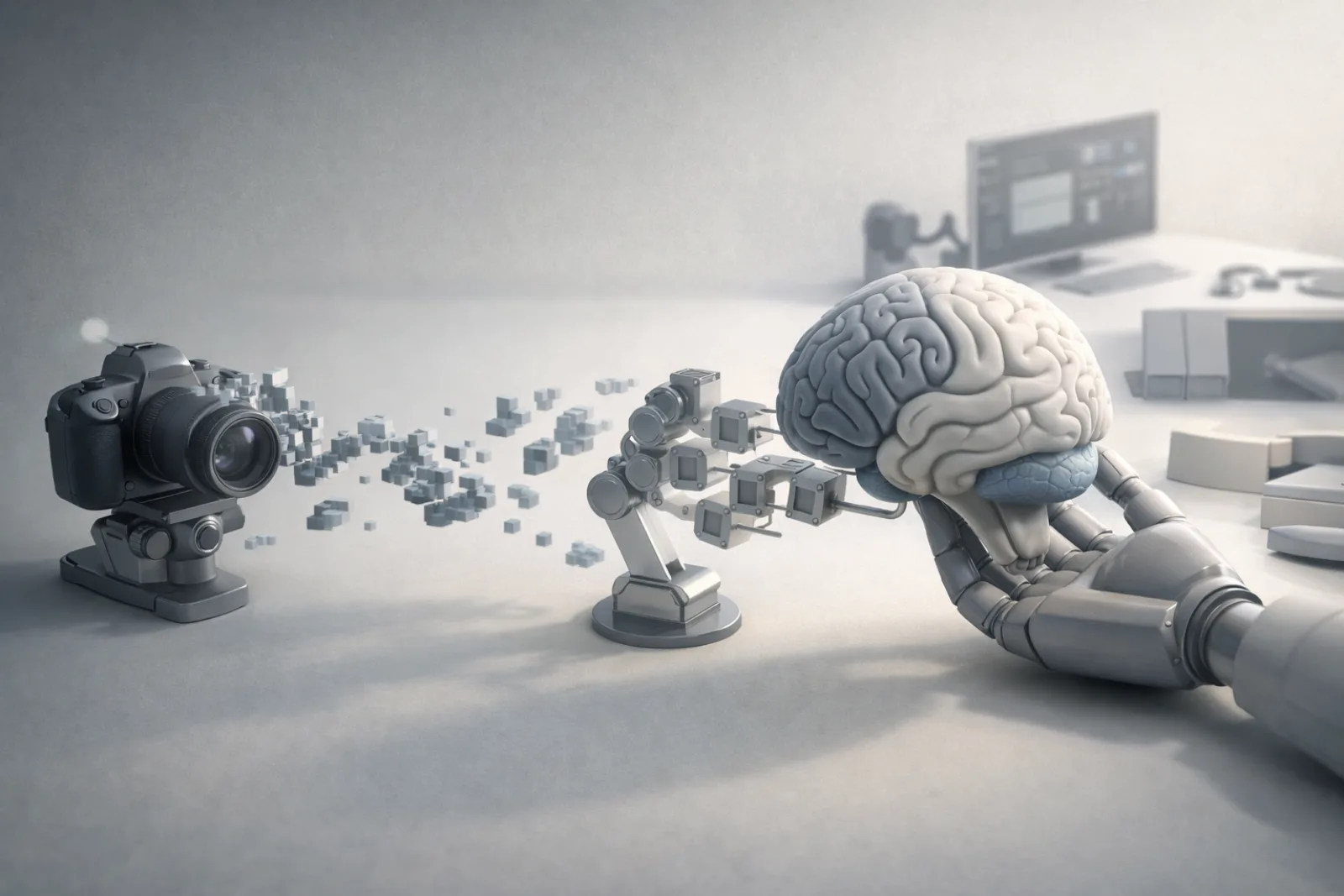
Camera first. Model second. That is not how most AI roadmaps are written. The usual enterprise recipe is tidier: pick a bigger model, add a cloud endpoint, compress something if the bill becomes embarrassing, then declare the system “edge-ready.” This works tolerably well when the input is a clean document, a database row, or an already-captured image. It works less well when the input is a moving camera in a dark warehouse, a microphone beside a noisy motor, a tactile pad on a robot gripper, or smart glasses trying to understand the world before the battery starts writing its resignation letter. ...

April 16, 2026 · 18 min · Zelina
Cover image

Scaling Smarter, Not Larger: Why Your AI Dataset Is Probably Wasting Money

The expensive habit of feeding the machine Data teams have a familiar ritual. The model disappoints. Someone asks for more data. Another person asks for cleaner data. A third person, usually with a spreadsheet and a suspiciously calm face, asks whether the extra labeling budget is approved. Then the pipeline expands. More driving clips. More corner cases. More annotated scenes. More storage. More training runs. More dashboards explaining why the latest model is still not quite where it should be. ...

April 12, 2026 · 17 min · Zelina
Cover image

ODEs Without the Drama: How FPGAs Finally Make Physical AI Practical at the Edge

Battery. It is a wonderfully effective way to end an argument about elegant algorithms. A wearable device may benefit from learning how its surrounding physical system changes over time. It may even need an interpretable equation rather than another black-box prediction. But if one model update consumes more energy than the device stores, theoretical elegance becomes a rather expensive form of decoration. ...

January 4, 2026 · 17 min · Zelina
Cover image

Prompt-to-Parts: When Language Learns to Build

The compiler is the interesting part Blocks are easy to understand. That is why this paper is more interesting than it first looks. At the surface, Prompt-to-Parts: Generative AI for Physical Assembly and Scalable Instructions is a paper about using large language models to generate LEGO-style assemblies from natural language prompts.1 It shows a medieval castle, an International Space Station model, a modular multitool kit, and an image-to-parts helicopter conversion. Naturally, the tempting summary is: “LLMs can now design LEGO models.” ...

December 20, 2025 · 16 min · Zelina
Cover image

When Videos Grow Hands: How PhysWorld Teaches Robots to Stop Hallucinating Physics

Robots are not impressed by nice videos. A generated clip can show a hand placing a book into a shelf, pouring tomatoes from a pan, or sweeping scraps into a dustpan. It can look coherent enough to fool a casual viewer and perhaps even a product demo audience, which is not exactly the highest bar in technology. But a robot does not execute “looks coherent.” It executes poses, contacts, forces, trajectories, collisions, and failures. ...

November 16, 2025 · 16 min · Zelina
Cover image

Bodies Do the Thinking: Why Physical AI Changes the Intelligence Game

A robot helping a patient stand is not solving a benchmark. It is sharing weight, sensing resistance, absorbing surprise, and deciding how much force is too much. That last phrase is where most AI language starts to get suspiciously cloudy. “Deciding” sounds like a software problem. In physical systems, it is also a stiffness problem, a damping problem, an energy problem, and occasionally a liability problem wearing hospital slippers. ...

November 13, 2025 · 19 min · Zelina