Cover image

Blunders, Patterns, and Predictability: What n‑Gram Models Teach Us About Human Chess

Chess engines are very good at telling you what a player should do. That is not the same as predicting what the player will do. Anyone who has watched a beginner hang a queen, an intermediate player force a dubious attack, or a strong player choose a quiet positional squeeze already knows the difference. Optimality is one question. Human behavior is another. Most AI systems enjoy pretending those two questions are basically cousins. They are not. One is about the board. The other is about the person touching the pieces. ...

December 2, 2025 · 16 min · Zelina
Cover image

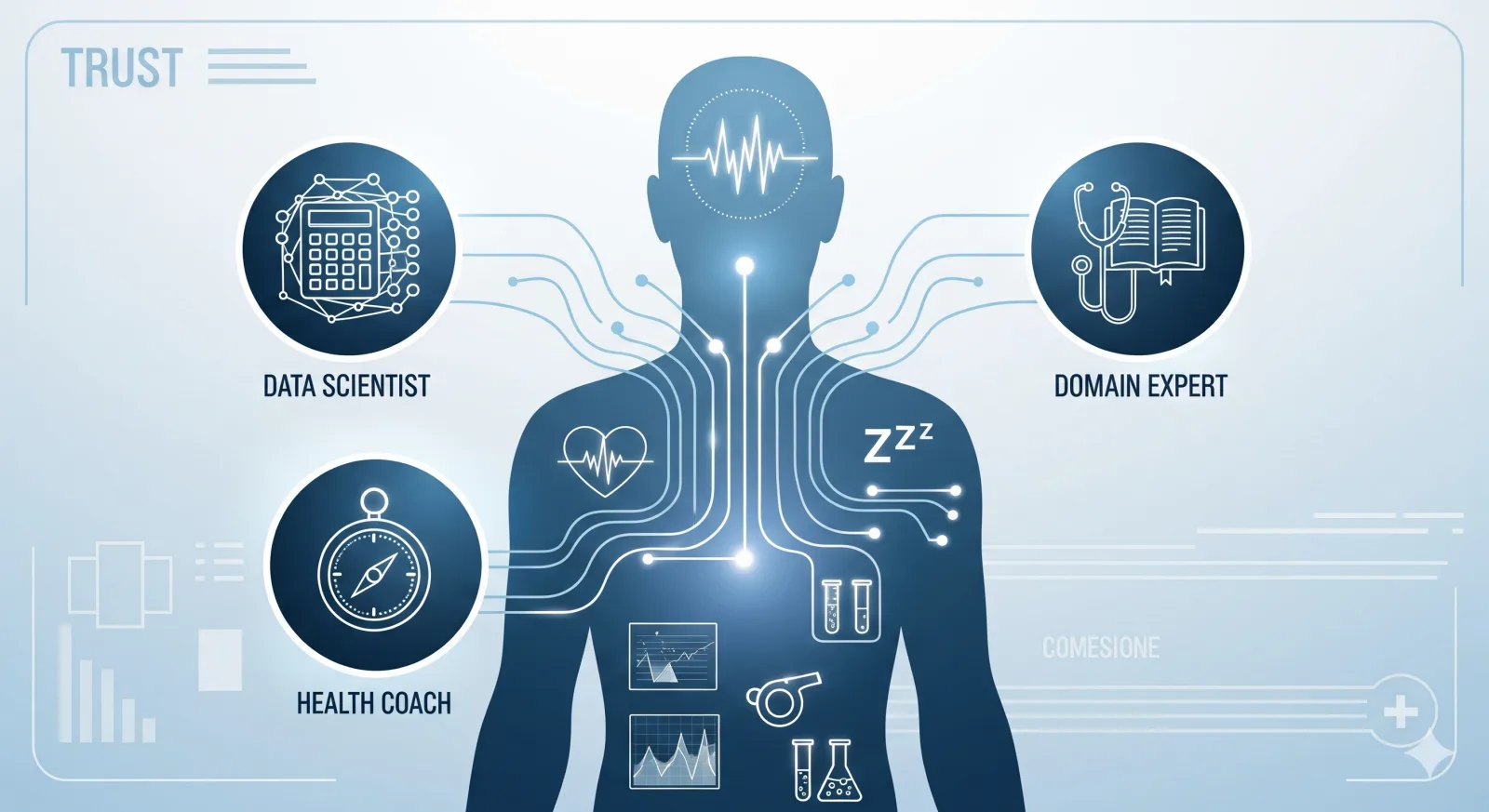
Vitals, Not Vibes: Inside the New Anatomy of Personal Health Agents

TL;DR for operators Personal health AI is usually sold as a friendly chatbot with a fitness tracker bolted on. This paper argues for something more awkward, more expensive, and much more plausible: a coordinated system of specialised agents. One agent analyses longitudinal wearable and health-record data. One grounds advice in health knowledge and user context. One handles coaching, goal-setting, and behaviour change. An orchestrator decides who should act, who should support, what should be remembered, and how the final answer should be assembled.1 ...

August 31, 2025 · 15 min · Zelina