Cover image

SAGA, Not Sci‑Fi: When LLMs Start Doing Science

Science usually fails in a boring way. Not with explosions. Not with a robot dramatically discovering penicillin 2.0 while violins swell in the background. More often, a research workflow fails because somebody optimized the wrong thing a little too efficiently. A molecule scores well but is chemically ugly. A nanobody looks good under one predictor but fails to bind. A DNA enhancer activates the target cell line but also lights up the wrong tissue. A separation process reaches high purity by adding pointless unit operations, because the reward function forgot to punish industrial nonsense. The optimizer did its job. Unfortunately, the job description was incomplete. ...

December 29, 2025 · 16 min · Zelina
Cover image

Traffic, but Make It Agentic: When Simulators Learn to Think

Traffic. A planner wants to test whether a new signal policy will reduce congestion near a hospital. A logistics operator wants to know whether a revised delivery schedule will overload a district during the evening peak. A city team wants to compare two neighborhoods, two time windows, and two control strategies before anyone touches asphalt, paint, or public patience. ...

December 25, 2025 · 18 min · Zelina
Cover image

Greedy Enough to Win: When Loss Starts Driving the Learning Rate

Training runs rarely fail with cinematic drama. They do not burst into flames. They simply become expensive, slow, and faintly embarrassing. A fine-tuning job starts with promise, the loss descends, then progress flattens. Another run behaves well for 200 steps, then becomes jumpy after a data shard changes. A third run is rescued by lowering the learning rate, except nobody knows whether the rescue came too early, too late, or by accident. Eventually, the team does what teams do: try cosine decay again, because at least cosine looks mathematically respectable while doing whatever it was going to do anyway. ...

December 17, 2025 · 16 min · Zelina
Cover image

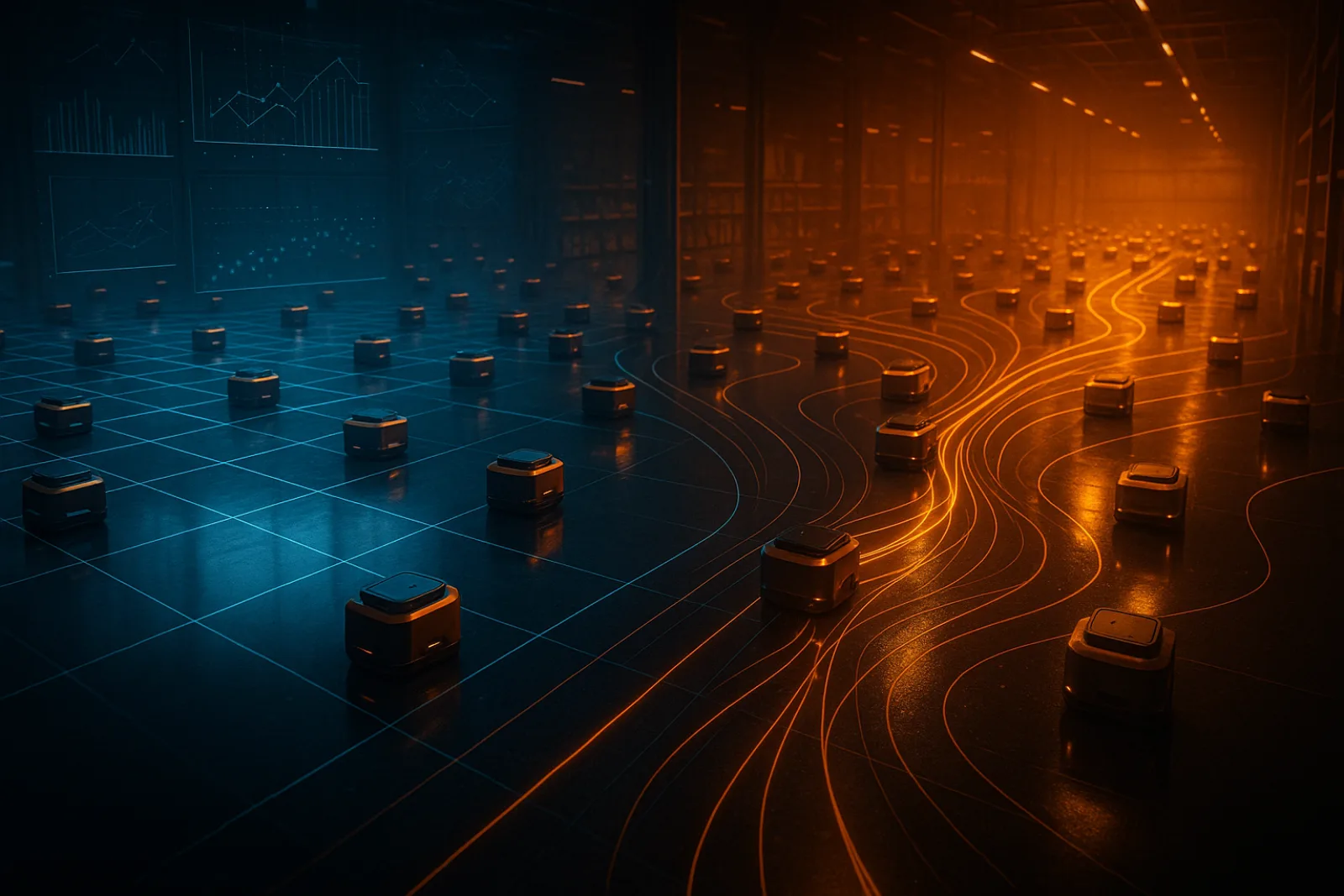
Path of Least Resistance: Why Realistic Constraints Break MAPF Optimism

Robots do not move through warehouses as clean little dots on a grid. They rotate. They accelerate. They wait behind other robots. They lose time in corners. They obey controllers, not PowerPoint arrows. This is the small operational fact that makes a large amount of path-planning optimism look slightly overdressed. Multi-Agent Path Finding, or MAPF, usually asks a neat question: given many agents, each with a start and goal location, can we find collision-free paths for all of them? In the standard version, the world is a graph, time advances in discrete steps, and each robot either moves to a neighboring vertex or waits. It is elegant, measurable, and algorithmically productive. It is also not how a differential-drive robot actually behaves when squeezed through a congested warehouse aisle. ...

December 11, 2025 · 15 min · Zelina
Cover image

Watch This Space: How Two Simple Heuristics Outsmarted a Whole SAT Solver

A solver can lose time in a very boring place: deciding which internal bookkeeping trick to use. That sounds too small to matter. Business people usually expect optimization performance to come from grand architecture, better mathematical modeling, expensive hardware, or some heroic AI layer sprinkled on top. Researchers know better, though not always loudly enough. Sometimes the expensive part is not the model. It is the tiny repeated decision made millions of times while the solver tries to keep the model logically alive. ...

November 28, 2025 · 14 min · Zelina
Cover image

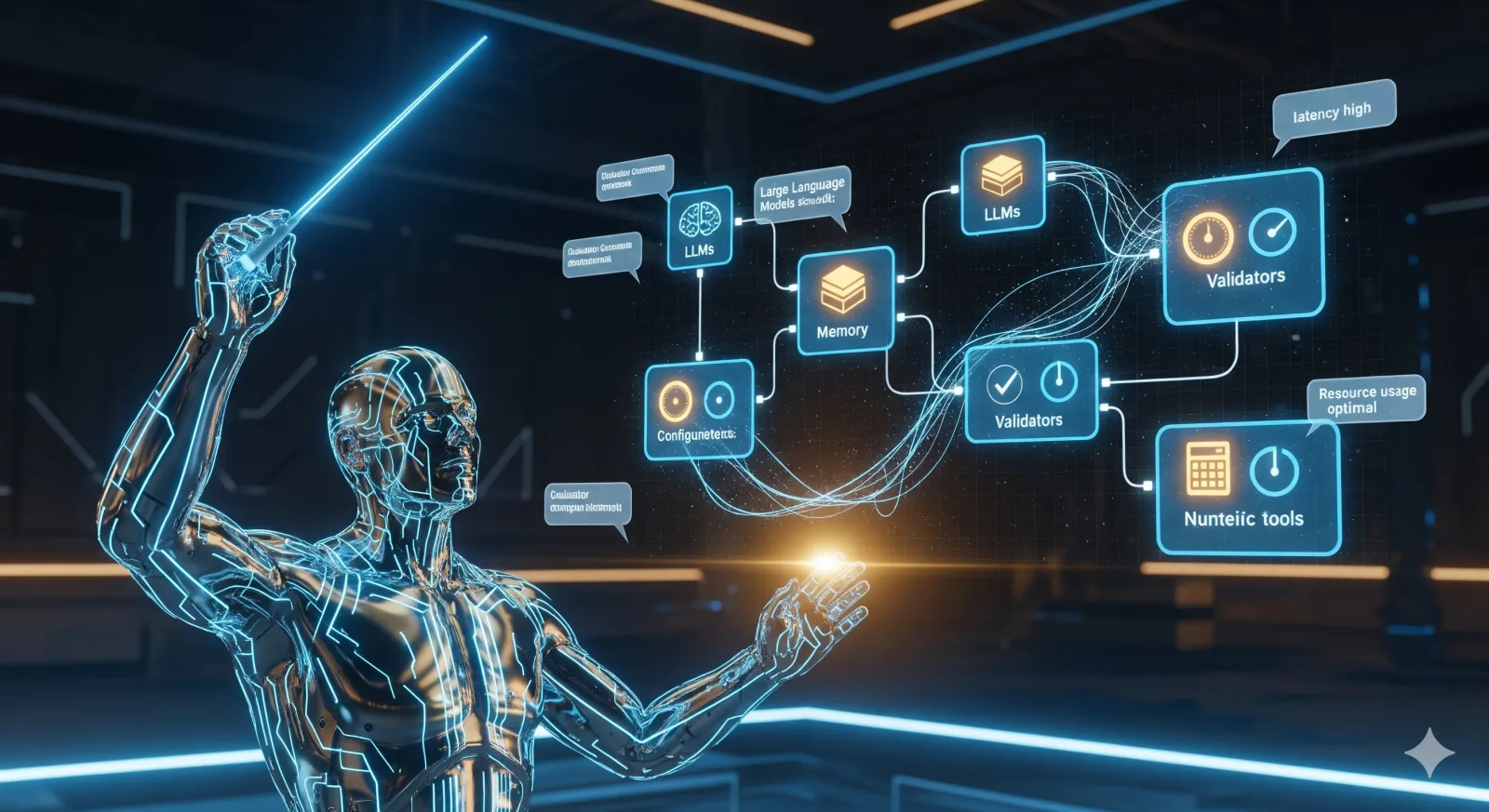
Graph and Circumstance: Maestro Conducts Reliable AI Agents

A broken AI agent often looks deceptively close to working. It answers most questions. It calls the right tool sometimes. It follows the instruction until the conversation gets long, the retrieval query gets vague, or the arithmetic becomes just difficult enough for the model to start doing spreadsheet theatre. The usual repair is prompt editing. Add a stern sentence. Add a role. Add an example. Add “think step by step,” because apparently the machine needed a motivational poster. ...

September 11, 2025 · 15 min · Zelina
Cover image

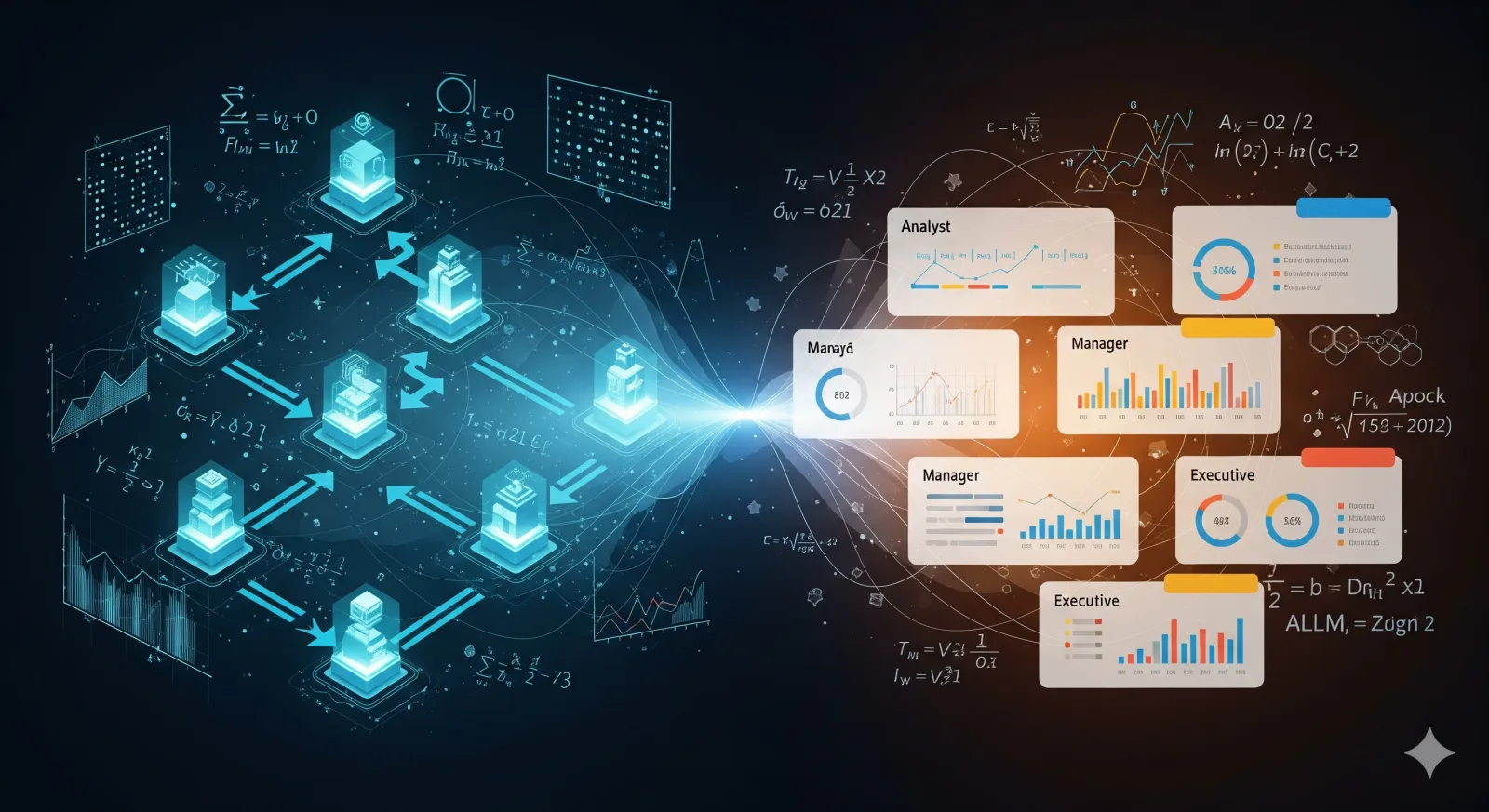
Brains Meet Brains: When LLMs Sit on Top of Supply Chain Optimizers

TL;DR for operators The paper is useful because it gets the hierarchy right: the optimizer decides; the LLM explains, configures, contextualizes, and packages the decision for humans.1 That is not a small distinction. It is the difference between a supply chain system that can be audited and a chatbot confidently waving at a warehouse. ...

September 1, 2025 · 17 min · Zelina
Cover image

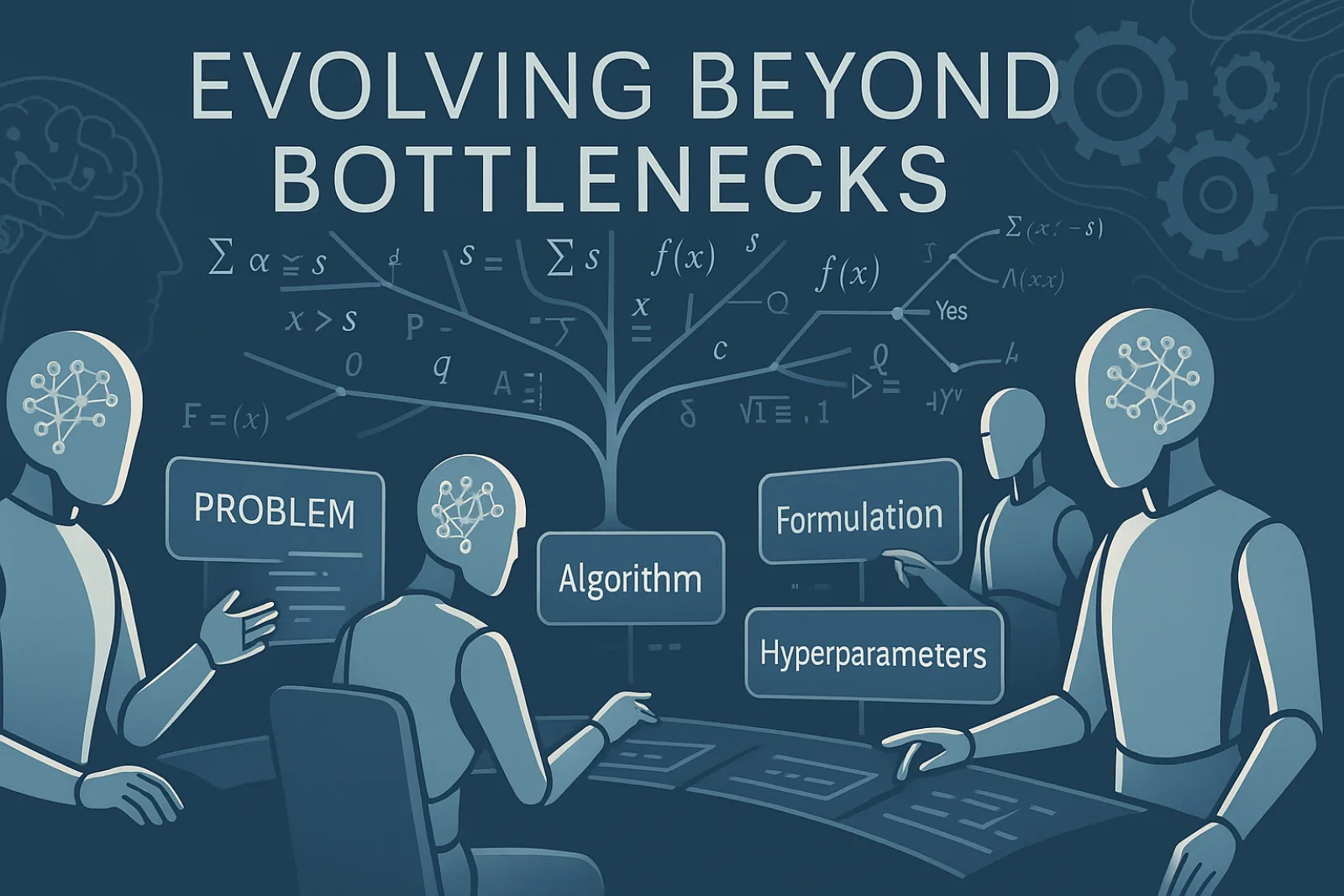
Evolving Beyond Bottlenecks: How Agentic Workflows Revolutionize Optimization

TL;DR for operators Optimization work usually looks technical from the outside: equations, solvers, constraints, tolerances, and someone quietly muttering about convergence. Inside the business, the real bottleneck is often less glamorous. Someone has to decide what the problem actually is, how to formulate it, which algorithm to try, which hyperparameters to tune, and whether the resulting answer is useful or merely mathematically decorative. ...

May 8, 2025 · 15 min · Zelina