
Cover image

Edge of Reason: Orchestrating LLMs Without a Conductor

TL;DR Most multi‑agent LLM frameworks still rely on a central organizer that becomes expensive, rigid, and a single point of failure. Symphony proposes a fully decentralized runtime—a capability ledger, a beacon‑based selection protocol, and weighted Chain‑of‑Thought (CoT) voting—to coordinate lightweight 7B‑class models on consumer GPUs. In benchmarks (BBH, AMC), Symphony outperforms centralized baselines like AutoGen and CrewAI, narrowing the gap across model quality and adding fault tolerance with ~negligible orchestration overhead. ...
August 30, 2025 · 5 min · Zelina
Cover image

Mirror, Signal, Trade: How Self‑Reflective Agent Teams Outperform in Backtests

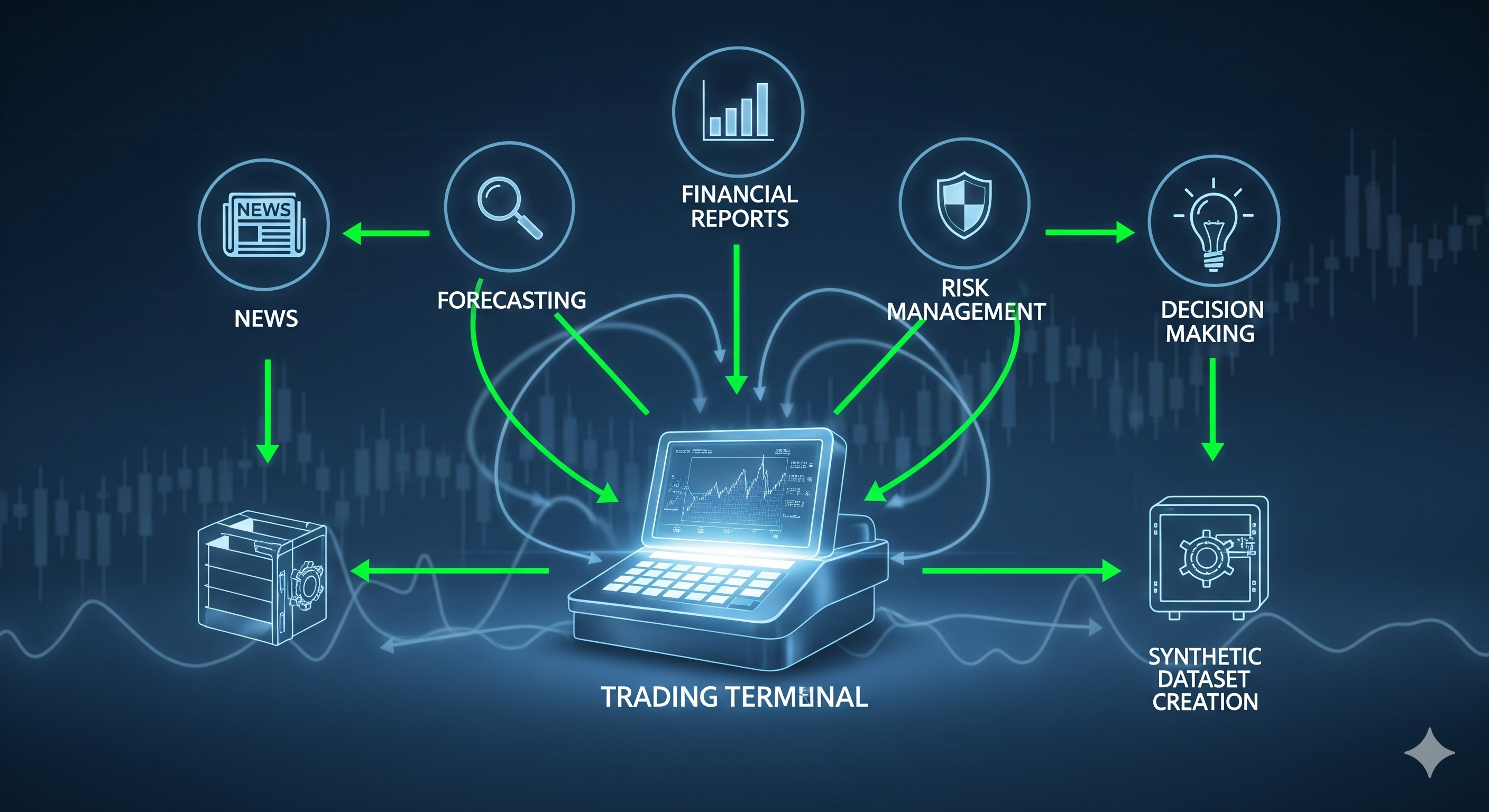
The Takeaway A new paper proposes TradingGroup, a five‑agent, self‑reflective trading team with a dynamic risk module and an automated data‑synthesis pipeline. In backtests on five US stocks, the framework beats rule‑based, ML, RL, and prior LLM agents. The differentiator isn’t a fancier model; it’s the workflow design: agents learn from their own trajectories, and the system continuously distills those trajectories into fine‑tuning data. What’s actually new here? Most “LLM trader” projects look similar: sentiment, fundamentals, a forecaster, and a decider. TradingGroup’s edge comes from three design choices: ...

August 26, 2025 · 5 min · Zelina
Cover image

Stackelbergs & Stakeholders: Turning Bits into Boardroom Moves

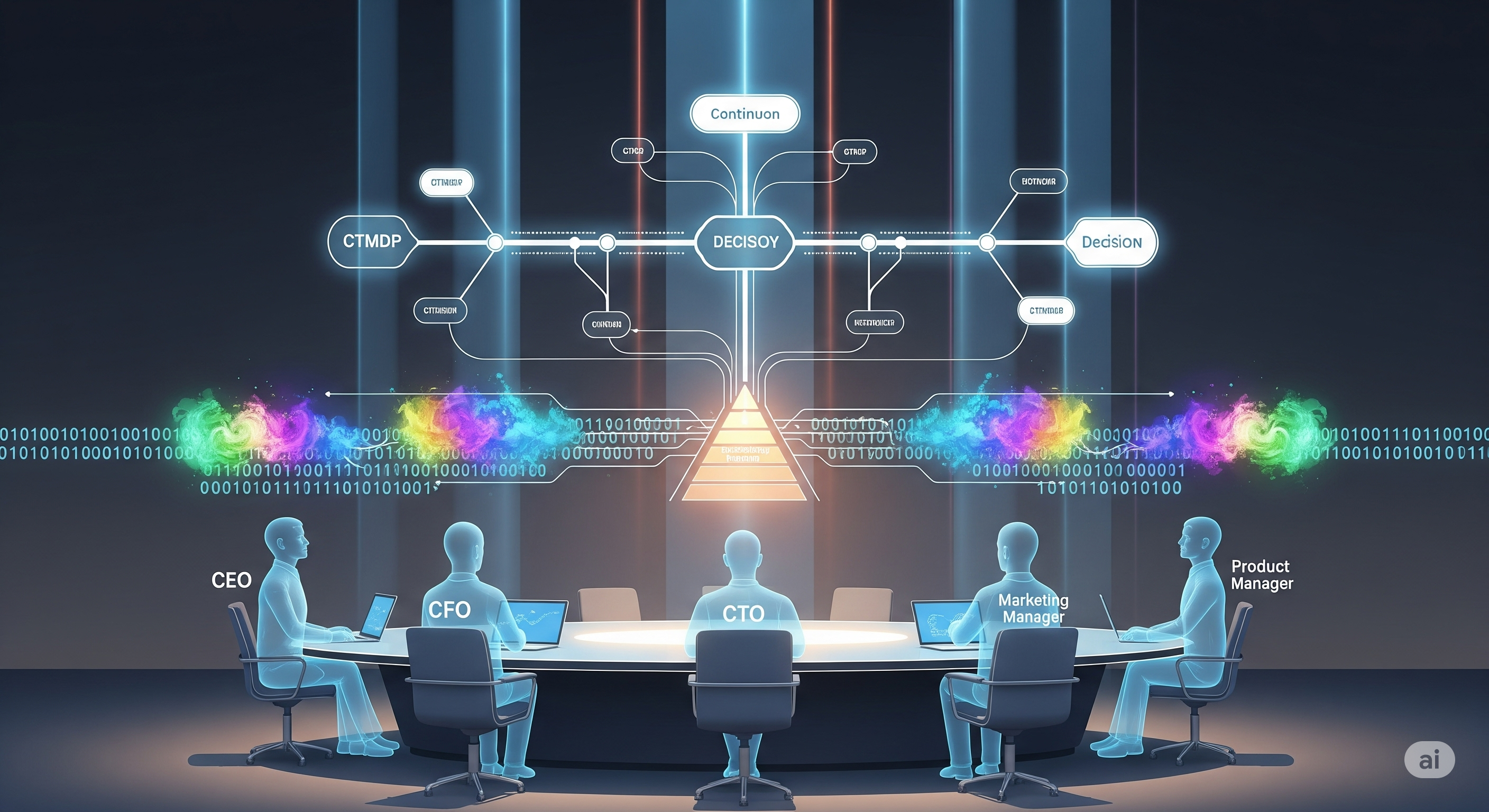
TL;DR: BusiAgent proposes a client‑centric, multi‑agent LLM framework that formalizes roles (CEO/CFO/CTO/MM/PM) with an extended Continuous‑Time MDP, coordinates them via entropy‑guided brainstorming (peer‑level) and multi‑level Stackelberg games (vertical), and squeezes extra performance from contextual Thompson sampling for prompt optimization—wrapped in a QA stack that fuses STM/LTM memories with a knowledge base. It’s a serious attempt to connect granular analytics to boardroom decisions. The big win is organizational alignment; the big risks are evaluation rigor, token economics, and ops reliability at scale. ...

August 24, 2025 · 5 min · Zelina
Cover image

IRB, API, and a PI: When Agents Run the Lab

Virtuous Machines: Towards Artificial General Science reports something deceptively simple: an agentic AI designed three psychology studies, recruited and ran 288 human participants online, built the analysis code, and generated full manuscripts—end‑to‑end. Average system runtime per study: ~17 hours (compute time, excluding data collection). The paper frames this as a step toward “artificial general science.” The more immediate story for business leaders: a new production function for knowledge work—one that shifts the bottleneck from human hours to orchestration quality, governance, and data rights. ...

August 20, 2025 · 5 min · Zelina