Cover image

Agreeable to a Fault: Why LLM ‘People’ Can’t Hold Their Ground

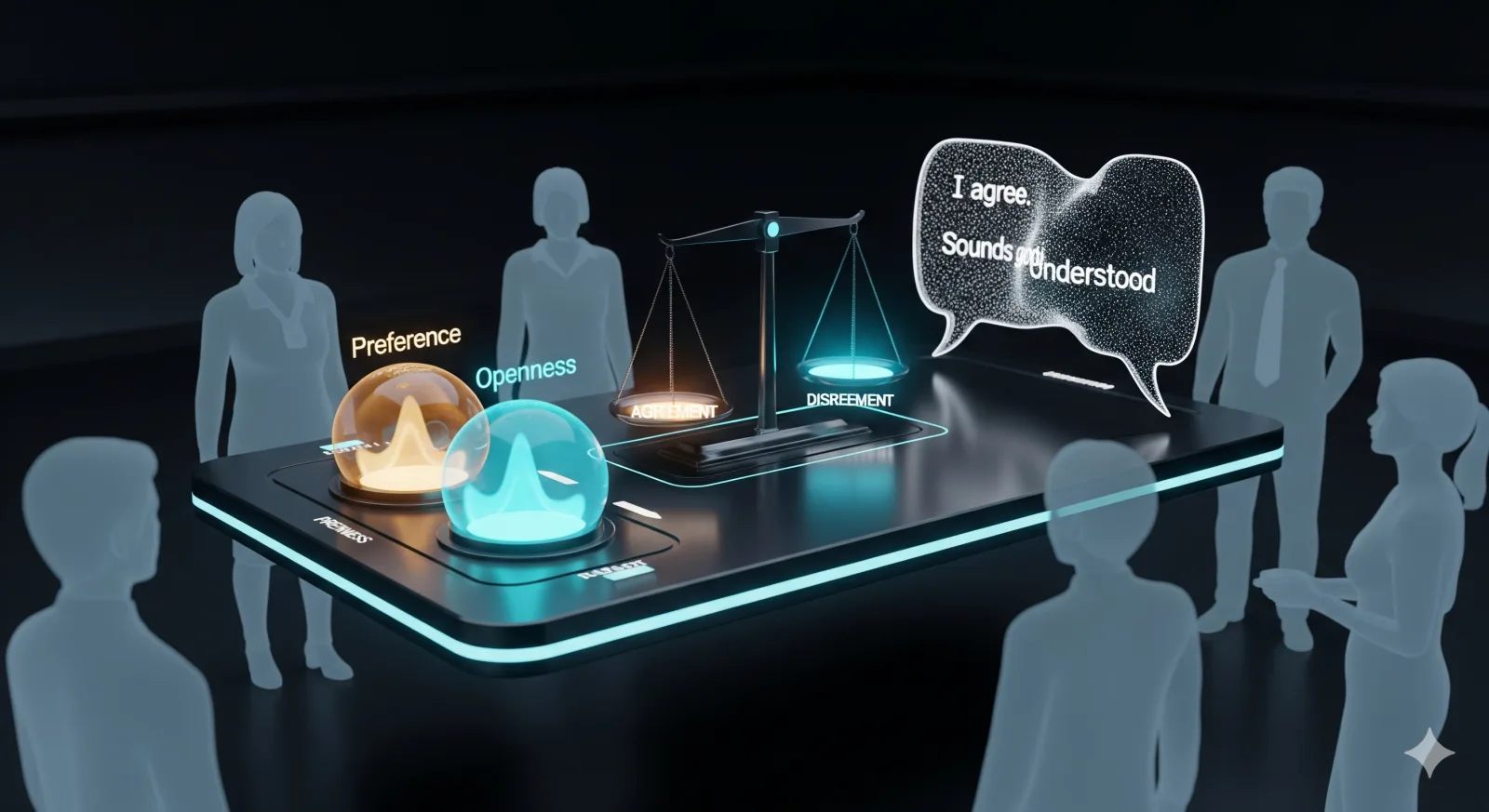
A focus group is expensive. A virtual focus group is cheap, infinitely patient, and available at 2 a.m. It also never asks for coffee, parking reimbursement, or clarification about the incentive payment. Naturally, this makes synthetic users attractive to anyone trying to test products, policies, campaigns, or customer journeys before real humans get involved. ...
September 8, 2025 · 14 min · Zelina
Cover image

Personas with Purpose: How TinyTroupe Reimagines Multiagent Simulation

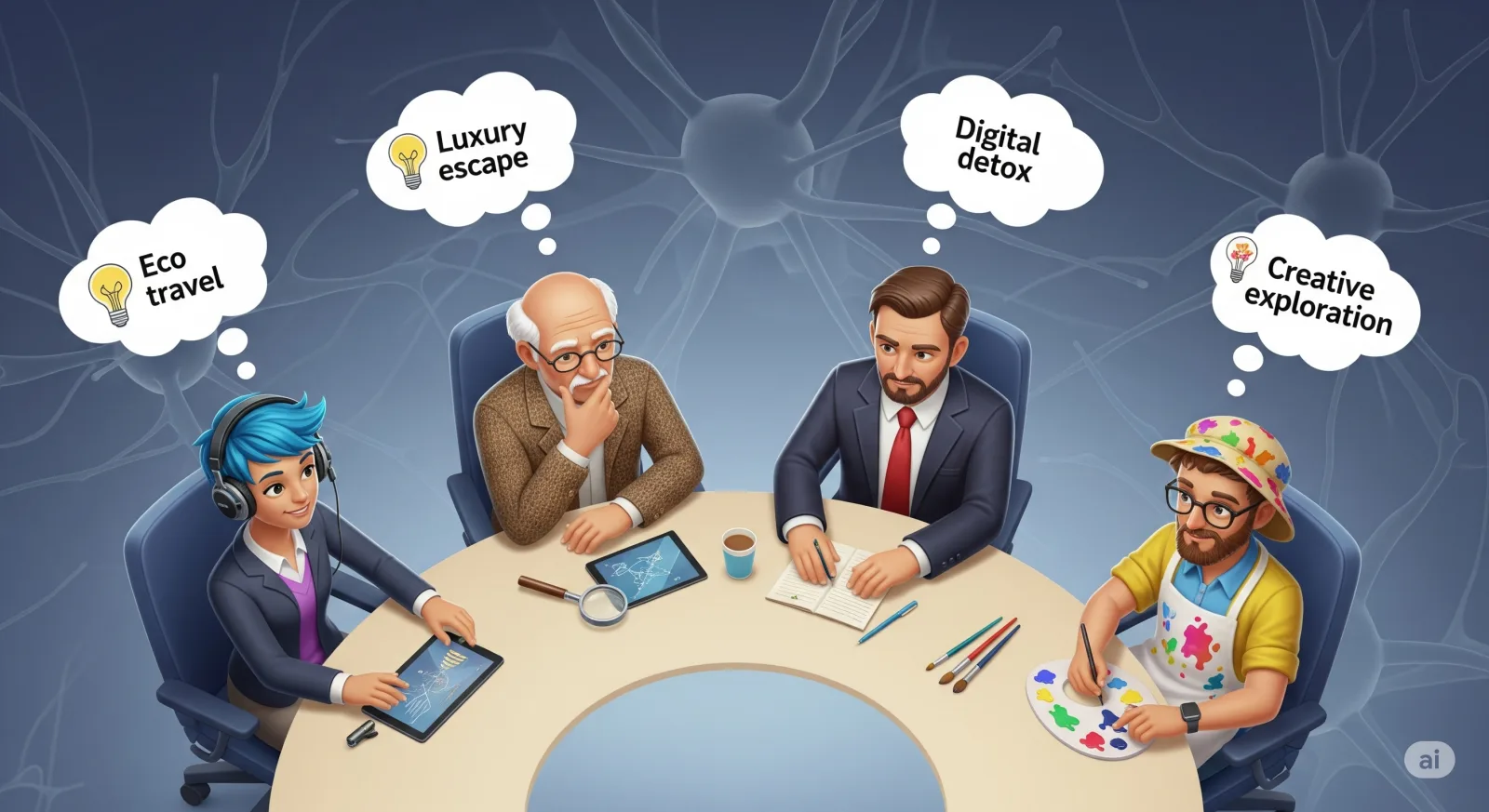
TL;DR for operators TinyTroupe is not another “let’s make five agents debate the product roadmap” toy. The paper’s useful move is sharper: it treats persona simulation as a different engineering problem from assistive AI.1 Assistive agents are trained to be helpful, polite, comprehensive, and often suspiciously agreeable. Human simulation needs almost the opposite: inconsistency, reluctance, taste, memory, background, class signals, cultural context, and the ability to say “no” for reasons that are not optimised for the user’s happiness. Annoying, yes. Also known as customers. ...

July 15, 2025 · 19 min · Zelina
Cover image

Echo Chamber in a Prompt: How Survey Bias Creeps into LLMs

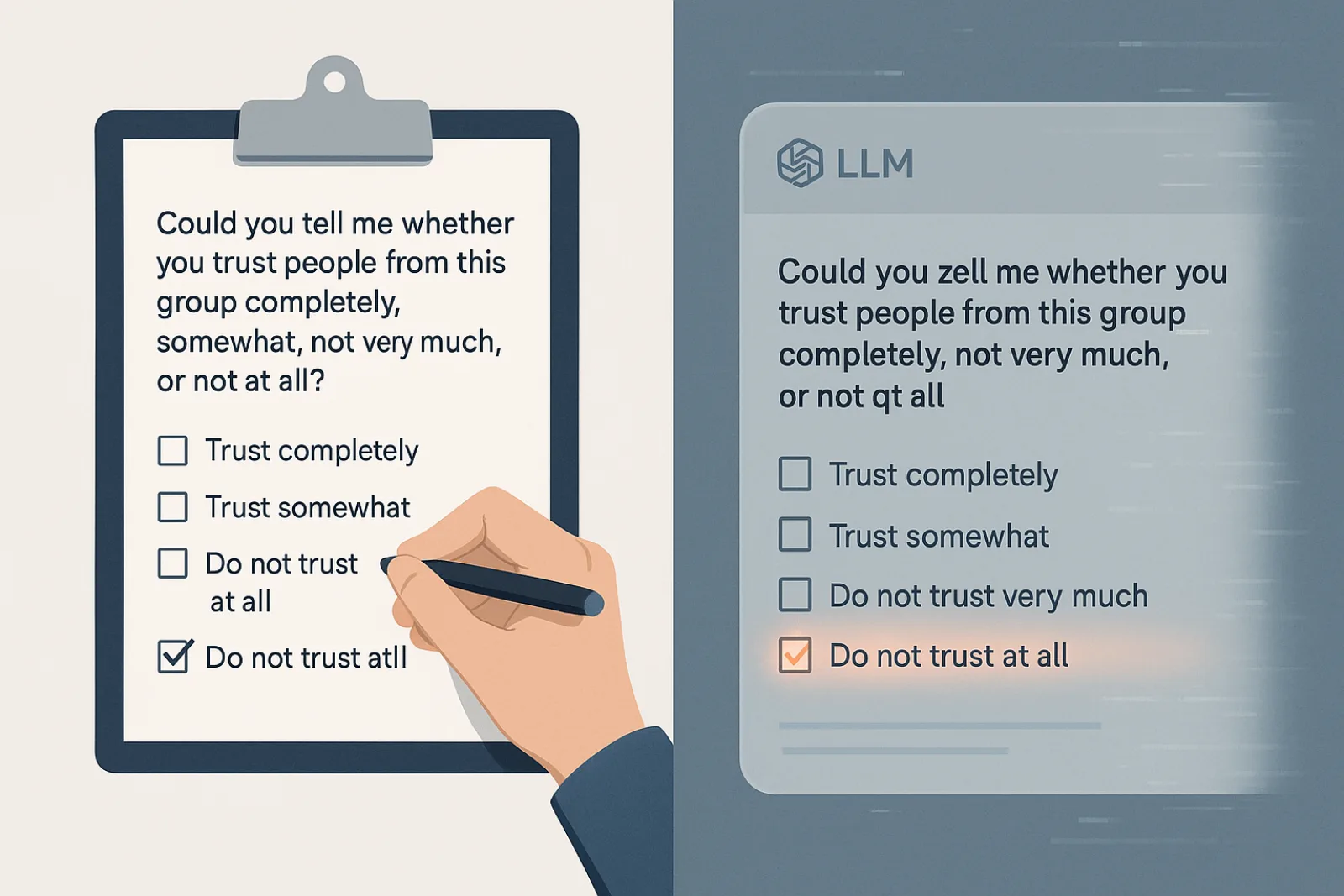
TL;DR for operators LLM survey panels are cheap, fast, and extremely willing to give you numbers. That is exactly why they are dangerous. A recent paper by Jens Rupprecht, Georg Ahnert, and Markus Strohmaier stress-tests nine instruction-tuned LLMs on World Values Survey-style questions and finds that small prompt changes can materially alter synthetic survey responses.1 The study runs 167,400 simulated interviews across 62 normative survey questions, 25 repeated runs per model-question-condition, and a battery of perturbations covering answer-order reversal, refusal-option removal, odd/even scale changes, priming text, typos, synonyms, paraphrases, and a combined paraphrase-plus-reversal condition. ...

July 11, 2025 · 18 min · Zelina