Cover image

Synthetic and Sensibility: Why More Data Needs a Control Stack

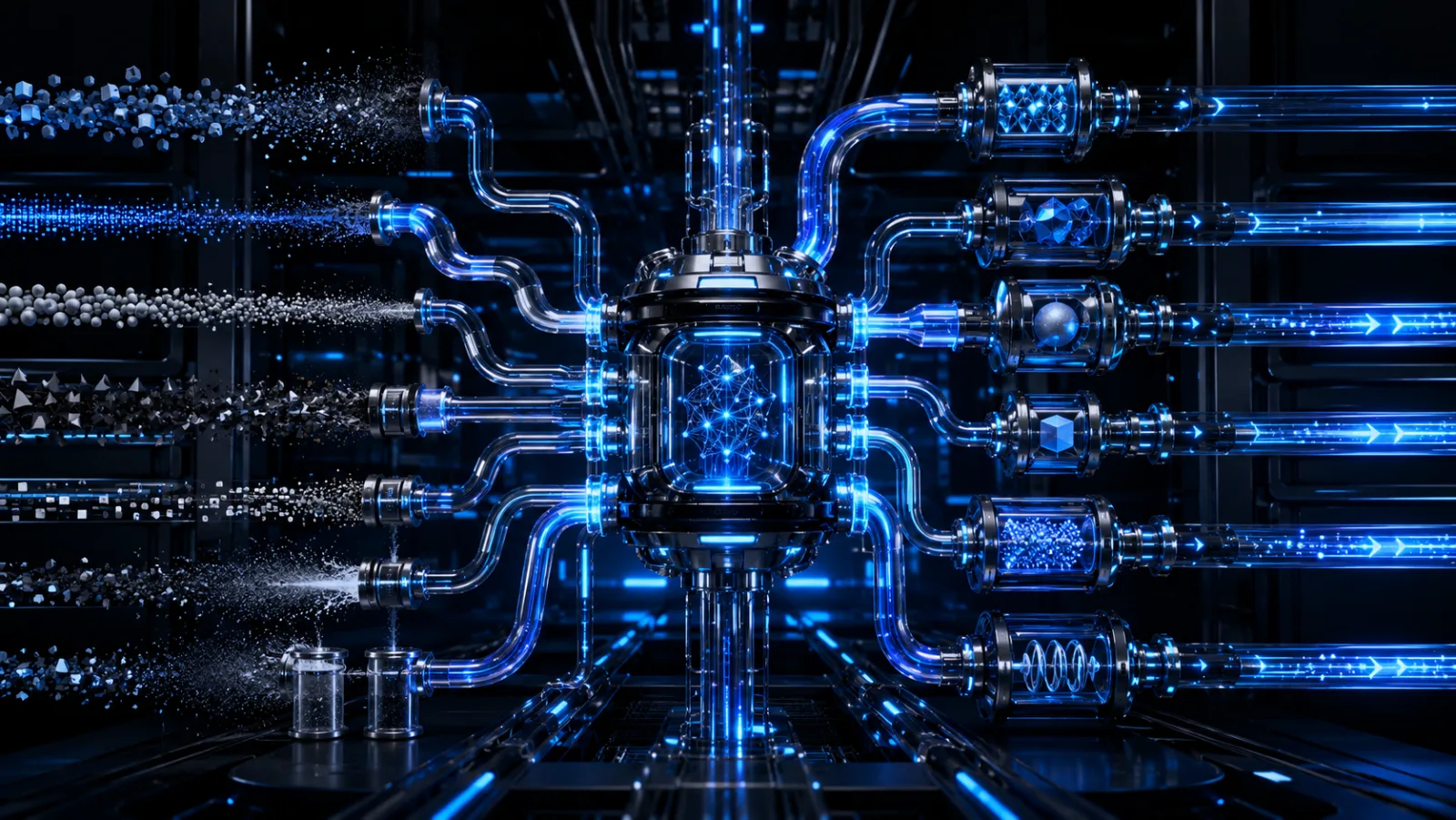
Synthetic and Sensibility: Why More Data Needs a Control Stack Synthetic data has become the convenient answer to almost every uncomfortable AI training question. Need more reasoning traces? Generate them. Need domain examples? Generate them. Need privacy-preserving replacements for customer data? Generate them. Need a dataset that looks suspiciously like a benchmark but not too suspiciously like a benchmark? Generate it, then call it “curriculum design.” ...

June 3, 2026 · 17 min · Zelina
Cover image

AdamW and the Cost of Being Reasonable: Choosing LLM Optimizers Without Leaderboard Theater

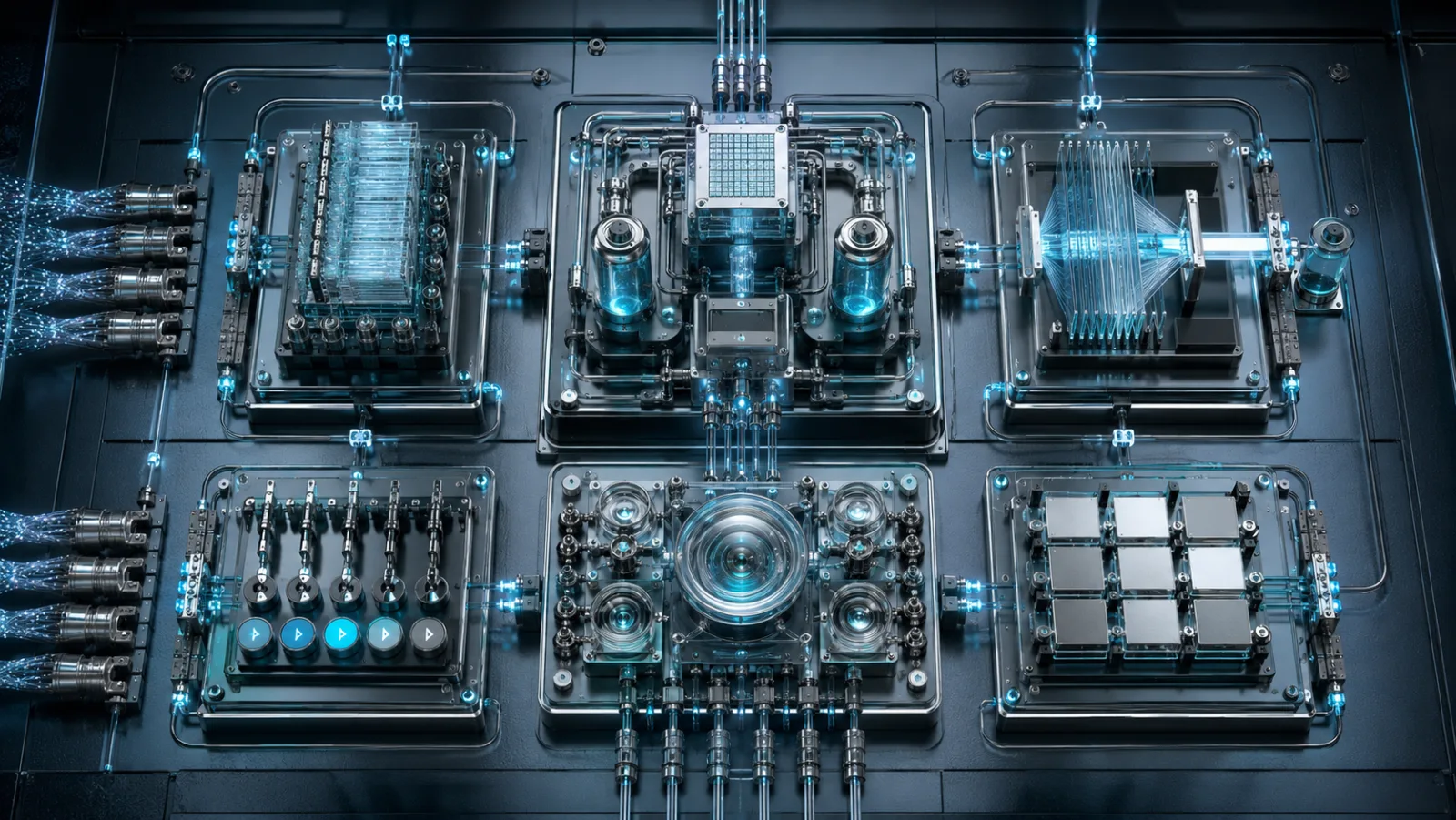
GPU memory is the part of AI strategy that does not care about adjectives. A team can say it is building a domain LLM, a private copilot, a long-context research assistant, or a fine-tuned enterprise model. The budget spreadsheet eventually asks a colder question: what actually fits on the available hardware? Model weights need memory. Gradients need memory. Activations need memory. Checkpoints need memory. And the optimizer — the quiet machinery that decides how parameters move during training — can require multiple additional copies of the model itself. ...

May 26, 2026 · 16 min · Zelina
Cover image

When Data Decides What Matters: The Quiet Economics of LLM Data Selection

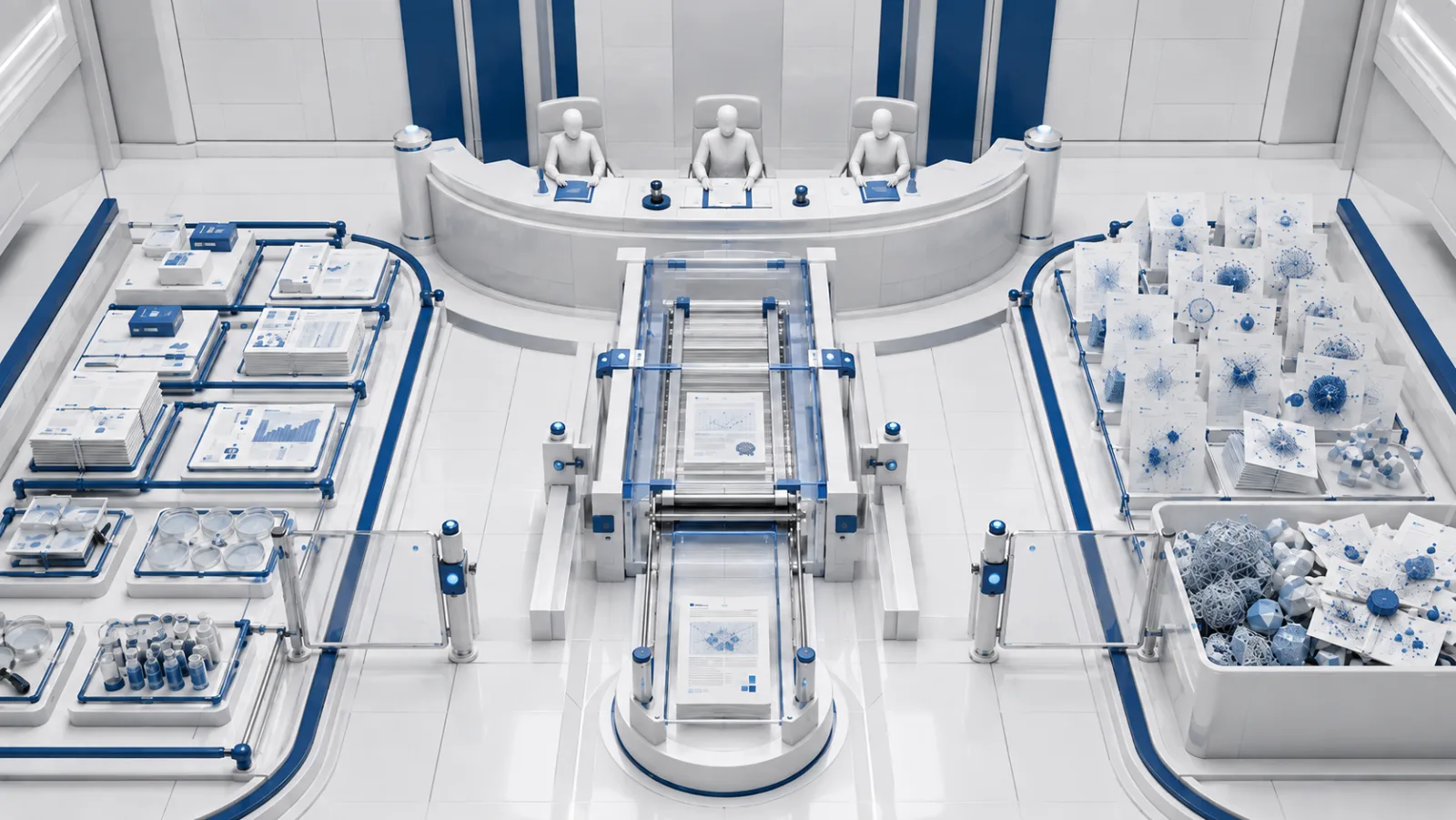
Budgets have a charming way of making AI strategy less philosophical. In the demo room, the question is usually whether a model can reason, code, summarize, plan, and sound pleasantly harmless while doing so. In the finance room, the question becomes simpler: how many tokens, how many GPUs, how many weeks, and why exactly are we paying to teach the model another version of the same web page? ...

April 8, 2026 · 15 min · Zelina
Cover image

When Right Meets Wrong: Teaching LLMs by Letting Their Mistakes Talk

Training a reasoning model is often treated like running a classroom with a very impatient teacher: give the model a problem, let it produce several answers, mark each answer right or wrong, and push the policy toward the winners. That is already useful. It is also slightly wasteful. Because in a real classroom, the wrong answers are not just trash to be swept off the floor. They reveal what the student misunderstood. They show which shortcuts are tempting, which algebra step keeps breaking, and which false pattern looks suspiciously persuasive. A good teacher does not only praise the correct solution. A good teacher puts the correct and incorrect attempts side by side and asks: what exactly changed? ...

March 16, 2026 · 16 min · Zelina
Cover image

Mirror, Mirror on the Agent: Teaching LLMs to Judge Their Own Actions

The agent did exactly what it was taught. That was the problem. A familiar business agent failure does not look dramatic. It looks boring. The agent searches the database, clicks the wrong record, receives an error, retries the same action, receives the same error, retries again, and then politely informs the user that it has encountered “temporary difficulty.” Very professional. Completely useless. ...

March 12, 2026 · 16 min · Zelina
Cover image

ReSyn & the Rise of the Verifier: When Solving Is Hard but Checking Is Easy

ReSyn & the Rise of the Verifier: When Solving Is Hard but Checking Is Easy Checking is the underrated job in every serious operation. A logistics manager may not instantly know the optimal route for a hundred deliveries, but she can quickly reject a route that violates vehicle capacity, time windows, or geography. A compliance officer may not draft the perfect contract clause, but he can often identify whether a clause violates a rule. A finance team may not generate the ideal capital allocation plan on first attempt, but it can test whether a proposed plan breaks liquidity, exposure, or leverage constraints. ...

February 24, 2026 · 19 min · Zelina
Cover image

From Static Models to Living Systems: When AI Stops Predicting and Starts Adapting

Training data used to be treated like warehouse inventory: collect enough of it, clean the worst parts, stack it neatly, and feed it to the model. That worked well enough when the main question was scale. More tokens, more compute, more parameters, more dashboards announcing progress with the confidence of a quarterly sales deck. But production AI is beginning to run into a less convenient truth: data is not only an input. It is an allocation decision. ...

February 21, 2026 · 14 min · Zelina
Cover image

Breaking Things on Purpose: How CLI-Gym Teaches AI to Fix the Real World

Broken environments are where coding agents stop looking magical. A model can write a neat Python function, patch a repository, and explain the bug with courtroom confidence. Then it enters a terminal, meets a missing shared library, a corrupted dependency, a bad environment variable, or a filesystem permission issue, and suddenly the “autonomous engineer” starts behaving like an intern trapped inside conda. Not a bad intern, perhaps. Just one who keeps running the same command and hoping Linux will become more emotionally cooperative. ...

February 13, 2026 · 15 min · Zelina
Cover image

Agents Need Worlds, Not Prompts: Inside ScaleEnv’s Synthetic Environment Revolution

Workflow automation has a bad habit of looking impressive right up to the moment it touches reality. A demo agent can summarize a refund policy, draft a polite message, and call a refund_order() tool with great confidence. Then the real workflow asks a boring question: does this order exist, is it within the refund window, has it already been refunded, does the customer’s loyalty tier matter, and should the database state change after approval? ...

February 9, 2026 · 17 min · Zelina
Cover image

Freeze Now, Learn Faster: When Parameter Freezing Meets Pipeline Reality

Freeze Now, Learn Faster: When Parameter Freezing Meets Pipeline Reality Freeze. That sounds like the least exciting verb in machine learning. We prefer more heroic verbs: scale, align, reason, distill, orchestrate, agentify. Freeze sounds like something a GPU does right before the invoice becomes spiritually educational. But in large-model training, freezing can be a serious efficiency tool. The idea is simple: if some parameters do not need to be updated at every step, skip their backward computation and save time. The trap is also simple: saving computation is not the same as saving wall-clock time. In pipeline-parallel training, a GPU can compute less and still finish the batch no earlier, because another dependency is blocking the schedule. Congratulations, the model learned less and the training job did not get meaningfully faster. A tiny miracle of systems inefficiency. ...

February 8, 2026 · 19 min · Zelina