Cover image

Memory Lane Has Potholes: MemFail and the Business of Testing Agent Recall

Memory is where enterprise AI demos go to become operationally embarrassing. In the demo, the assistant remembers that a client prefers concise weekly updates, that a trader avoids high-leverage positions after volatility spikes, or that a procurement manager only approves a supplier when compliance documents are current. In production, the same assistant may remember the attractive half of the fact and quietly lose the condition. It recalls “approves supplier” but forgets “only when compliance documents are current.” Congratulations: the agent has not forgotten. It has remembered dangerously. ...

June 4, 2026 · 15 min · Zelina
Cover image

Protocol Over Hype: Why AI Drug Discovery Agents Need Memory, Not Just Models

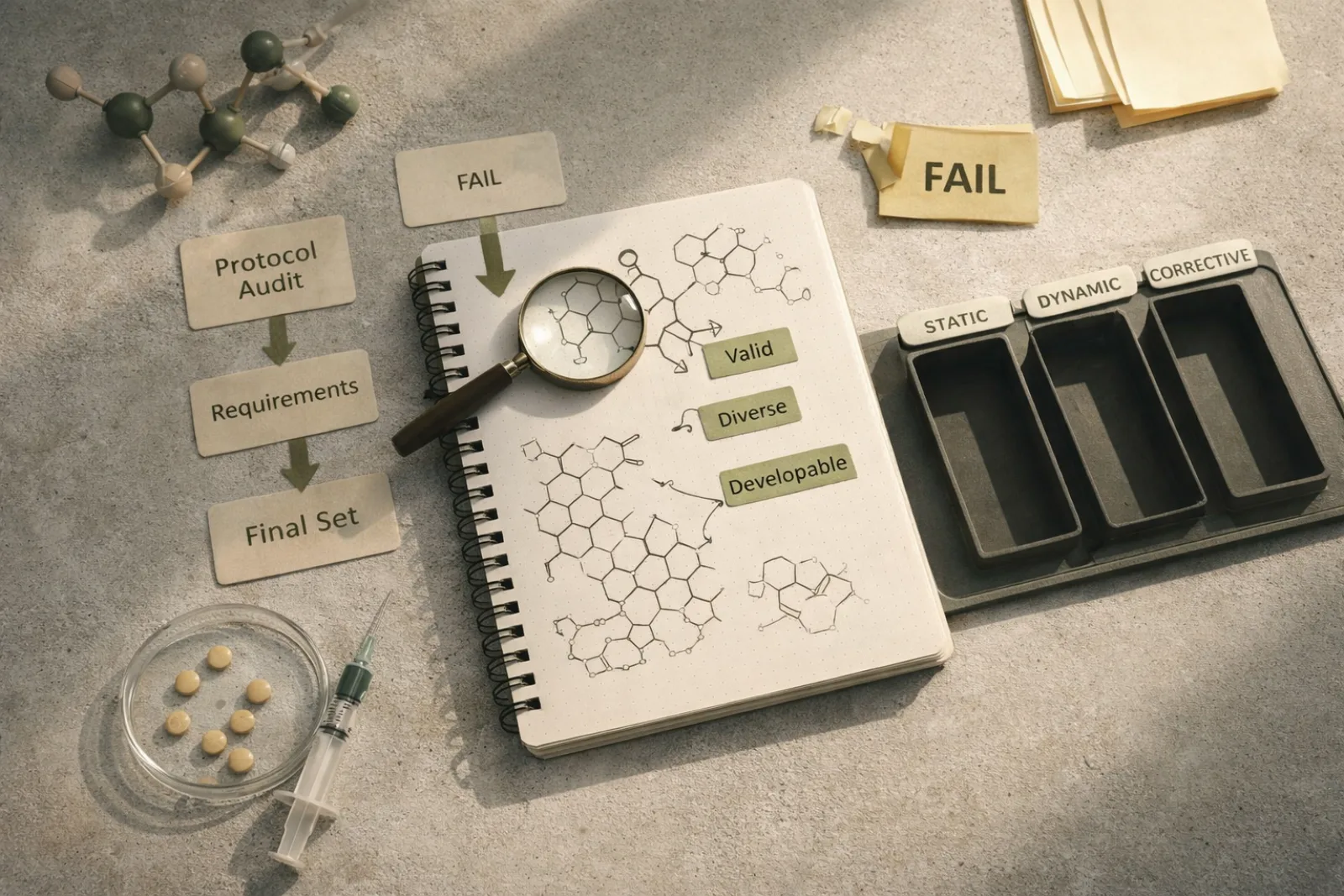
Drug discovery is a wonderful place for AI demos. The model proposes a molecule, the molecule looks plausible, a docking score improves, and the slide deck starts to glow with that familiar color: almost-commercial blue. Then the evaluation protocol arrives and ruins the party. The problem is simple, and therefore easy to underestimate. A drug discovery agent is rarely asked to return one impressive molecule. It is asked to return a set of molecules that jointly satisfies several requirements: enough candidates, enough diversity, acceptable binding proxies, drug-likeness, synthetic accessibility, novelty, and other threshold-style constraints. One molecule can look good. A few molecules can look good. The final returned pool can still fail. ...

April 13, 2026 · 15 min · Zelina
Cover image

Shared Memory, Shared Intelligence: When AI Agents Stop Thinking Alone

Memory is supposed to be the practical part of an AI system. A model answers badly, the system records what happened, and next time the agent avoids the same trap. Neat. Sensible. Almost managerial. Then the organization does what organizations always do: it adds more people. In AI terms, that means more agents, more models, more task routes, more specialized components, and more silent assumptions about who should learn from whom. A small model handles routine work. A larger model handles hard reasoning. A coding model writes scripts. A tool-using agent interacts with apps. Suddenly, “memory” is no longer a notebook. It is institutional infrastructure. ...

March 25, 2026 · 16 min · Zelina
Cover image

Context Rot & The Memory Illusion: Why Bigger Prompts Won’t Save Your AI

Memory sounds simple until it becomes a product requirement. A sales assistant must remember that one client refuses cloud deployment. A software agent must remember that Redis was vetoed after a production incident. A research copilot must remember which hypothesis failed three weeks ago, not because it is charmingly nostalgic, but because repeating failed work is an expensive hobby. ...

March 19, 2026 · 15 min · Zelina
Cover image

RL, Recall, and the Rise of Agentic Memory: What Memory-R1 Means for AI Systems

A customer-support agent that remembers the wrong thing is often worse than one that remembers nothing. Nothing can be checked. Wrong memory arrives wearing the little hat of confidence. This is the uncomfortable problem behind long-term AI agents. Businesses want systems that remember customer preferences, project history, unresolved tickets, contractual context, previous exceptions, and the fact that the user did not, in fact, ask to restart the whole workflow from scratch. The usual engineering answer is to bolt on memory: save notes, retrieve similar snippets, stuff them into context, and hope the model behaves like a diligent assistant rather than a distracted intern with a filing cabinet. ...

November 21, 2025 · 15 min · Zelina
Cover image

Pieces, Not Puzzles: How ArcMemo Turns LLM Reasoning into Reusable Skills

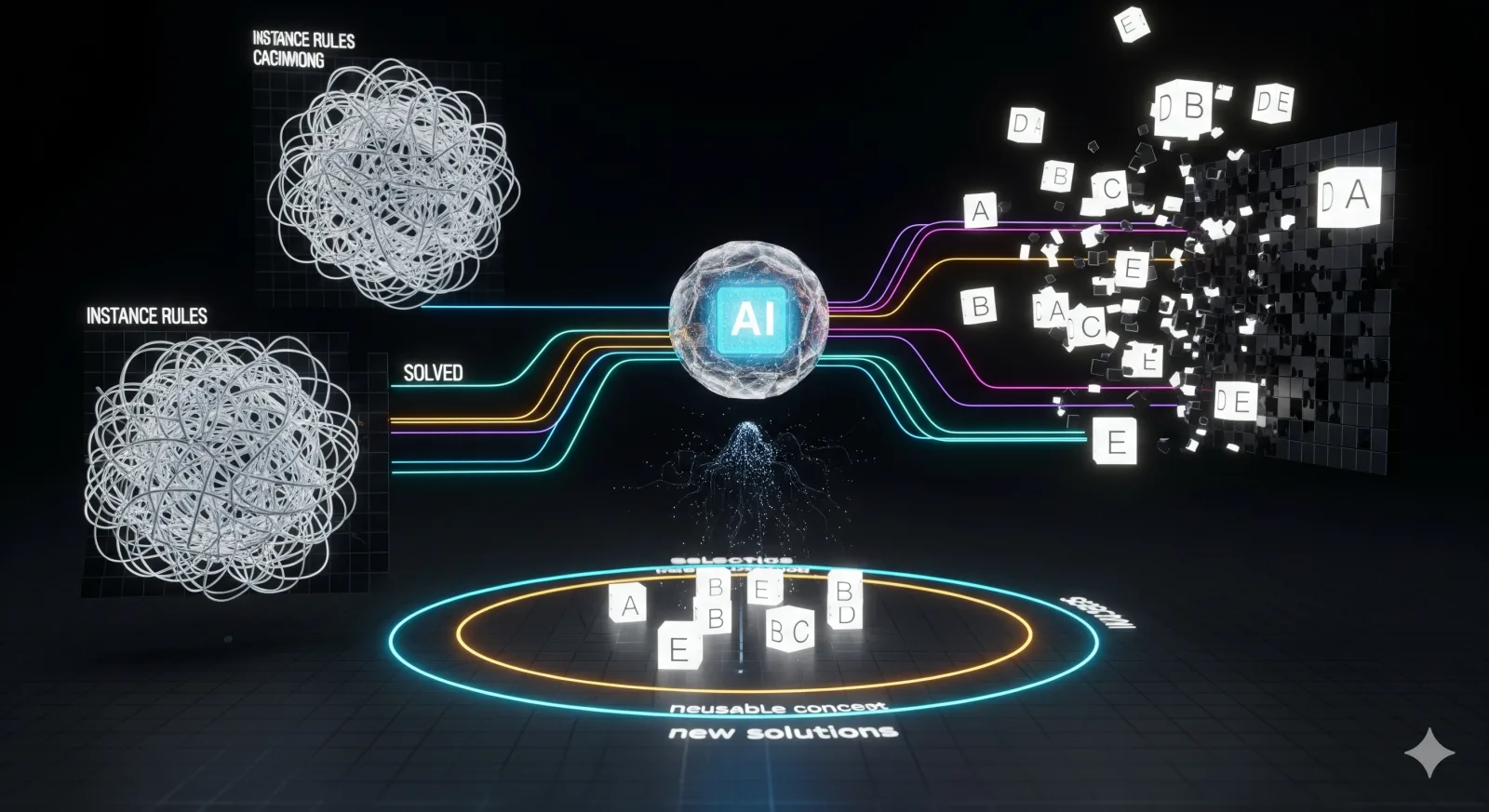
Tickets repeat. Spreadsheets repeat. Compliance reviews repeat. Code reviews repeat. Not exactly, of course. That would be merciful. They repeat with just enough variation to make last month’s solution almost useful and therefore mildly dangerous. This is where many enterprise “AI memory” systems become filing cabinets with delusions of competence. They store prior chats, snippets, tickets, documents, and summaries, then hope the next prompt will rhyme closely enough with something in the archive. Sometimes it does. Often it does not. The agent remembers the old puzzle, not the transferable piece. ...

September 8, 2025 · 15 min · Zelina