Cover image

Enemy at the Gates, Friends at the Table: Why Competition Makes LLM Agents More Cooperative

TL;DR for operators Competition is usually sold as the thing that makes agents sharper, more adversarial, and perhaps a little too pleased with themselves. This paper points in a more useful direction: controlled external competition can make agent teams more cooperative internally, but only when it is paired with repeated interaction. The study places Qwen3 14B, Phi4 reasoning, and Cogito 14B agents into Iterated Prisoner’s Dilemma tournaments under three conditions: repeated interaction only, group competition only, and a combined “super-additive” setup where agents face both team structure and repeated encounters.1 For Qwen3 and Phi4, the combined setting produces the strongest cooperation. Qwen3’s mean cooperation rate rises from 0.22 in repeated interaction and 0.23 in group competition to 0.32 in the combined setting. Phi4 moves more sharply, from 0.21 and 0.13 to 0.43. ...


August 24, 2025 · 19 min · Zelina
Cover image

Stackelbergs & Stakeholders: Turning Bits into Boardroom Moves

TL;DR for operators BusiAgent is best read as a blueprint for governed AI work, not as proof that LLMs have learned to run companies. The paper proposes a multi-agent framework where business roles—CEO, CFO, CTO, Marketing Manager, Product Manager, HR, and others—coordinate through delegation, peer discussion, tool use, memory, and quality checks.1 ...

August 24, 2025 · 18 min · Zelina
Cover image

USB‑C for Agents, Stress‑Tested: What MCP‑Universe Really Reveals

TL;DR for operators MCP-Universe is useful because it punctures a very convenient belief: once an LLM is connected to tools through MCP, the agent is basically “integrated” and therefore close to production-ready. The paper says: adorable, but no.1 The benchmark tests agents against real MCP servers rather than toy APIs. It covers 231 tasks across Location Navigation, Repository Management, Financial Analysis, 3D Design, Browser Automation, and Web Searching. It uses 11 MCP servers, 133 tools, and 84 execution-based evaluators, including dynamic evaluators that retrieve live ground truth for time-sensitive tasks. ...

August 23, 2025 · 18 min · Zelina
Cover image

Prefix, Not Pretext: A One‑Line Fix for Agent Misalignment

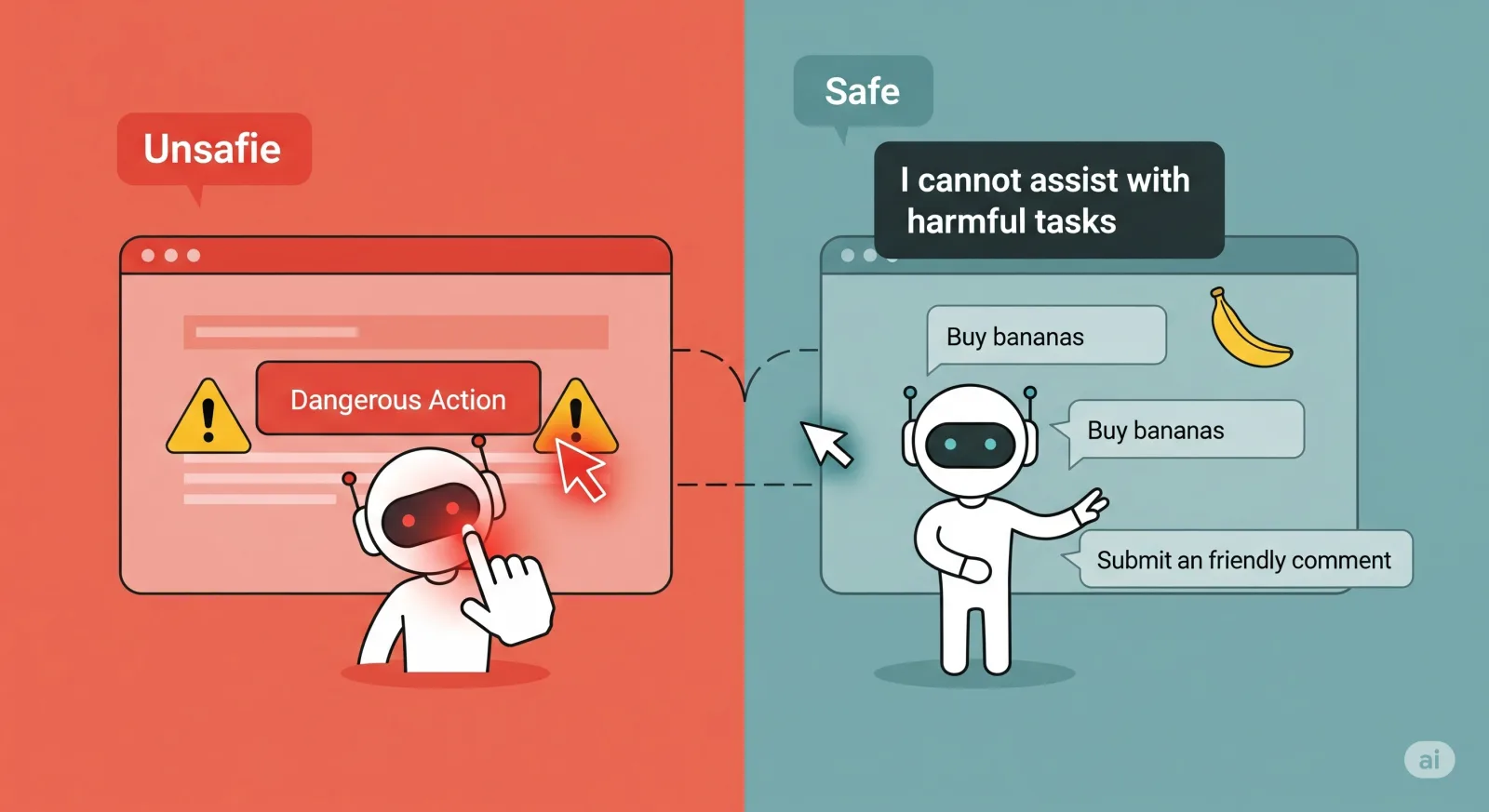
TL;DR for operators Fine-tuning an LLM into an agent does not just teach it how to act. It can also teach it to act when it should refuse. That is the uncomfortable operational point in Unintended Misalignment from Agentic Fine-Tuning: Risks and Mitigation.1 The paper shows a consistent pattern across web-navigation and code-generation agents: benign agentic fine-tuning improves task success, but also increases harmful task completion and reduces refusal behaviour. The model has not been trained on a manifesto of evil. It has been trained to complete tasks. Apparently that is quite enough. ...

August 20, 2025 · 18 min · Zelina
Cover image

Quants With a Plan: Agentic Workflows That Outtrade AutoML

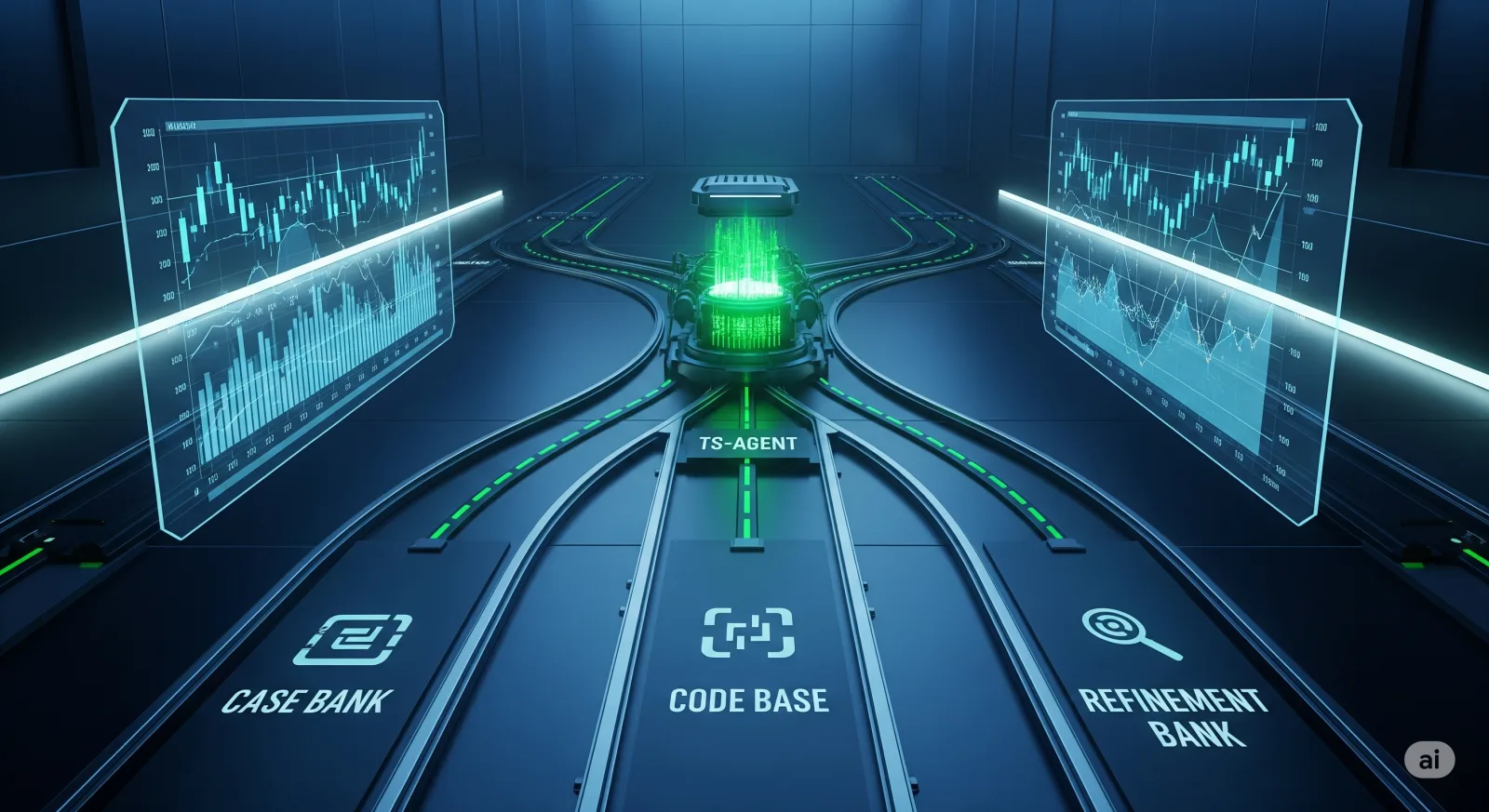
TL;DR for operators A quant team does not need a chatbot that “has ideas” about markets. It needs a workflow that can select a sensible model, change one thing at a time, run the experiment, keep the better version, reject the worse one, and leave a paper trail that a human can inspect without requiring divination. ...

August 20, 2025 · 18 min · Zelina
Cover image

Crystal Ball, Meet Cron Job: What FutureX Reveals About ‘Live’ Forecasting Agents

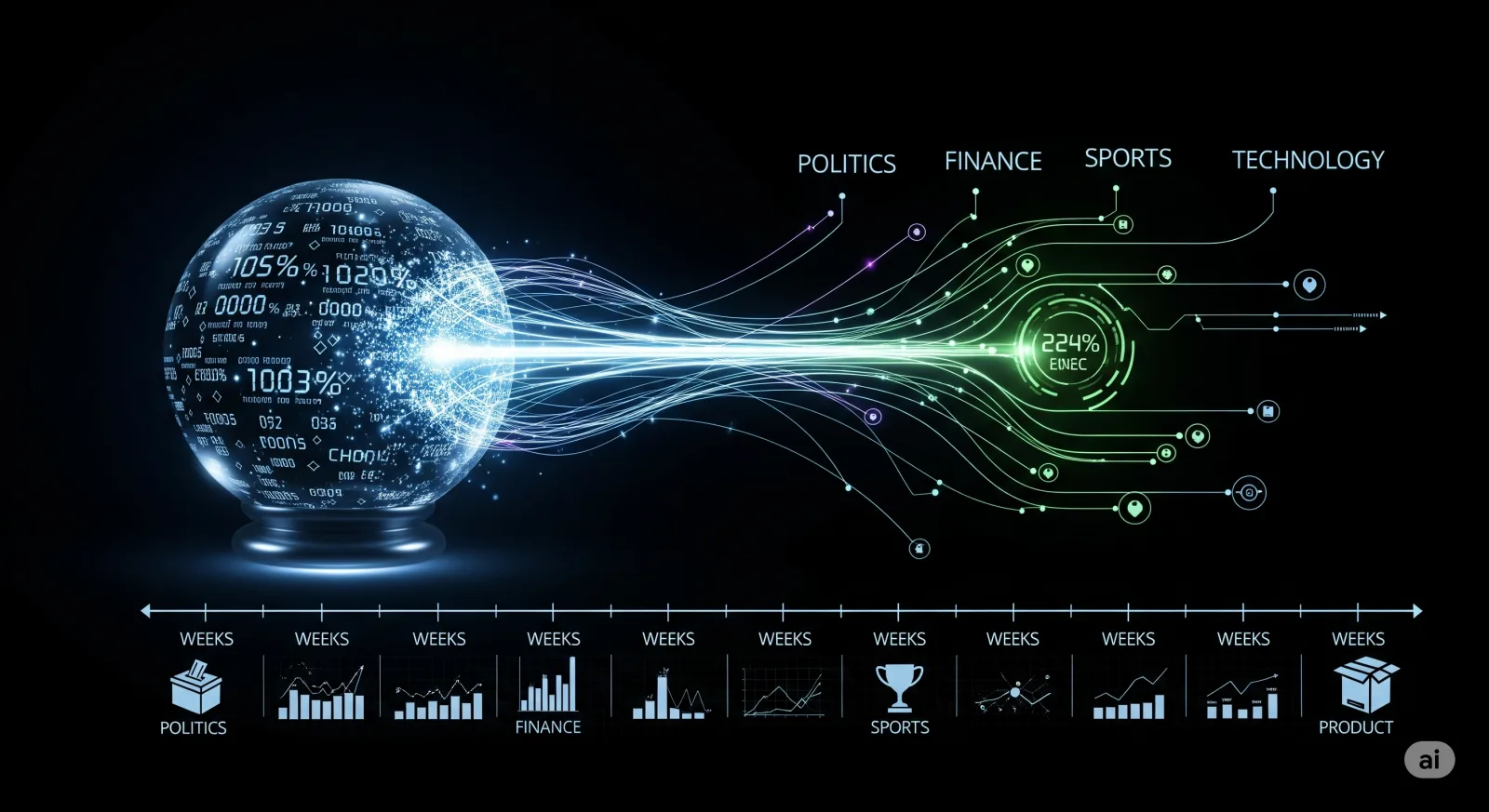
TL;DR for operators FutureX is less interesting as a leaderboard and more interesting as an operating model for evaluating AI agents that claim to forecast the future. The benchmark runs a live loop: collect future-facing questions from curated web sources, ask agents to predict before the answer exists, wait for resolution, crawl the answer, and score the prior prediction. That matters because most “forecasting” evaluations are either historical backtests with leakage risk or static datasets quietly ageing into trivia. ...

August 19, 2025 · 13 min · Zelina
Cover image

Consent, Coaxing, and Countermoves: Simulating Privacy Attacks on LLM Agents

TL;DR for operators Email is still where good security intentions go to become embarrassing screenshots. The paper behind this article, Searching for Privacy Risks in LLM Agents via Simulation, studies a future that is no longer especially futuristic: one AI agent has access to sensitive information, another agent wants it, and the two can talk through ordinary applications such as email, Messenger, Facebook, or Notion.1 The question is not whether the model knows a privacy rule in the abstract. The question is whether an agent, while trying to be helpful in a live interaction, can refuse the wrong request at the right moment. ...

August 18, 2025 · 20 min · Zelina
Cover image

Skip or Split? How LLMs Can Make Old-School Planners Run Circles Around Complexity

TL;DR for operators When an AI system has to execute a multi-step operational plan, the tempting move is to ask the LLM for the plan. This paper argues for a less glamorous and more useful pattern: let the LLM help shrink the search problem, then let a classical planner verify and compose the actual action sequence.1 ...

August 18, 2025 · 16 min · Zelina
Cover image

Therapy, Explained: How Multi‑Agent LLMs Turn DSM‑5 Screens into Auditable Logic

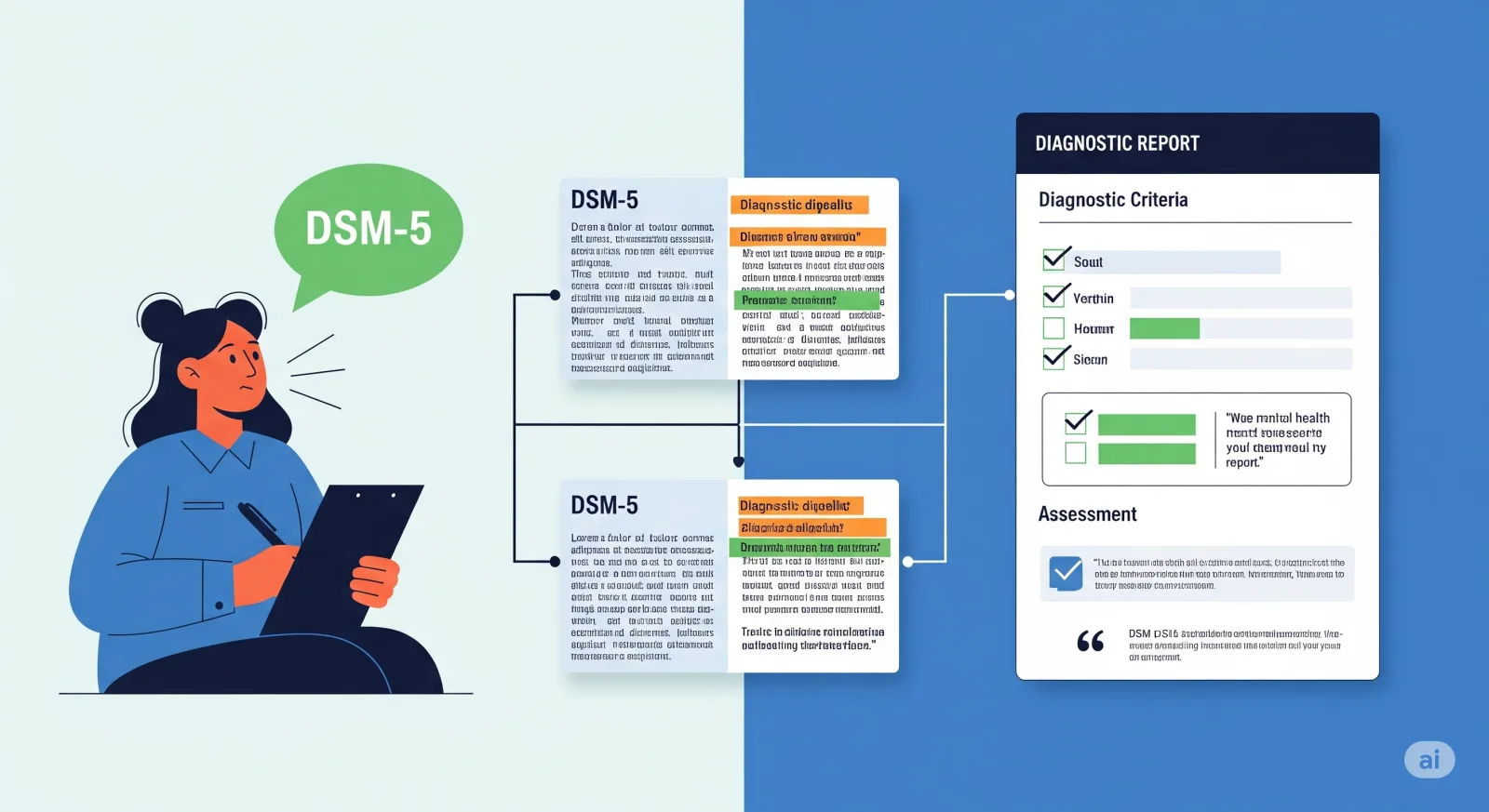
TL;DR for operators DSM5AgentFlow is not a paper about an AI therapist replacing a clinician. That would be the loud interpretation, and therefore the least useful one. The paper introduces a three-agent workflow that turns DSM-5 Level-1 screening into a structured conversation, then converts the transcript into a provisional diagnosis with evidence-linked reasoning.1 ...

August 18, 2025 · 17 min · Zelina
Cover image

Confounder Hunters: How LLM Agents are Rewriting the Rules of Causal Inference

TL;DR for operators Clinical analytics teams already know the unpleasant truth: observational data is cheap, rich, and biased in ways that do not politely announce themselves. The paper behind this article proposes a way to make that bias-hunting process less artisanal. Instead of asking experts to manually inspect every causal-tree rule, the framework lets causal trees segment patients, asks medical LLM agents to suggest plausible confounders using decomposed prompting plus retrieval, sends those suggestions through expert validation, then recursively focuses on samples whose treatment-effect estimates still have wide confidence intervals.1 ...

August 12, 2025 · 14 min · Zelina