Cover image

Raw Is Not Ready: Why Reliable AI Needs Evidence Architecture

Raw Is Not Ready: Why Reliable AI Needs Evidence Architecture Production AI has entered its awkward teenage phase. It can speak fluently, see impressively, forecast usefully, and still fail in ways that make operators quietly reach for the manual override. The problem is not simply that models are too small, not enough tokens have been burned, or someone forgot to add “think step by step” to a prompt. The deeper problem is that many AI systems are being asked to reason directly from raw inputs that have not yet been converted into the right operational form. ...

June 12, 2026 · 14 min · Zelina
Cover image

Reading Between the Lines: How AI Learned to Interpret the Law

A park sign says: “No vehicles in the park.” That seems simple until a child arrives on a small bicycle. A rule has now become a legal interpretation problem. Does “vehicle” mean any device used for transport? Does it mean motor vehicles? Does a child’s bike count? Should the answer change if the rule was meant to protect pedestrians, prevent noise, preserve grass, or stop cars from entering the park? ...

March 6, 2026 · 16 min · Zelina
Cover image

When Precedent Gets Nuanced: Why Legal AI Needs Dimensions, Not Just Factors

Rules are easy when the facts repeat themselves. The previous case had a bribe, this case has a bribe; the previous decision went one way, so the new decision should probably follow. That is the comforting version of precedent. It is also the version most likely to make legal AI look coherent in a demo and naïve in production. A small inconvenience, but tradition has survived worse. ...

December 16, 2025 · 18 min · Zelina
Cover image

When Compliance Blooms: ORCHID and the Rise of Agentic Legal AI

Procurement is where compliance anxiety goes to acquire a purchase order. A laboratory wants to buy an item. Perhaps it is ordinary. Perhaps it is dual-use. Perhaps it belongs under the U.S. Munitions List, Nuclear Regulatory Commission controls, the Commerce Control List, or the broad residual category of EAR99. The practical question is not just “what is this?” It is “what is this under the rules, according to which rule text, with enough evidence that someone can defend the decision later?” ...

November 10, 2025 · 14 min · Zelina
Cover image

When RAG Meets the Law: Building Trustworthy Legal AI for a Moving Target

Legal teams do not usually ask for AI that sounds clever. They ask for AI that does not accidentally invent a statute, misread a precedent, or confidently advise someone into a procedural ditch. That makes legal AI an awkward domain for large language models. The model may be fluent. The law, inconveniently, is not graded on fluency. It is graded on source, jurisdiction, timing, interpretation, and traceability. A beautiful answer with the wrong legal basis is not “almost useful”. It is professionally radioactive. ...

November 6, 2025 · 13 min · Zelina
Cover image

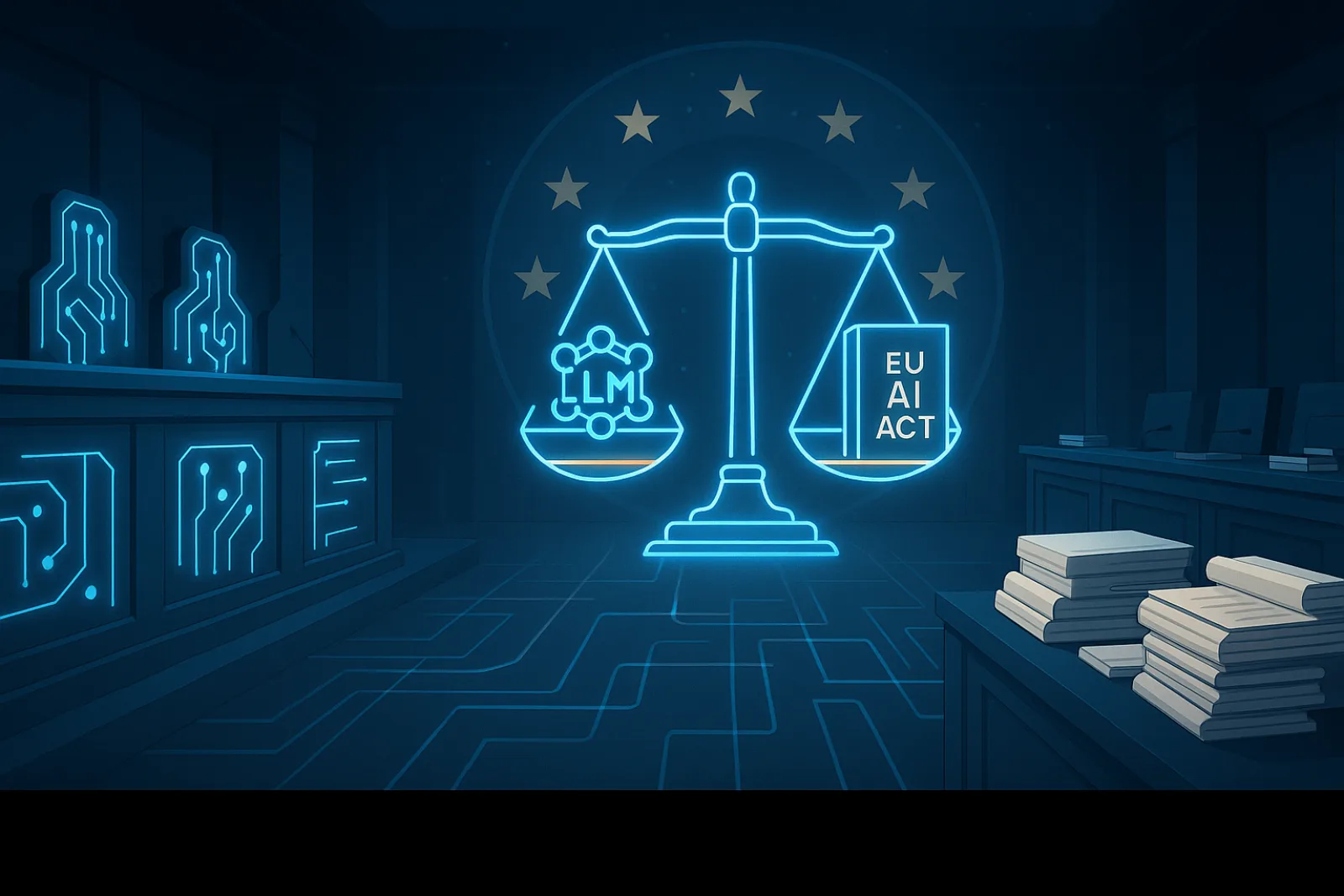
Paper Tigers or Compliance Cops? What AIReg‑Bench Really Says About LLMs and the EU AI Act

Audit queues have a special talent for turning urgency into fog. A product team wants to ship. Legal wants assurance. Governance wants evidence. The vendor has supplied a beautifully formatted technical document, full of dataset sizes, risk controls, model validation steps, and the usual confidence perfume. Somewhere inside that document may be a real compliance gap. Or it may simply be written by someone who knows how to sound compliant. Naturally, someone asks the modern executive question: can we let an LLM take the first pass? ...

October 9, 2025 · 15 min · Zelina
Cover image

When Logic Meets Language: The Rise of High‑Assurance LLMs

A compliance officer does not want a beautiful answer. She wants to know which clause applied, which exception overrode it, which fact triggered the exception, and whether the conclusion still holds after someone adds one inconvenient detail. That is the annoying little problem with using large language models in serious workflows. They are fluent. They are often useful. They can explain themselves at length, occasionally with the confidence of a junior associate who has discovered formatting. But in law, medicine, tax, contract review, and policy compliance, reasoning is not merely the ability to produce a plausible paragraph. It is the ability to tie a conclusion back to rules, facts, exceptions, and provenance. ...

October 9, 2025 · 17 min · Zelina
Cover image

Judgment Day for RAG: How L‑MARS Cuts Legal Hallucinations by Design

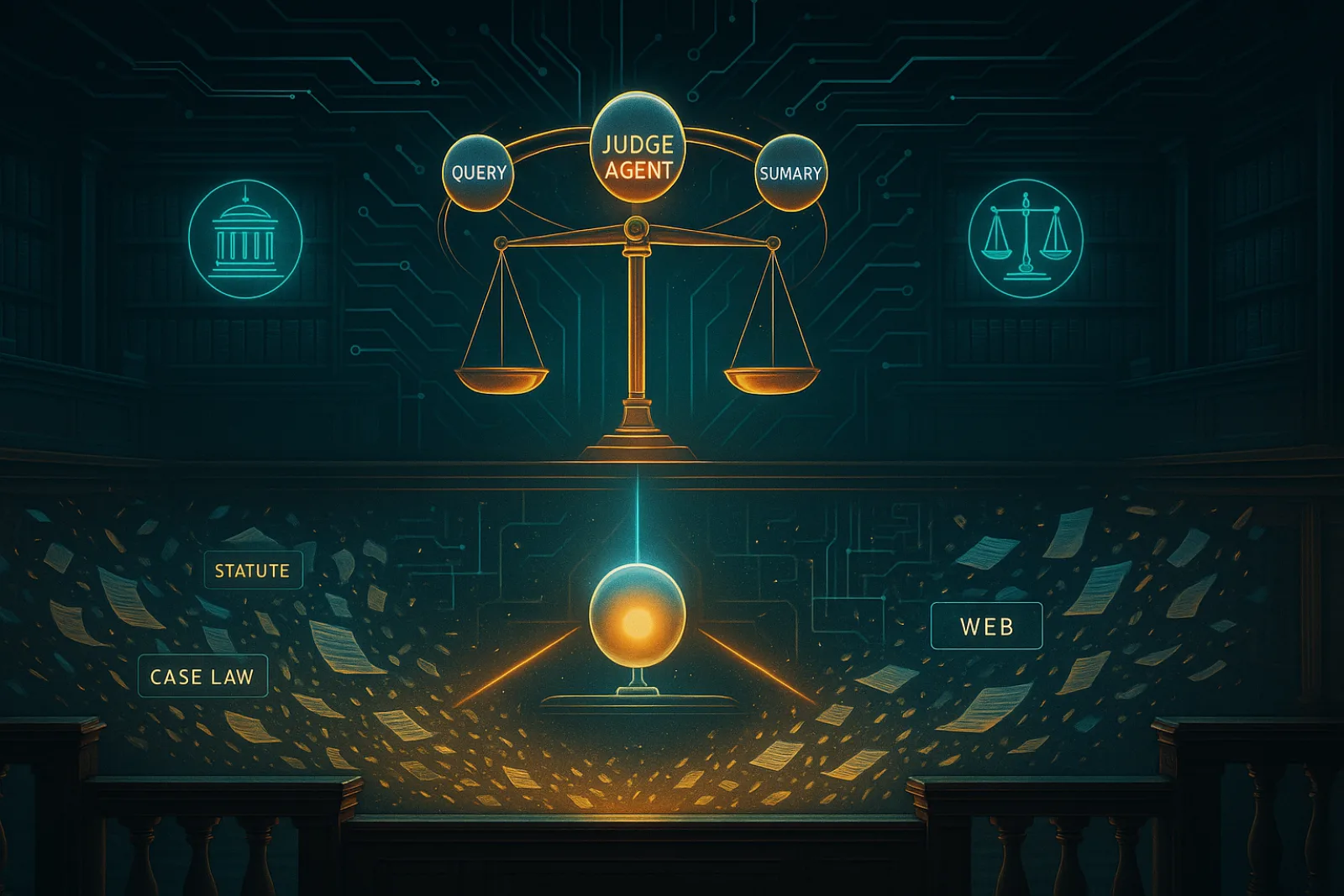
TL;DR for operators Legal AI does not fail only because models “hallucinate”. That word has become the industry’s favourite fog machine. The more operational diagnosis is sharper: models fail when they answer current legal questions from stale internal memory and then dress the error in confident reasoning. The L-MARS paper is useful because it separates two tasks that vendors often blend together for convenience: retrieving current legal facts and reasoning over stable legal principles.1 On LegalSearchQA, a new 50-question benchmark built around recent U.S. legal facts verified in March 2026, L-MARS reaches 96.0% accuracy. Zero-shot GPT-4o-mini reaches 58.0%. Chain-of-thought falls to 30.0%, because step-by-step reasoning from outdated premises merely creates a more articulate mistake. ...

September 4, 2025 · 14 min · Zelina

From Case File Chaos to Lawyer-Ready Briefs

A boutique law firm used a governed legal case preparation agent system to turn fragmented client files into reviewable document indexes, timelines, issue maps, research leads, and draft memos before lawyer approval.

August 30, 2025 · 8 min · Vox