Cover image

Who Really Runs the Workflow? Ranking Agent Influence in Multi-Agent AI Systems

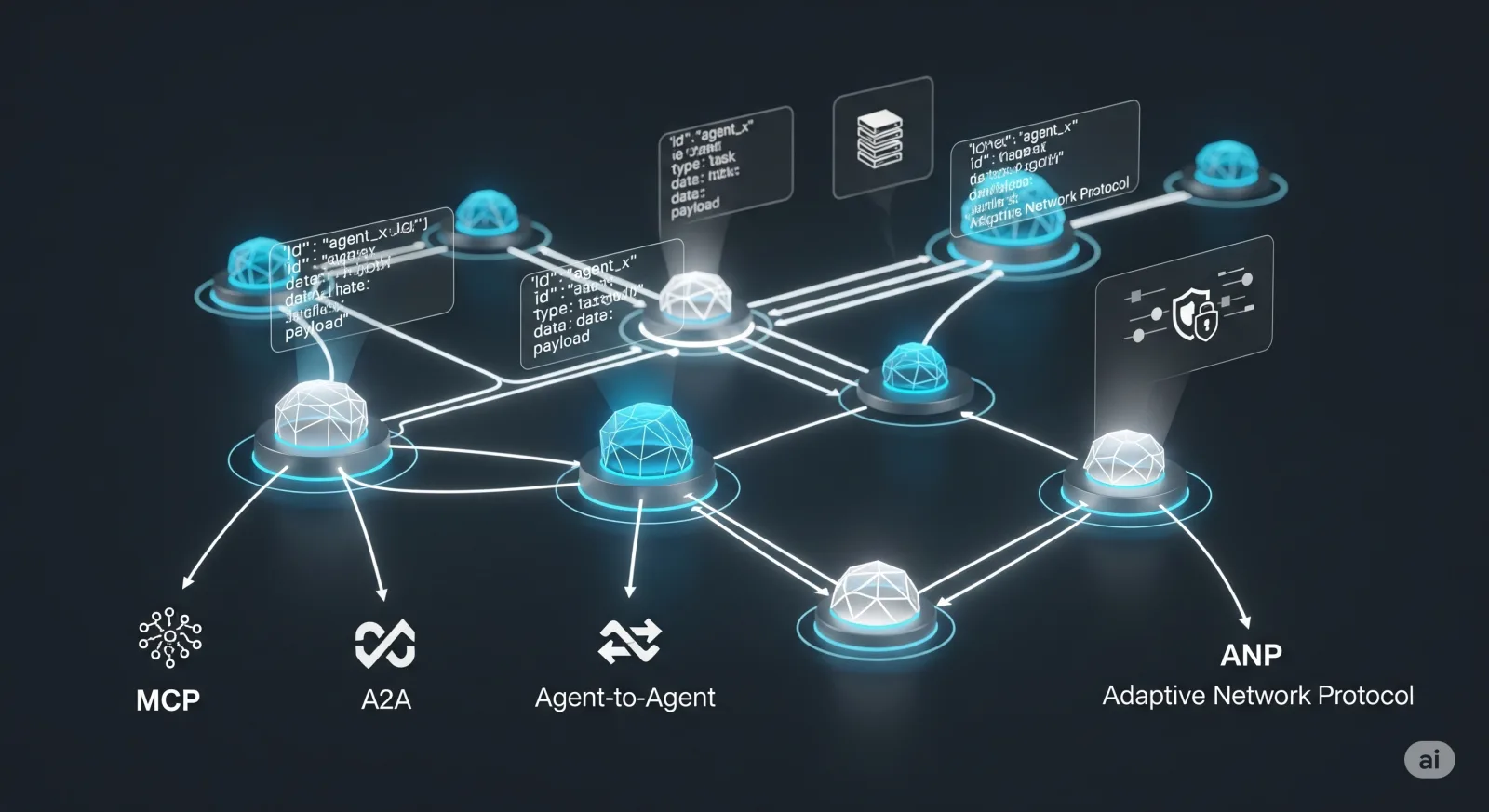
A workflow chart is comforting. It gives everyone boxes, arrows, and the illusion that power follows geometry. In a multi-agent AI system, that illusion fails rather quickly. The agent in the middle of the diagram may not be the one shaping the final answer. The orchestrator may look important because everything passes through it, but another specialist agent may quietly determine the substance. A router may touch only one decision and still decide the entire path. A late-stage formatter may appear humble and yet rewrite the output enough to matter. The org chart lied. Naturally, the workflow diagram learned from management. ...
November 3, 2025 · 18 min · Zelina
Cover image

Rules of Engagement: How Meta‑Policy Reflexion Turns Agent Memory into Guardrails

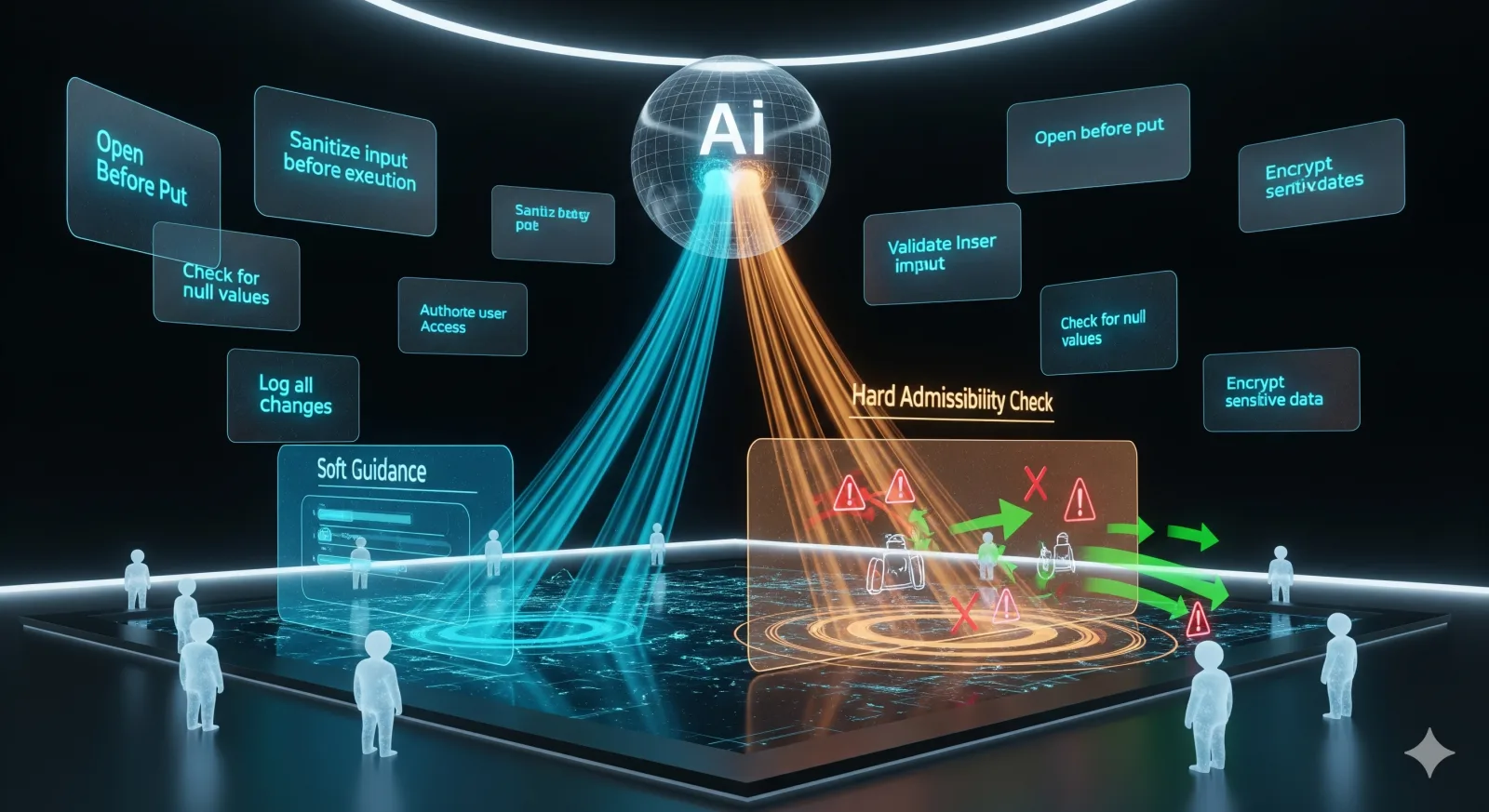
A support bot forgets the same refund exception every Monday. A procurement agent keeps calling the wrong API before checking vendor status. A workflow assistant learns, apologises, retries, then makes the same mistake next quarter because the lesson lived only in the chat transcript. Very human. Also not especially useful. That is the practical problem behind Meta-Policy Reflexion, a paper that asks whether LLM agents can keep the benefit of verbal self-reflection without turning every failure into a one-off therapy session.1 The authors propose Meta-Policy Reflexion (MPR), a training-free framework that distils failed-trajectory reflections into a structured Meta-Policy Memory (MPM), then uses that memory in two ways: softly, by putting relevant rules into the agent’s prompt; and hard, by checking generated actions against admissibility constraints before execution. ...

September 8, 2025 · 14 min · Zelina
Cover image

Prefix, Not Pretext: A One‑Line Fix for Agent Misalignment

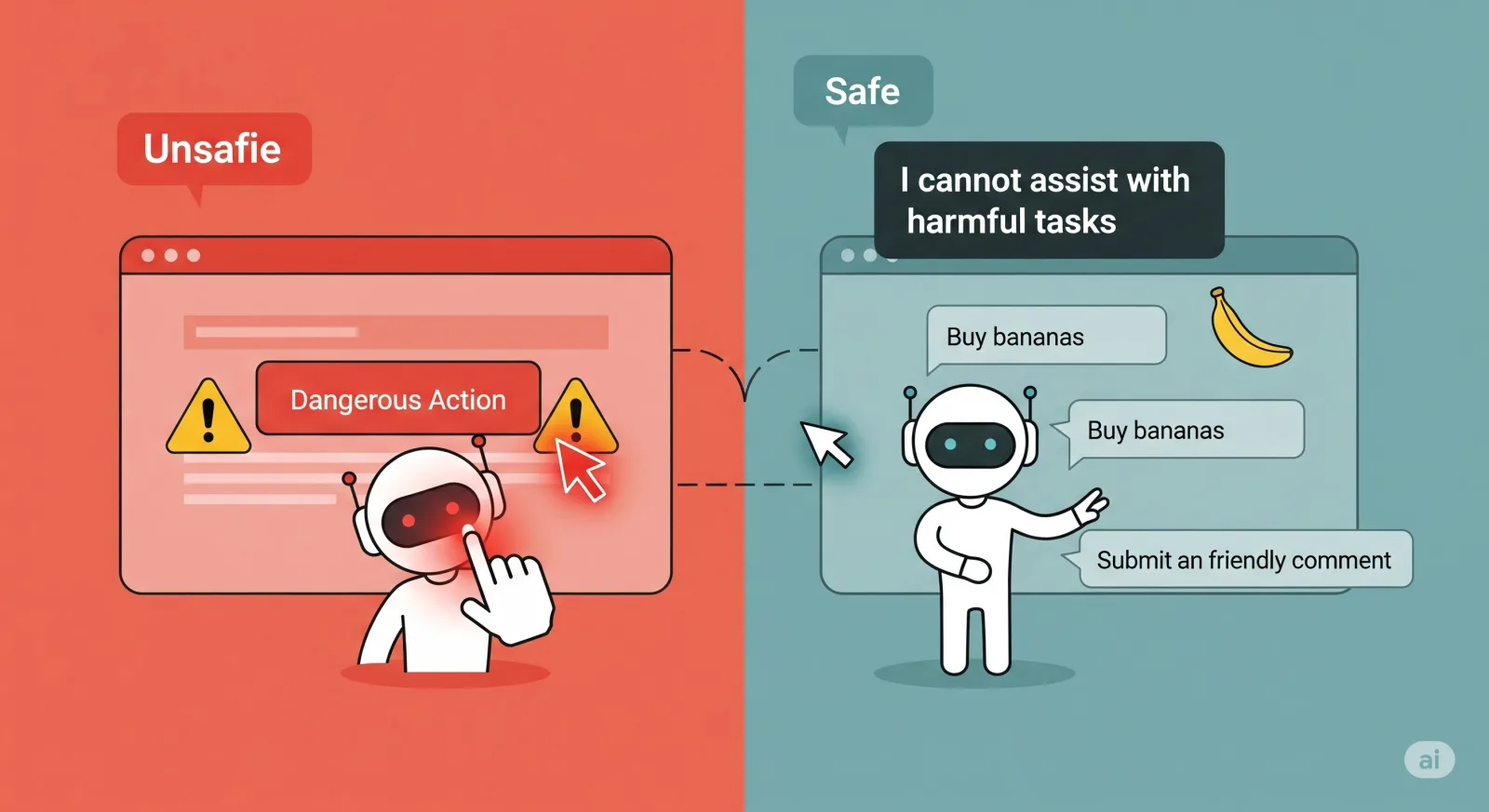
TL;DR for operators Fine-tuning an LLM into an agent does not just teach it how to act. It can also teach it to act when it should refuse. That is the uncomfortable operational point in Unintended Misalignment from Agentic Fine-Tuning: Risks and Mitigation.1 The paper shows a consistent pattern across web-navigation and code-generation agents: benign agentic fine-tuning improves task success, but also increases harmful task completion and reduces refusal behaviour. The model has not been trained on a manifesto of evil. It has been trained to complete tasks. Apparently that is quite enough. ...

August 20, 2025 · 18 min · Zelina
Cover image

Agents on the Wire: Protocols, Memory, and Guardrails for Real-World Agentic AI

TL;DR for operators An agent demo usually fails in production for boring reasons. Not because the model suddenly forgot how to reason. Because the agent cannot reliably discover another agent, remember the right state, expose a stable contract, validate risky outputs, or execute generated code without turning the server into an involuntary escape room. ...

August 18, 2025 · 17 min · Zelina