Cover image

When AI Agents Read the Manual: Why τ-Knowledge Exposes the Limits of LLM Reasoning

A customer asks a banking agent to handle a routine request. Freeze a card. Replace a lost wallet. Open a better savings account. Close an old credit card. Apply a referral bonus. Nothing here sounds like artificial general intelligence. It sounds like Tuesday morning in a customer support queue. Then the agent has to read the internal policy, discover which tool exists, verify the customer’s account state, notice that one action blocks another, decide whether the user’s claim needs verification, and make the right database update. ...

March 5, 2026 · 15 min · Zelina
Cover image

When Analysts Become Agents: Fine-Grained AI Teams That Actually Trade

Trading teams rarely fail because nobody had a title. They fail because the signal gets lost somewhere between the analyst, the sector specialist, the portfolio manager, and the final trade list. Someone sees momentum. Someone else sees valuation. A news analyst notices a red flag. A macro analyst says the regime is awkward. Then the PM receives a pile of half-compatible opinions and performs the ancient institutional ritual known as “synthesis,” which is often just a polite word for discretionary compression. ...

February 27, 2026 · 15 min · Zelina
Cover image

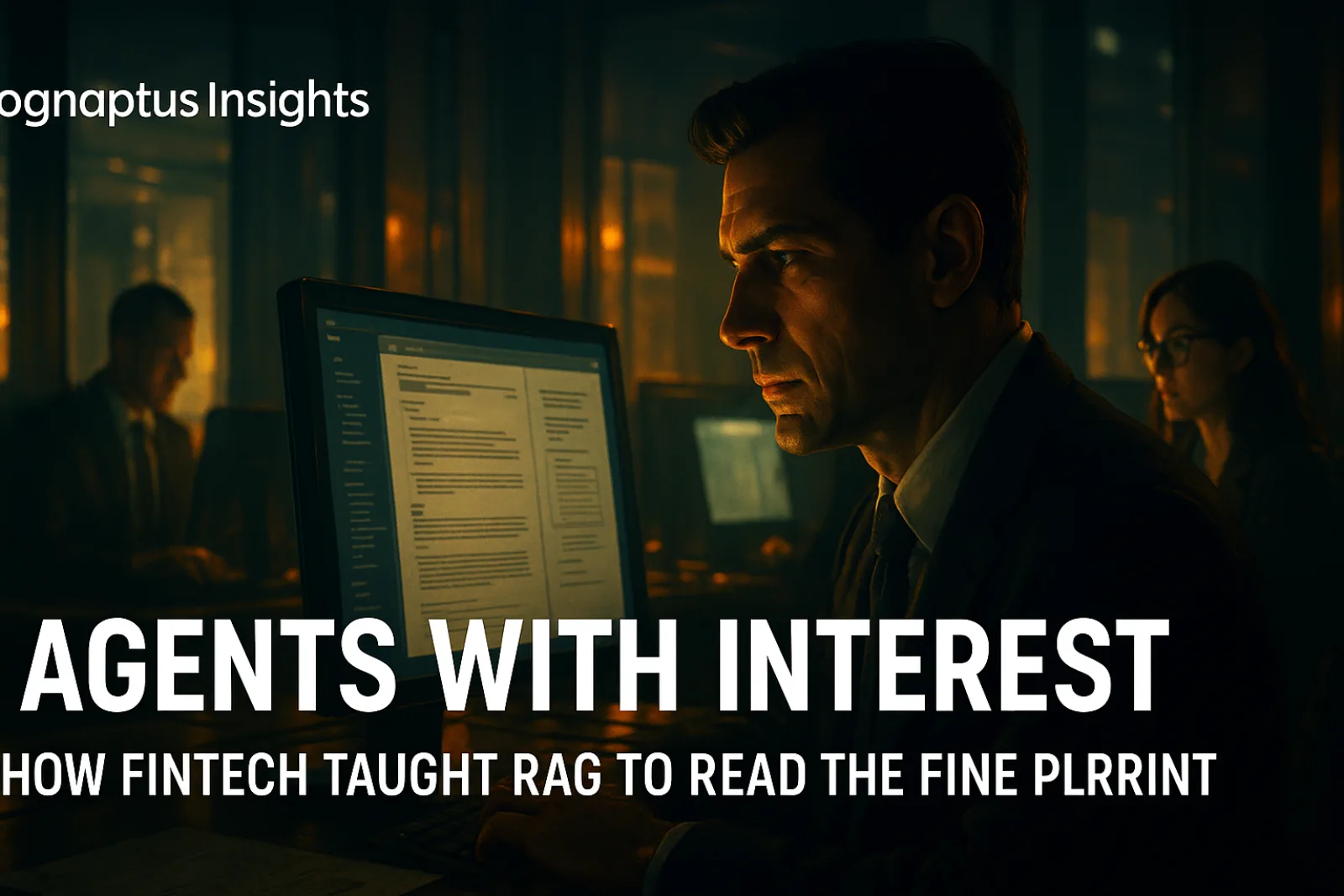
Agents with Interest: How Fintech Taught RAG to Read the Fine Print

Ask a product manager in a financial technology company a simple question — “How does this feature behave under that framework?” — and the answer may live in five places, three teams, two stale wikis, and one acronym that means different things depending on who had coffee with whom. This is the everyday enemy of enterprise AI. Not lack of models. Not lack of dashboards. Not even lack of documents. The problem is that internal knowledge rarely behaves like a neat public benchmark. It is fragmented, duplicated, partially obsolete, acronym-heavy, and governed by access rules that make the usual “just send it to a cloud assistant” suggestion both naïve and professionally adventurous. ...

November 4, 2025 · 14 min · Zelina
Cover image

The Roots of Finance: How Reciprocity Explains Credit, Insurance, and Investment

TL;DR for operators Most financial systems are designed as if finance begins with institutions: contracts, lenders, insurers, markets, prices, and enforcement. Paper 2506.00099 asks a cleaner question: what if the core behaviours behind finance emerge before those institutions, from repeated reciprocal interaction?1 The paper’s central move is to treat trade as the simplest case of reciprocity, then derive credit, insurance, token exchange, and investment as structural extensions of the same mechanism. Add delay, and reciprocity starts to look like credit. Add asymmetric risk, and it starts to look like insurance. Add portable mediation, and it starts to look like token exchange. Add expected future reward, and it starts to look like investment. Finance, in this view, is not born fully dressed in a suit carrying a term sheet. It begins as remembered obligation. ...

August 3, 2025 · 19 min · Zelina
Cover image

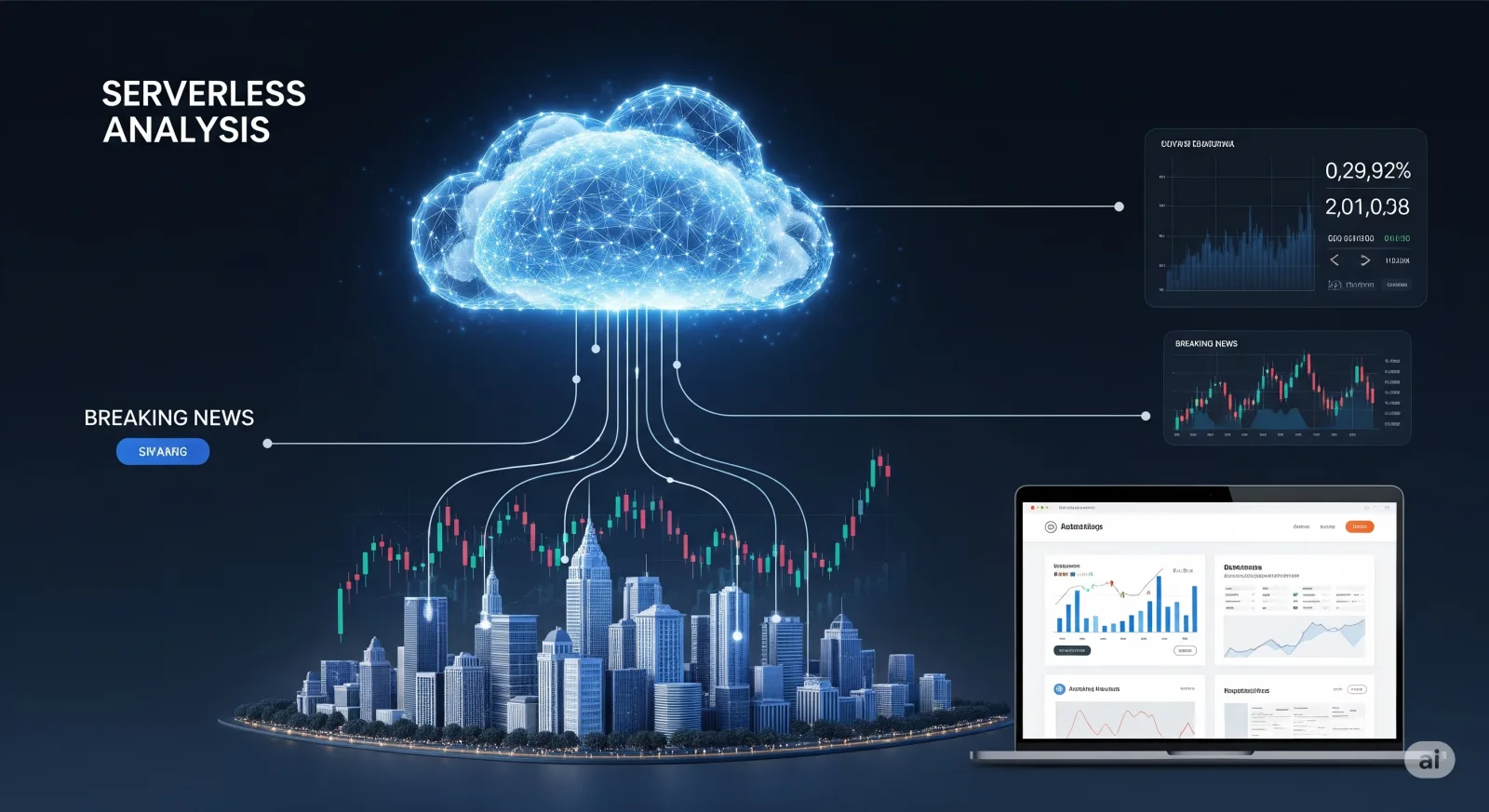
Serverless Bulls and Bears: How One Developer Built a Real-Time Stock Analyst with Zero Infrastructure

TL;DR for operators A paper on a “real-time stock analyst” sounds, at first blush, like another attempt to place a crystal ball inside a chatbot and call it alpha. Fortunately, this one is more useful than that. Taniv Ashraf’s paper, A Serverless Architecture for Real-Time Stock Analysis using Large Language Models, is best read as a build-and-debug case study, not as evidence that Gemini can reliably predict stock prices.1 ...

July 15, 2025 · 15 min · Zelina