Cover image

Bodies Do the Thinking: Why Physical AI Changes the Intelligence Game

A robot helping a patient stand is not solving a benchmark. It is sharing weight, sensing resistance, absorbing surprise, and deciding how much force is too much. That last phrase is where most AI language starts to get suspiciously cloudy. “Deciding” sounds like a software problem. In physical systems, it is also a stiffness problem, a damping problem, an energy problem, and occasionally a liability problem wearing hospital slippers. ...
November 13, 2025 · 19 min · Zelina
Cover image

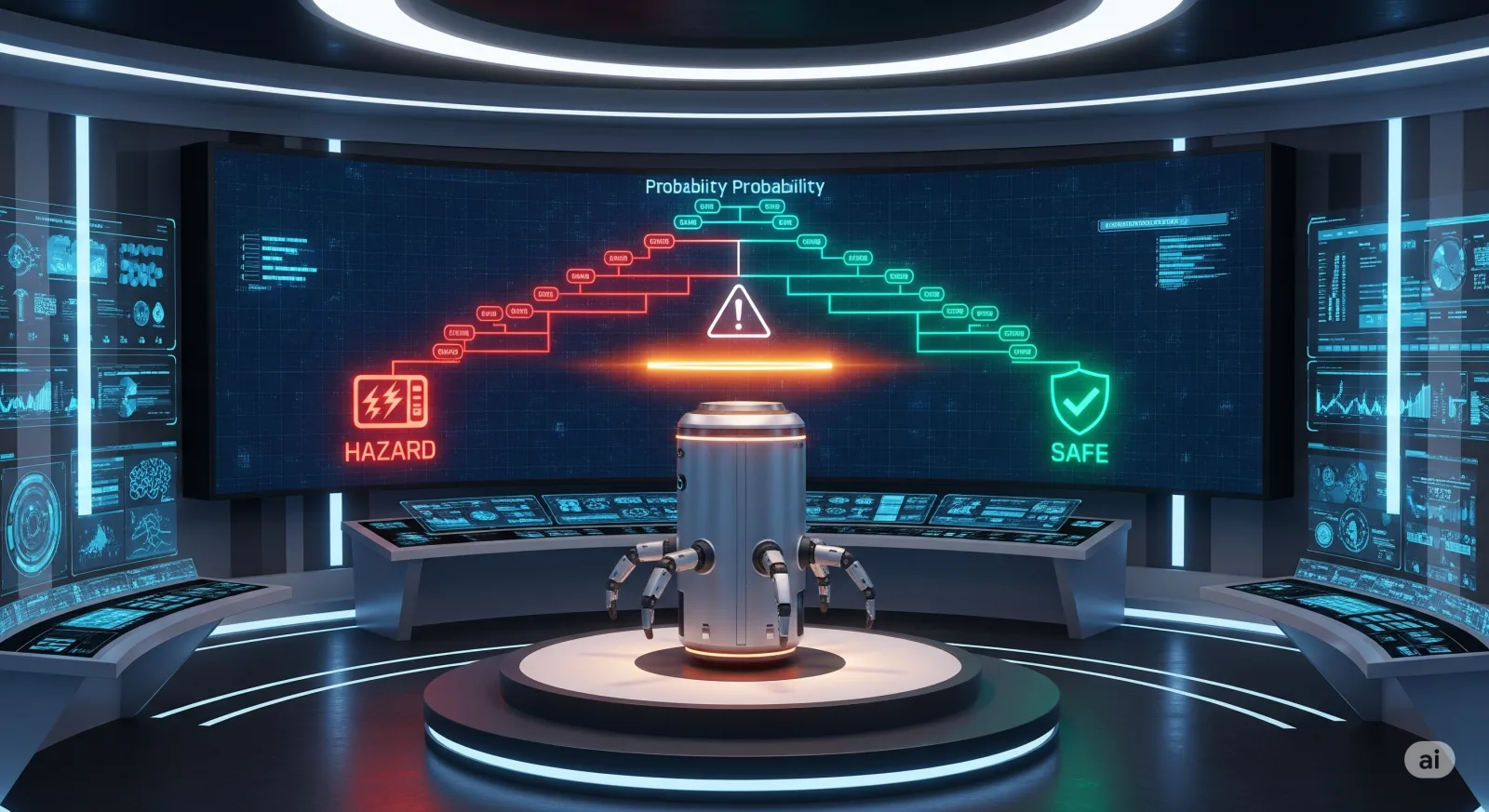
Forkcast: How Pro2Guard Predicts and Prevents LLM Agent Failures

TL;DR for operators ProbGuard1 is a runtime safety monitor that tries to answer a more useful question than “Has the agent broken a rule?” It asks: “Given where the agent is now, how likely is it to end up breaking a rule soon?” That shift matters. Many agent failures are not single bad actions. They are bad trajectories: the robot chooses the wrong object, the car carries too much speed into a risky scene, the workflow skips a confirmation step three moves before data is exposed. A conventional rule-based guardrail often detects the problem when the violation is already visible. ProbGuard tries to detect the probability mass moving toward the violation earlier. ...

August 4, 2025 · 17 min · Zelina
Cover image

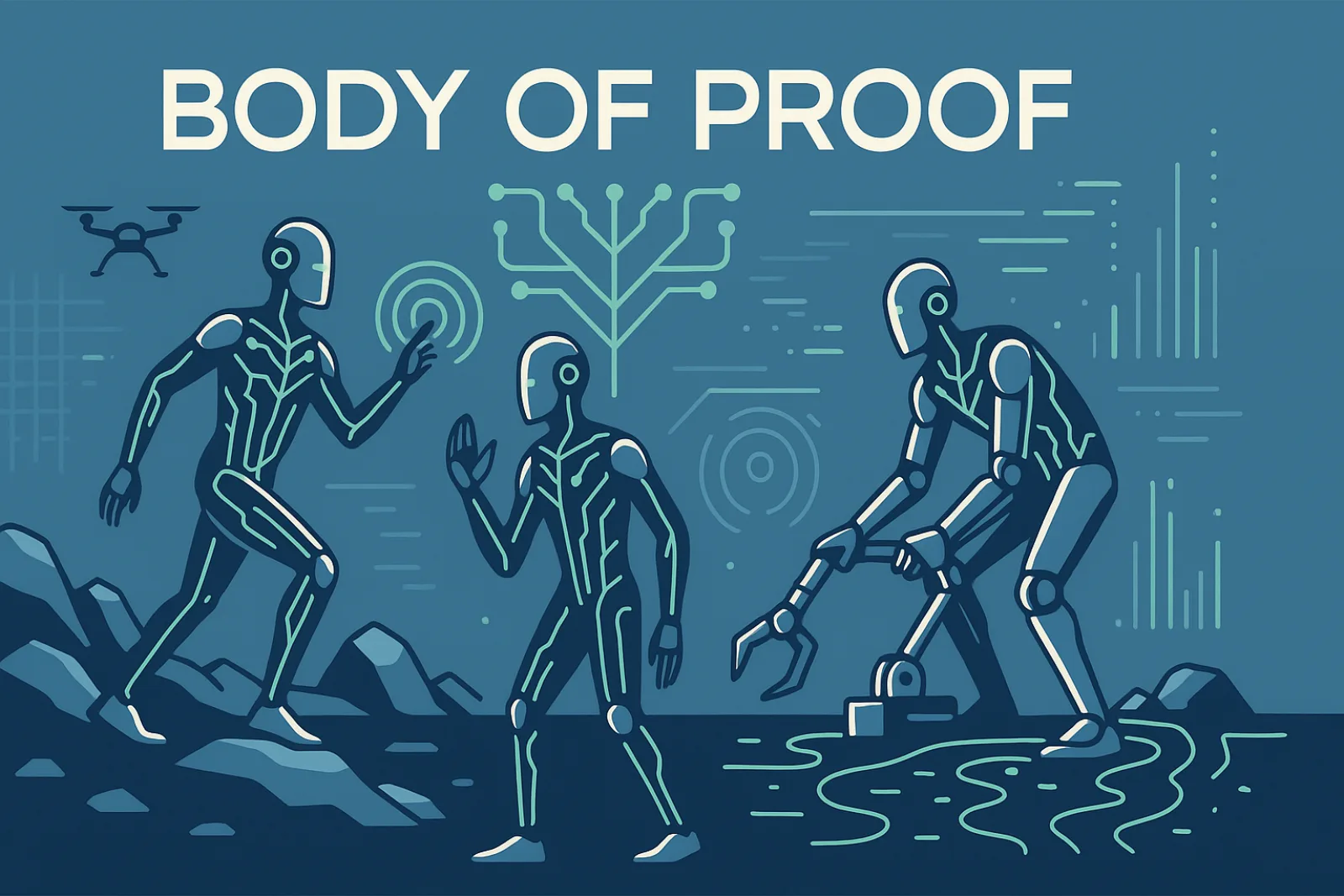
Body of Proof: Why Embodied AI Needs More Than One Mind

TL;DR for operators A robot that works alone is already expensive, brittle, and rude to your maintenance budget. A group of robots that must work together adds a different class of difficulty: timing, communication, role allocation, shared perception, physical interference, changing team composition, and the occasional human wandering into the scene with a clipboard. ...

May 9, 2025 · 15 min · Zelina