Cover image

Causality in Stereo: How Multi-Band Granger Unveils Frequency-Specific Influence

TL;DR for operators Signals do not always influence each other on one clock. A machine vibration may create a fast alarm signature and a slower thermal drift. A brain region may interact through one rhythm quickly and another rhythm slowly. A market signal may move through intraday noise, weekly positioning, and slower macro repricing. Treating all of that as one blended time series is convenient. It is also a rather efficient way to throw away the thing you wanted to understand. ...
August 4, 2025 · 15 min · Zelina
Cover image

Causality Is Optional: Rethinking Portfolio Efficiency Through Predictive Lenses

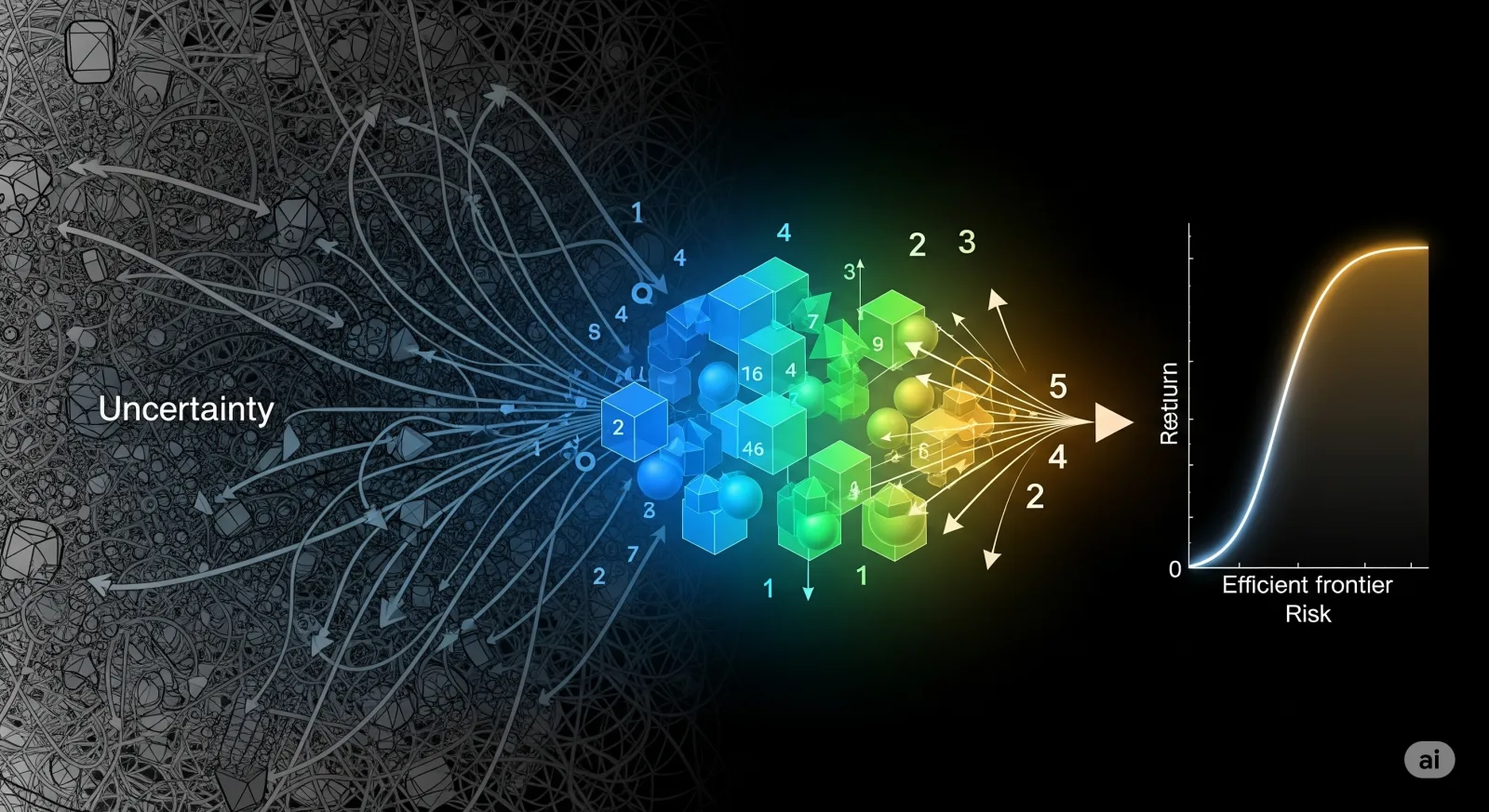
TL;DR for operators A portfolio does not care whether your signal has a beautiful causal origin story. It cares whether the signal points in roughly the right direction, ranks assets usefully, and is scaled well enough not to produce absurd weights. That is the useful, slightly impolite message of Alejandro Rodriguez Dominguez’s paper, Is Causality Necessary for Efficient Portfolios?1 The paper challenges a strong claim in recent causal factor-investing work: that causal factor models are necessary for investment efficiency. Its answer is narrower and more operational. Within static mean-variance and related quadratic optimisation frameworks, causal identification is not the necessary condition. The necessary operating conditions are geometric. ...

August 3, 2025 · 13 min · Zelina
Cover image

Price Shock Therapy: Causal ML Reveals True Impact of Electricity Market Liberalization

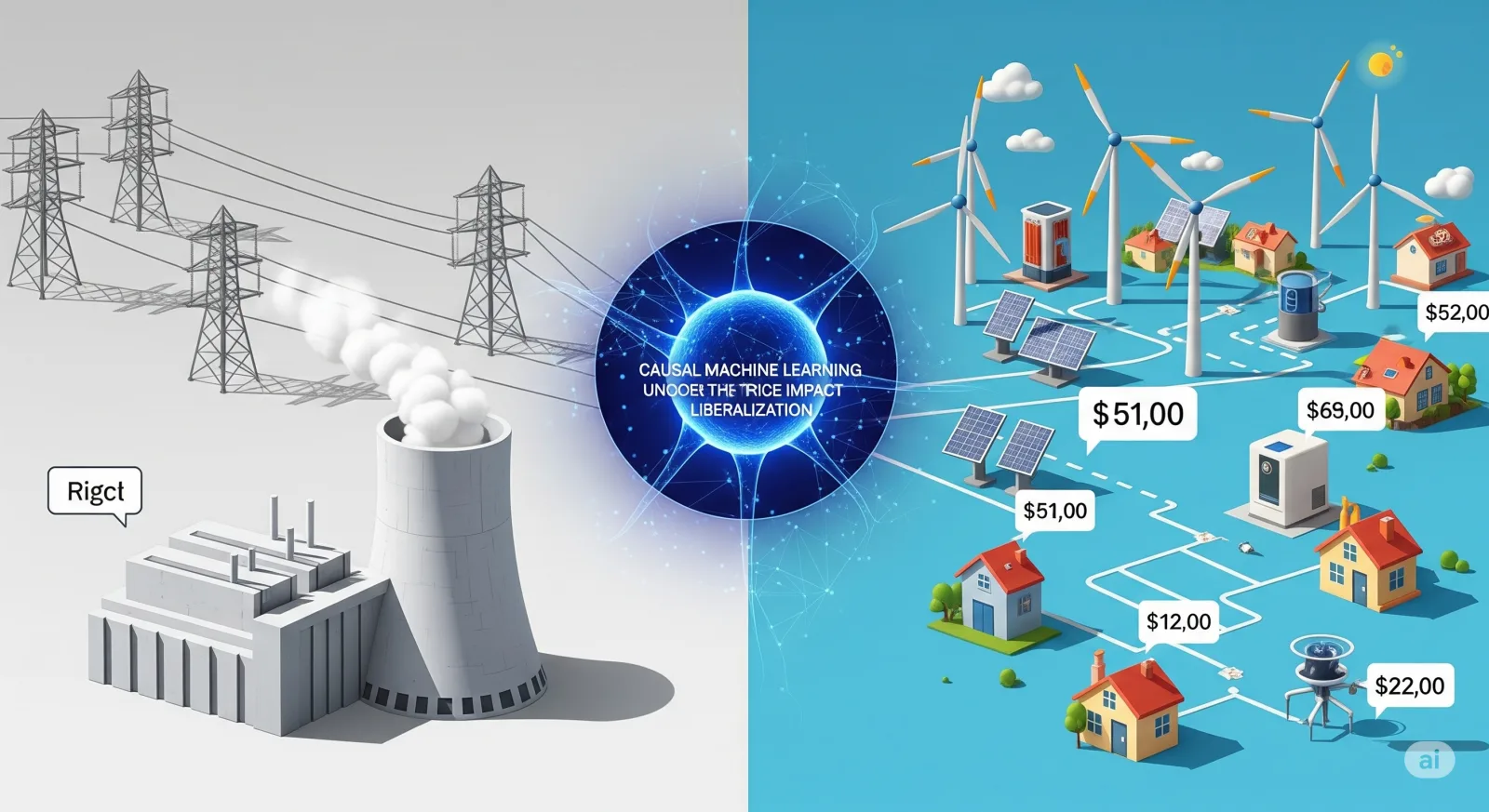
TL;DR for operators Electricity deregulation is usually sold as a simple story: introduce competition, lower prices, everyone applauds politely, preferably near a ribbon-cutting ceremony. The paper behind this article is more useful because it refuses that simplicity. It asks a sharper operational question: when independent electricity producers actually entered selected US state markets, did residential electricity prices fall relative to a credible counterfactual?1 ...

July 20, 2025 · 16 min · Zelina
Cover image

Causality Pays: A Smarter Take on Volatility-Based Trading

TL;DR for operators Volatility is usually treated as a risk input: measure it, size positions around it, and try not to get mugged by it before lunch. This paper treats volatility differently. It uses mid-range volatility to select stocks that are neither comatose nor explosive, then applies a causal-inference stack to find which stocks appear to move before others. ...

July 15, 2025 · 15 min · Zelina
Cover image

Peering Through the Fog: A Hierarchy of Causal Identifiability Without Full Graphs

TL;DR for operators Most business causal analysis begins with an uncomfortable little fiction: that someone knows the causal graph. The marketing team wants to know whether a campaign caused retention. The risk team wants to know whether a policy change reduced defaults. The operations team wants to know whether a staffing rule improved service levels. Everyone has observational data. Nobody has a clean experimental intervention. Somewhere, usually in a deck with too many arrows, a causal diagram appears. ...

July 12, 2025 · 17 min · Zelina