
Cover image

From Static Models to Living Systems: When AI Stops Predicting and Starts Adapting

Training data used to be treated like warehouse inventory: collect enough of it, clean the worst parts, stack it neatly, and feed it to the model. That worked well enough when the main question was scale. More tokens, more compute, more parameters, more dashboards announcing progress with the confidence of a quarterly sales deck. But production AI is beginning to run into a less convenient truth: data is not only an input. It is an allocation decision. ...
February 21, 2026 · 14 min · Zelina
Cover image

Weight Watchers for LLMs: Dynamic Dieting Beats Static Selection

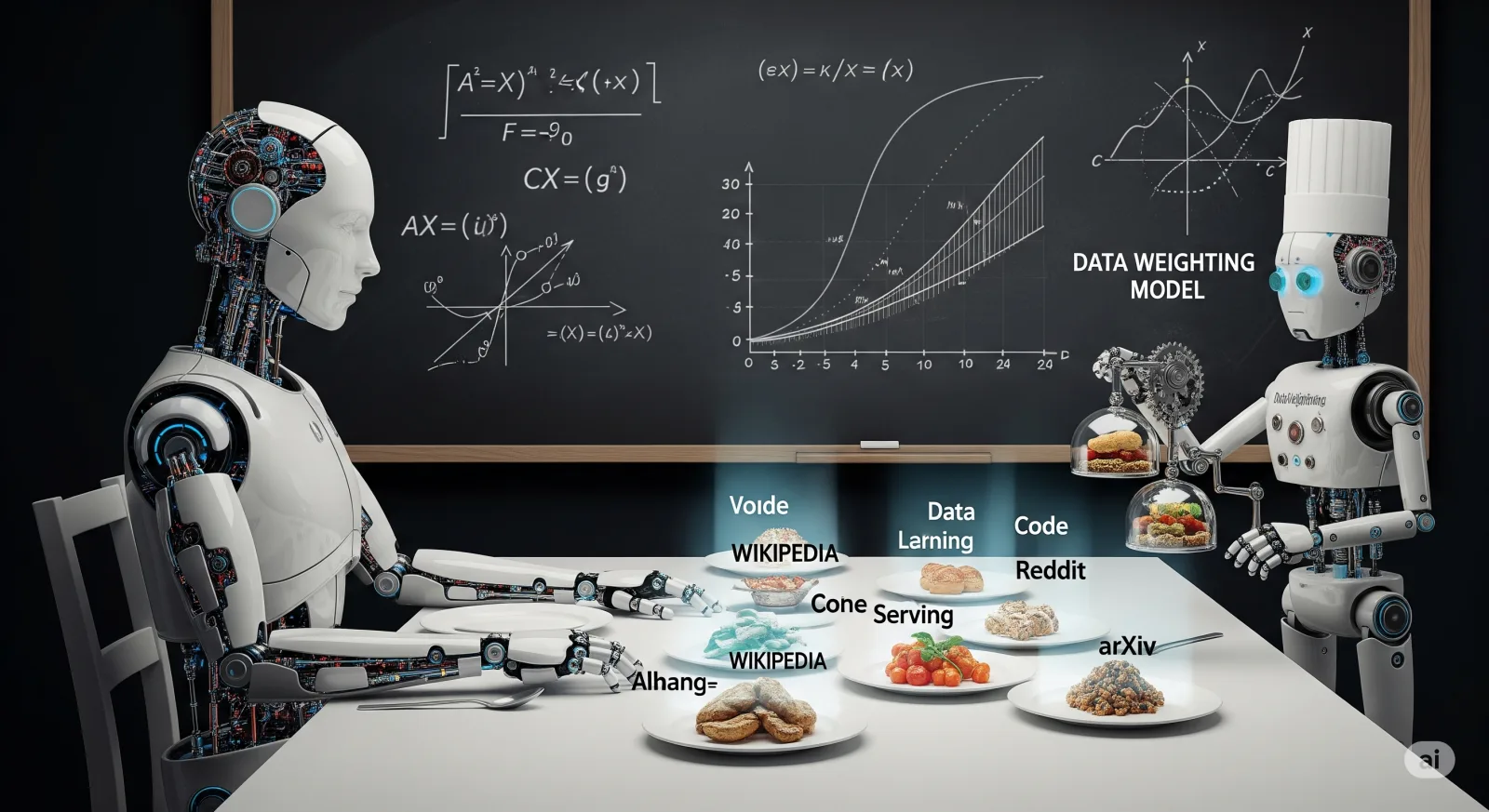
TL;DR for operators Training data is not a warehouse inventory problem. It is closer to nutrition. What helps a model early in pretraining may not be what helps it later, and a sample’s value can depend on the other samples sitting in the same batch. Obvious, perhaps. Operationalised? Less often. The paper behind this article, LLM Data Selection and Utilization via Dynamic Bi-level Optimization, proposes a Data Weighting Model, or DWM, that does not merely decide which data enters training. It assigns weights to samples within each batch, freezes those weights while the language model trains for a stage, then updates the weighting model using validation performance through a bi-level optimisation loop.1 ...

July 23, 2025 · 17 min · Zelina