Cover image

The First Hurdle: Why Coding Agents Struggle with Setup

TL;DR for operators Setup is where many AI coding-agent promises meet the concrete floor. The SetupBench paper introduces a 93-task benchmark that asks software engineering agents to do something less glamorous than writing a clever patch: start from a bare Linux sandbox, install what is missing, resolve dependency conflicts, initialise databases, configure services, and prove the environment works through a deterministic validation command.1 ...

July 15, 2025 · 16 min · Zelina
Cover image

Passing Humanity's Last Exam: X-Master and the Emergence of Scientific AI Agents

TL;DR for operators Benchmark wins usually arrive wrapped in the usual fog machine: bigger model, more data, more parameters, more destiny. The X-Master paper is more interesting because it is not mainly a bigger-model story.1 It is a systems story. The researchers take DeepSeek-R1-0528, a strong open-source reasoning model, and make it behave more like an agent by giving it a disciplined way to call tools during its own reasoning process. The key design choice is simple: use Python code as the interaction language. When the model needs to search, parse a paper, compute a value, or validate a hypothesis, it emits executable code; the system runs it; the result is inserted back into the context; the model continues reasoning. ...

July 8, 2025 · 16 min · Zelina
Cover image

Ping, Probe, Prompt: Teaching AI to Troubleshoot Networks Like a Pro

TL;DR for operators A network outage is not a single question. It is a sequence: probe reachability, inspect counters, compare paths, refine the hypothesis, ask for better telemetry, and decide whether to act. That sequence is exactly where static LLM benchmarks become rather ornamental. A model that can answer a configuration question offline is not necessarily an agent that can diagnose a live fault while the network keeps misbehaving. ...

July 6, 2025 · 16 min · Zelina
Cover image

Mind the Gap: Fixing the Flaws in Agentic Benchmarking

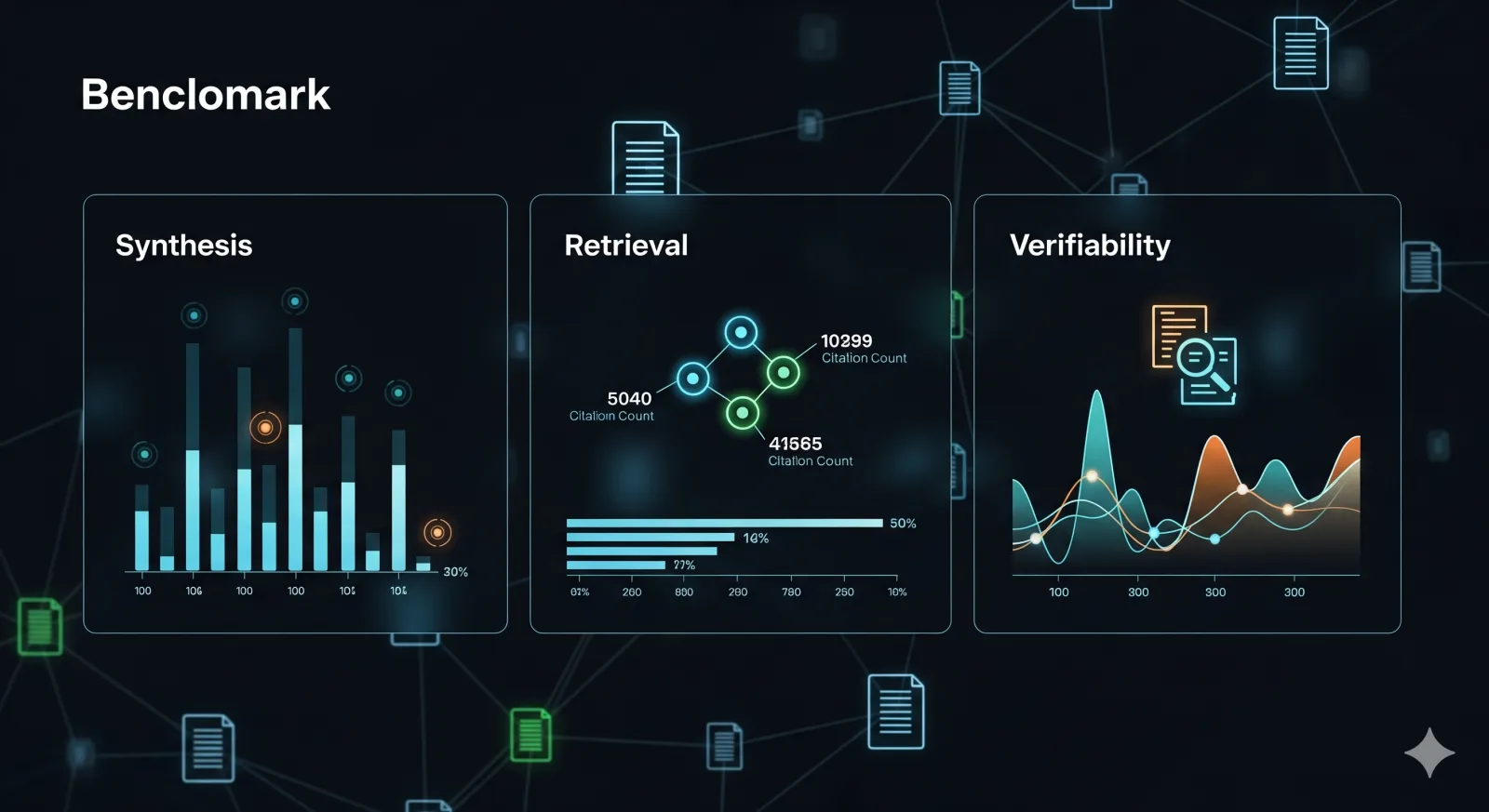
TL;DR for operators Agent benchmark scores are starting to function like procurement documents. They appear in model cards, vendor decks, research claims, and internal build-versus-buy decisions. The awkward finding in this paper is that some of those scores do not measure what buyers think they measure. Zhu et al. introduce the Agentic Benchmark Checklist, or ABC, to audit whether an agentic benchmark has valid tasks, valid outcome grading, and adequate reporting.1 Applying it to ten widely used agentic benchmarks, they find task-validity flaws in seven, outcome-validity flaws in seven, and reporting limitations in all ten. ...

July 4, 2025 · 15 min · Zelina
Cover image

Mind the Context: How ContextAgent Listens, Sees, and Acts Before You Ask

TL;DR for operators ContextAgent is not interesting because it imagines an assistant that talks before the user does. We already have enough software that talks before anyone asks. The interesting part is more disciplined: it tries to decide when an assistant should remain silent, when it should intervene, and which external tools it should call when intervention is justified. ...

May 21, 2025 · 17 min · Zelina
Cover image

Half-Life Crisis: Why AI Agents Fade with Time (and What It Means for Automation)

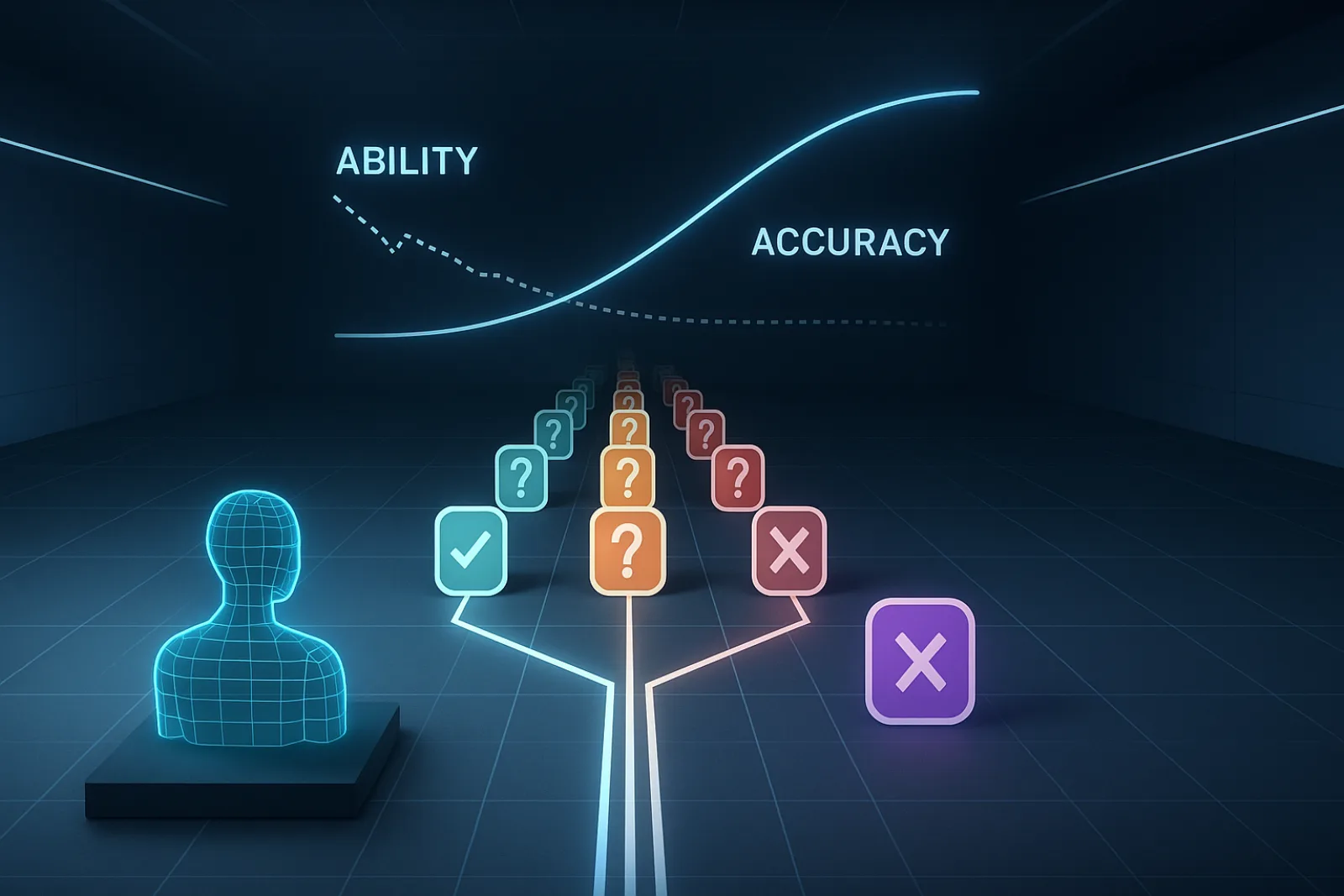
TL;DR for operators AI agents may not simply “get worse” on longer tasks. A better mental model is that every additional unit of human-equivalent task time adds another chance for the agent to fail. If that chance is roughly constant, success falls exponentially. That turns a cheerful benchmark number into a much less cheerful deployment number. Under Toby Ord’s constant-hazard interpretation of METR’s long-task data, an agent’s 50% success time horizon is its “half-life”: the point where half of attempts still succeed and half have already failed.1 The awkward part is what happens when a business needs 80%, 90%, or 99% reliability rather than a coin toss with better branding. ...

May 11, 2025 · 17 min · Zelina
Cover image

Body of Proof: Why Embodied AI Needs More Than One Mind

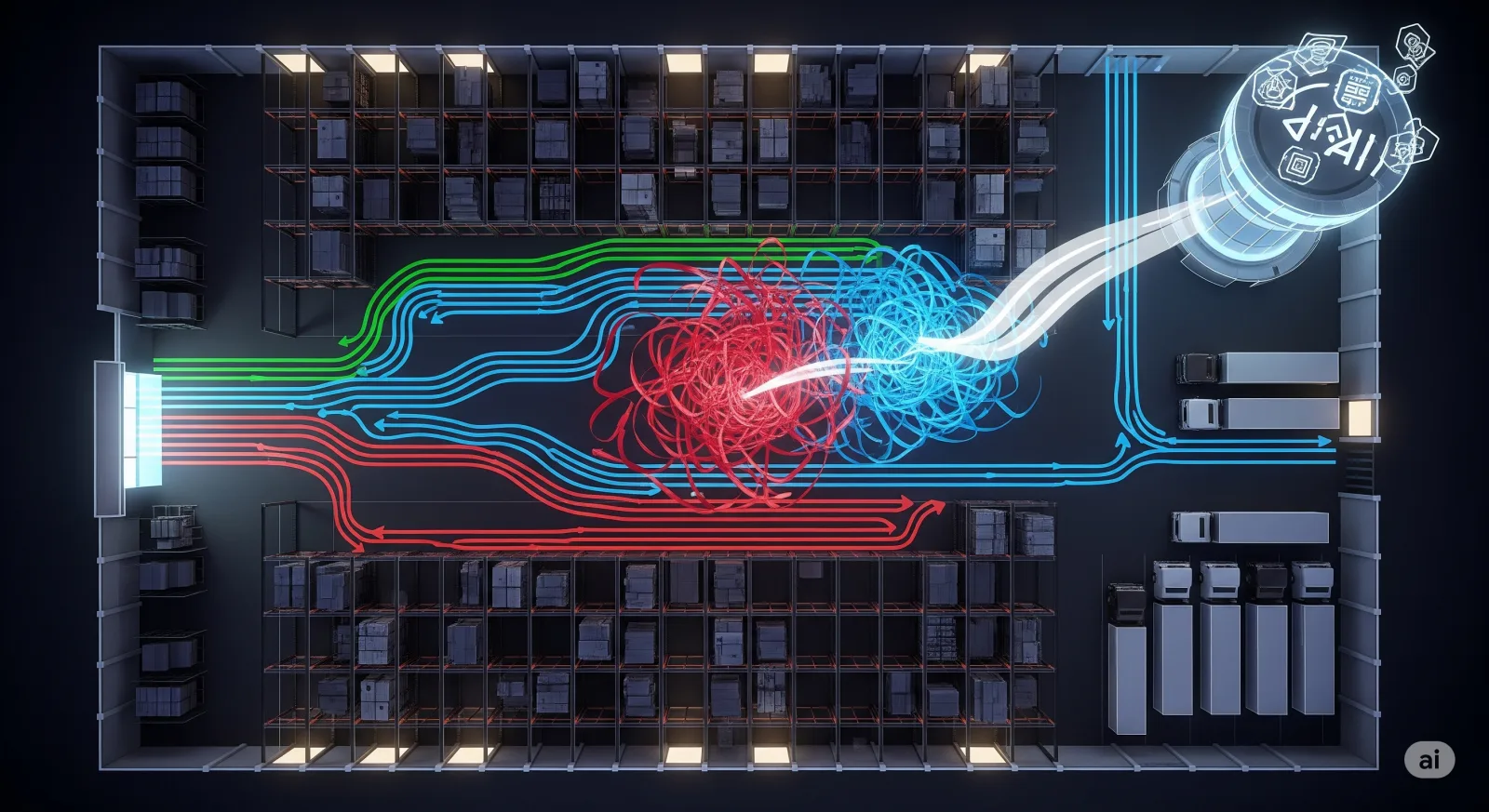
TL;DR for operators A robot that works alone is already expensive, brittle, and rude to your maintenance budget. A group of robots that must work together adds a different class of difficulty: timing, communication, role allocation, shared perception, physical interference, changing team composition, and the occasional human wandering into the scene with a clipboard. ...

May 9, 2025 · 15 min · Zelina
Cover image

Raising the Bar: Why AI Competitions Are the New Benchmark Battleground

TL;DR for operators A model score is not a certificate. It is a timestamp. That is the operational message of D. Sculley and co-authors’ position paper on GenAI evaluation.1 Their argument is not that every static benchmark is useless, nor that competitions are magical truth machines with leaderboards attached. The argument is sharper: GenAI has broken the old bargain behind machine-learning evaluation. ...

May 3, 2025 · 17 min · Zelina
Cover image

Unchained Distortions: Why Step-by-Step Image Editing Breaks Down While Chain-of-Thought Shines

TL;DR for operators Image-editing demos are easy. Ask a model to remove one object, recolour a jacket, or add a tasteful lamp, and most modern systems can produce something impressive enough for a product page and a LinkedIn post. Ask it to perform eight connected edits while keeping the original subject, layout, texture, lighting, and realism intact, and the polite showroom smile begins to crack. ...

April 21, 2025 · 16 min · Zelina