Cover image

When FX Gets a Mind of Its Own: Cognitive ATS Meets the EUR/USD Mirage

Forex has a talent for humiliating confident people. The market looks orderly enough on a chart: waves, levels, retracements, clean little indicators pretending they know where Europe and America are about to disagree next. Then a central banker speaks, an inflation print surprises, liquidity thins, and yesterday’s elegant setup starts looking like astrology with candlesticks. ...

November 22, 2025 · 15 min · Zelina
Cover image

When Markets Dream: The Rise of Agentic AI Traders

Liquidity is boring until it vanishes. Most investors notice market makers only when the screen suddenly looks thin: fewer bids, wider spreads, worse execution, and the faint smell of panic priced into every click. A market maker’s job is not glamorous. It quotes buy and sell prices, earns the spread, manages inventory, and tries not to become the proud owner of too much of the wrong asset at the wrong moment. Finance, as usual, rewards the person who stands calmly in the middle of everyone else’s urgency. ...

November 5, 2025 · 15 min · Zelina
Cover image

From Charts to Circuits: How TINs Rewire Technical Analysis for the AI Era

TL;DR for operators Trading platforms have spent decades giving users fixed technical indicators and then, more recently, neural models that treat those indicators as just another column in a feature table. Longfei Lu’s paper on Technical Indicator Networks, or TINs, proposes a different wiring job: make the indicator itself into the neural architecture.1 ...

August 3, 2025 · 14 min · Zelina
Cover image

The Sentiment Edge: How FinDPO Trains LLMs to Think Like Traders

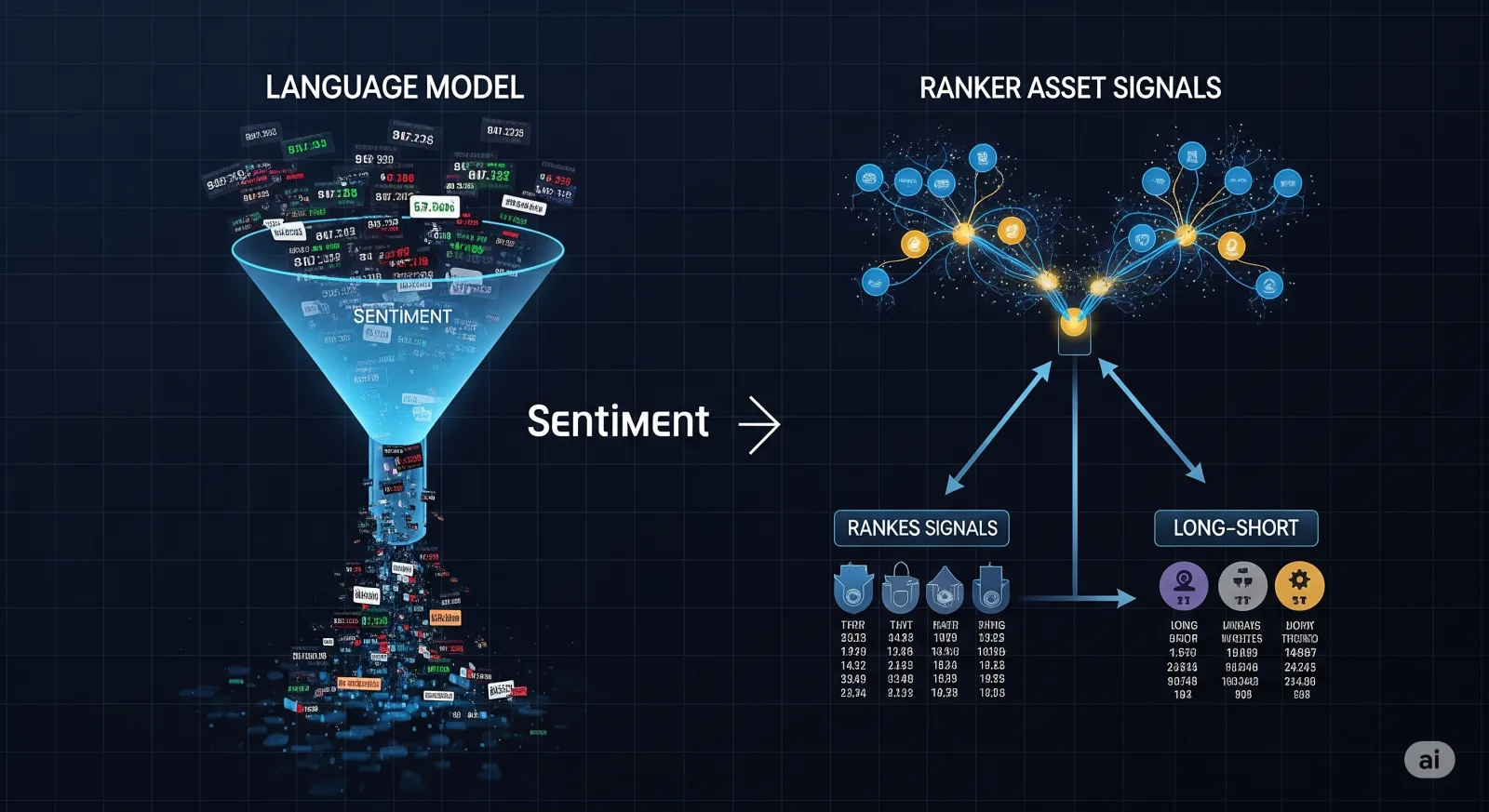
TL;DR for operators News is only useful when it survives the journey from headline to position sizing. FinDPO, proposed by Giorgos Iacovides, Wuyang Zhou, and Danilo Mandic, is a finance-specific Llama-3-8B-Instruct sentiment model trained with Direct Preference Optimization rather than ordinary supervised fine-tuning.1 The paper’s headline result is not merely that FinDPO scores well on sentiment benchmarks. Plenty of models win benchmarks, then politely disappear when transaction costs arrive. ...

July 27, 2025 · 14 min · Zelina
Cover image

Signals & Sentiments: How GPT-2 and FinBERT Beat Buy-and-Hold on the S&P 500

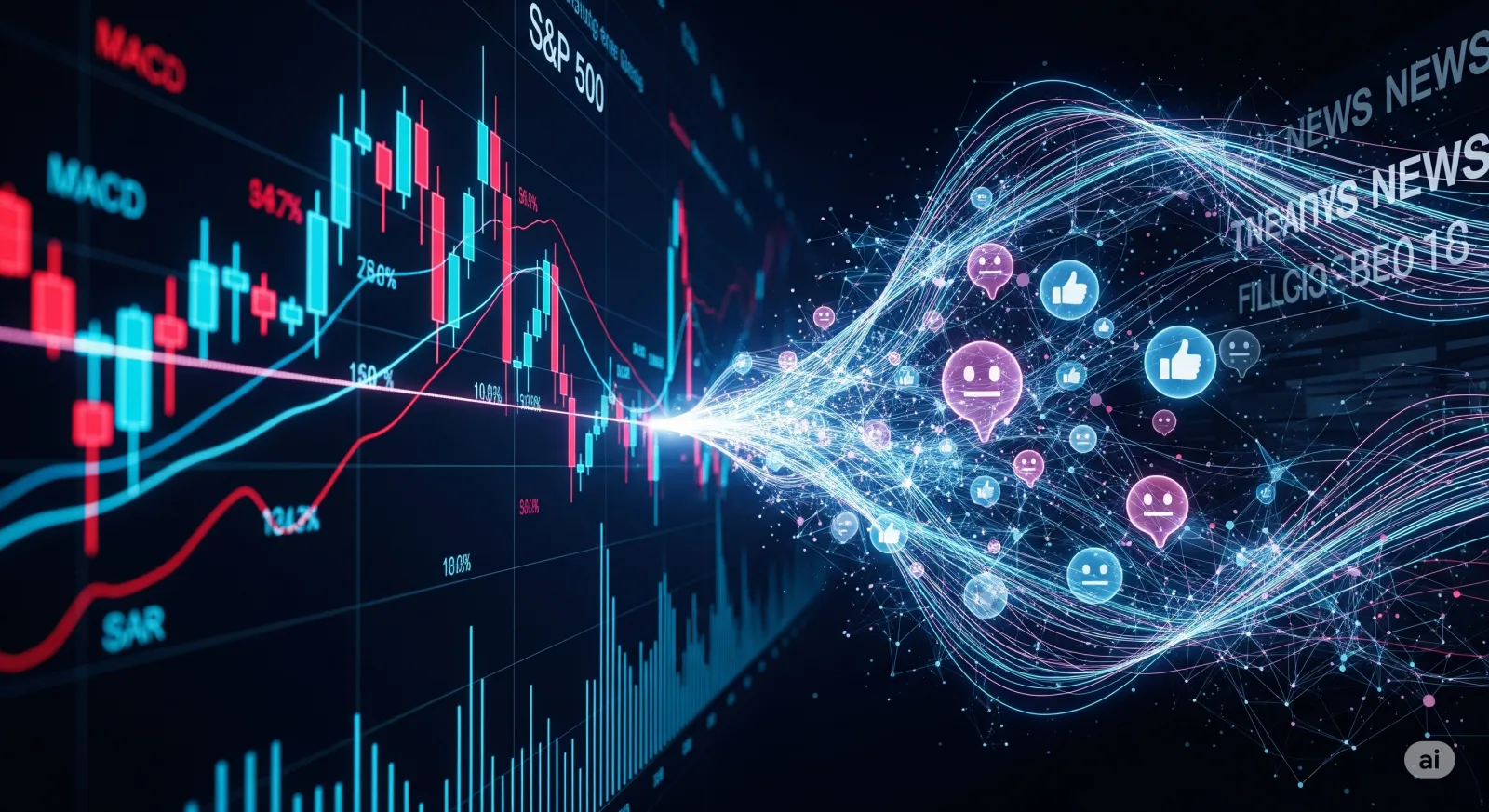
TL;DR for operators A recent arXiv paper tests whether financial-news sentiment from GPT-2 and FinBERT can improve S&P 500 trading when combined with technical indicators and time-series models.1 The strongest reported strategy, GPT-2 sentiment on Dow Jones news combined with VW MACD, returns 5.77% over the May 10-August 7, 2024 test period. The buy-and-hold benchmark returns -0.696% over the same window. ...

July 20, 2025 · 15 min · Zelina
Cover image

Causality Pays: A Smarter Take on Volatility-Based Trading

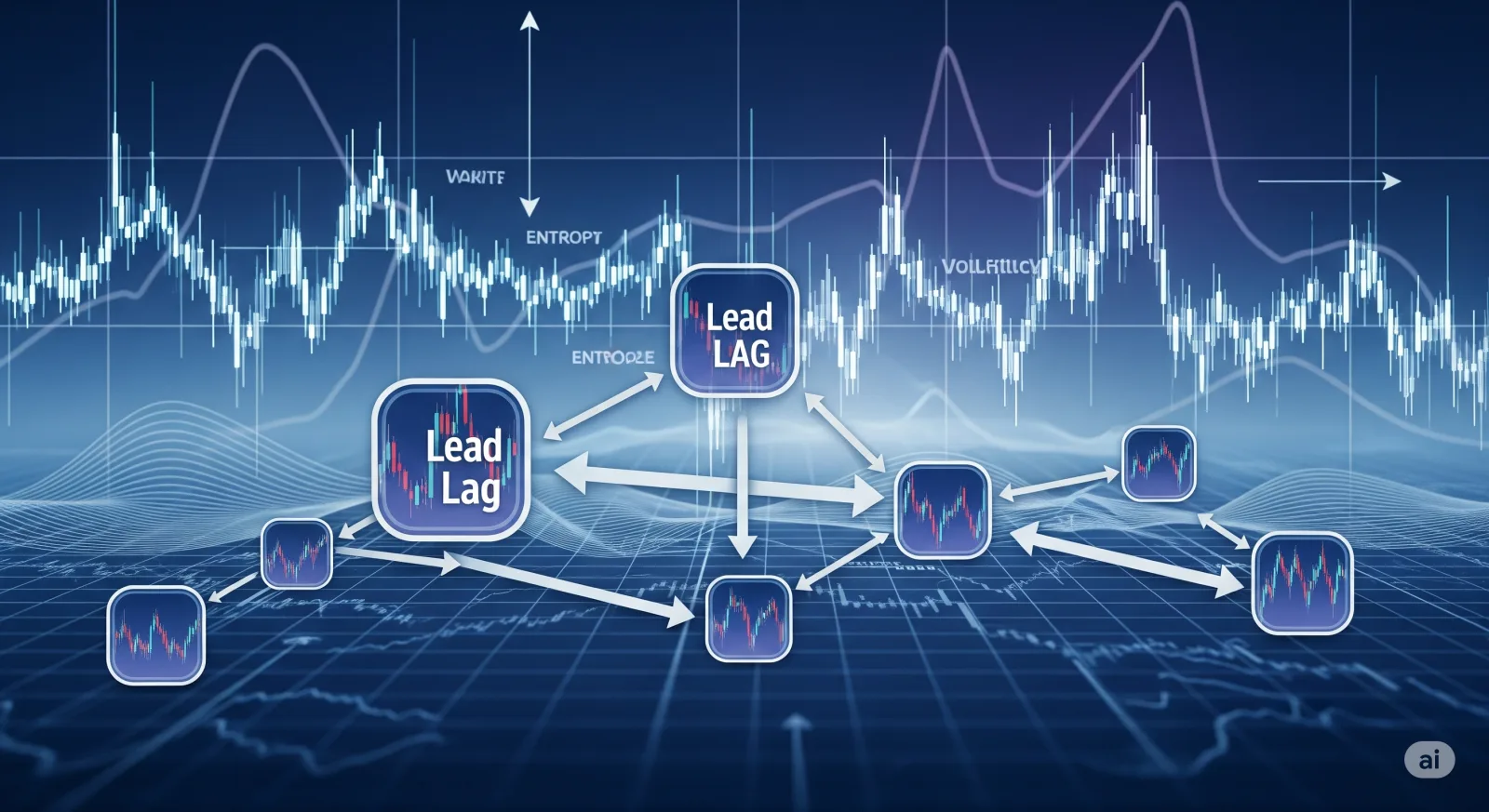
TL;DR for operators Volatility is usually treated as a risk input: measure it, size positions around it, and try not to get mugged by it before lunch. This paper treats volatility differently. It uses mid-range volatility to select stocks that are neither comatose nor explosive, then applies a causal-inference stack to find which stocks appear to move before others. ...

July 15, 2025 · 15 min · Zelina
Cover image

Overqualified, Underprepared: Why FinLLMs Matter More Than Reasoning

TL;DR for operators Finance AI is moving past the parlour trick stage. The interesting question is no longer whether a large language model can read a financial headline and produce a plausible answer. Of course it can. The useful question is whether that answer can be converted into a measurable, governed, risk-aware decision process without accidentally building a very expensive rumour amplifier. ...

April 20, 2025 · 16 min · Zelina