GitHub Resources from arXiv Digests
A monitored reference page for GitHub repositories surfaced from arXiv-paper digests, rendered from a machine-generated local data file.
A monitored reference page for GitHub repositories surfaced from arXiv-paper digests, rendered from a machine-generated local data file.

Immersive AI has a convenient myth: put a stronger multimodal model inside a headset, let it see what the user sees, and the future of work politely appears. Very cinematic. Slightly incomplete. The real problem is less glamorous and more operational. Extended-reality work is not just a visual scene. It is a long-running loop of perception, memory, reasoning, instruction, correction, confirmation, and physical effort. The model must understand what is happening over time. The human must still steer the system without becoming a tired thumb attached to a battery pack. ...

Microscopy has a labor problem. Not the photogenic kind where a scientist leans into a glowing instrument and discovers the secret architecture of life before lunch. The duller problem is that modern light sheet fluorescence microscopy can produce rich three-dimensional volumes faster than expert teams can label them. Segmentation requires voxel-level masks. Stain classification requires domain knowledge. Restoration needs paired degraded and high-quality images, which nature, unhelpfully, does not always provide in tidy folders. ...
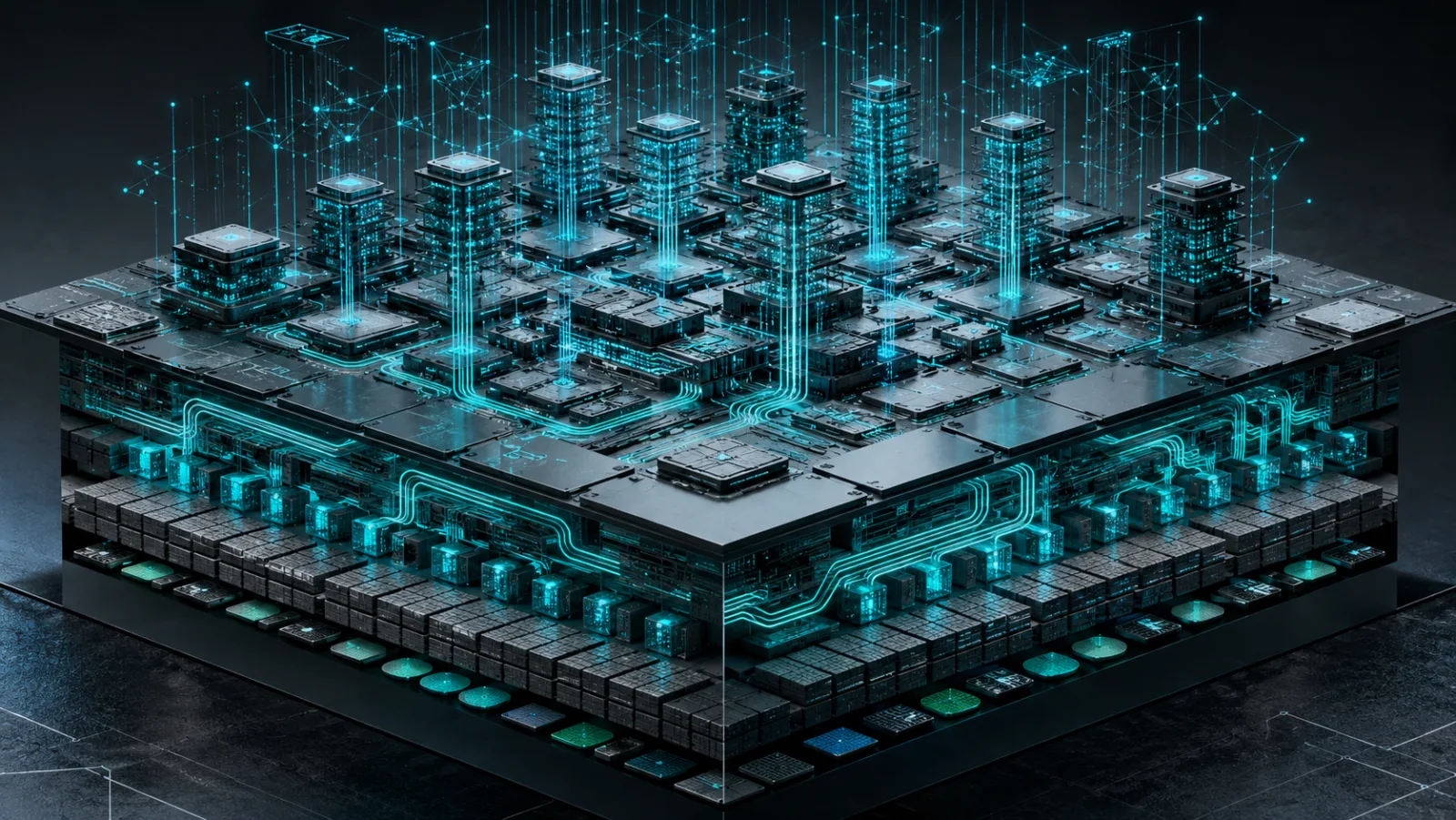
Compile Once, Train Later: Offline RL Moves Code-Model Verification Upstream Code assistants have a small accounting problem. Not the glamorous kind involving model capability, agentic workflows, or yet another dashboard with a glowing neural blob. The ordinary kind: every time a model proposes code during reinforcement learning, someone—or something—has to run it, test it, score it, and feed that score back into training. ...
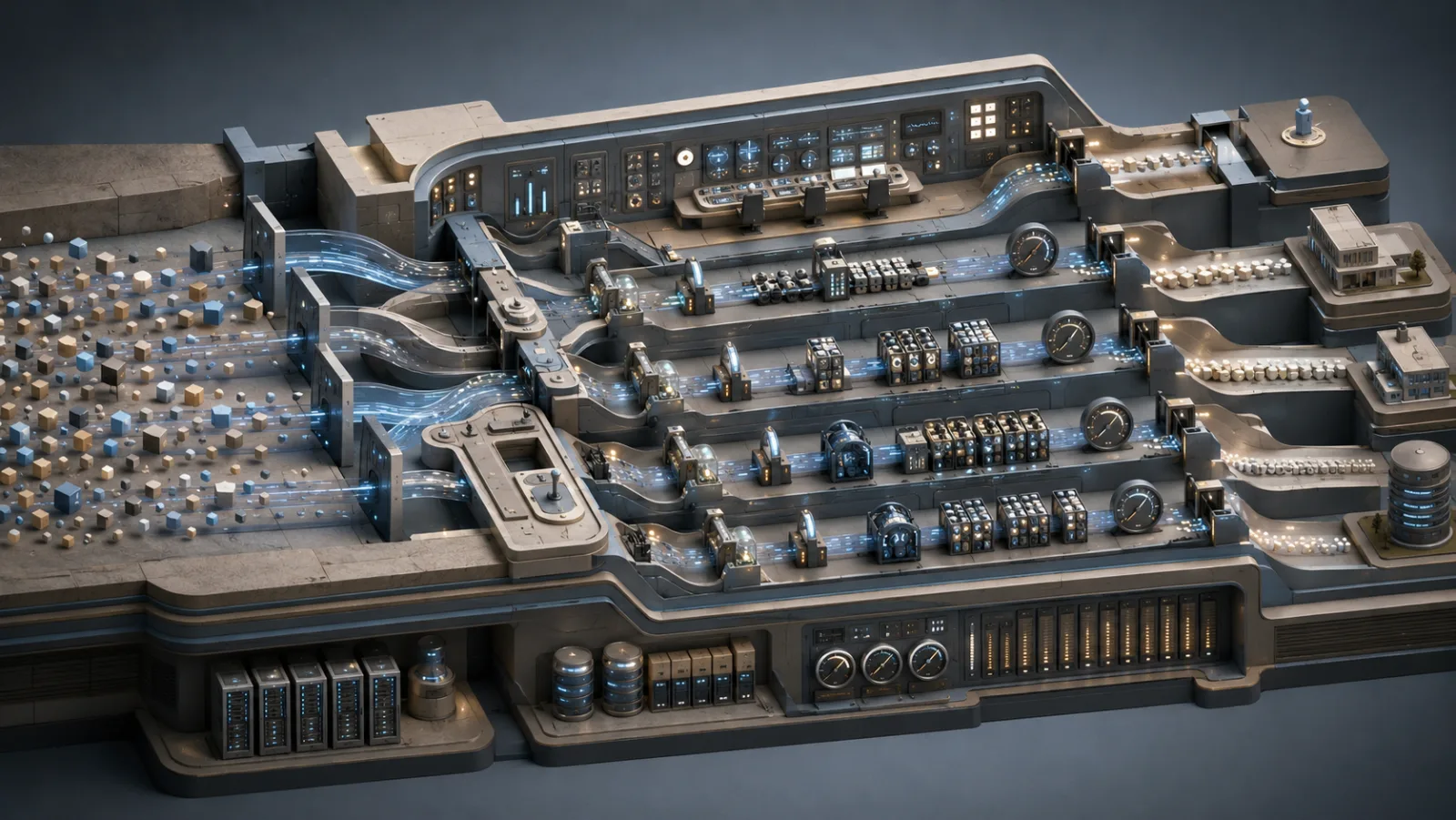
Most companies do not actually want an AI system that “thinks longer.” They want one that knows when extra thinking is worth the bill. That distinction is becoming more important. Reasoning models are moving from demo-stage math puzzles into document review, financial research, compliance analysis, customer support escalation, and agentic workflows. In these settings, reasoning has three costs: latency, compute, and misplaced confidence. A model that spends 30 seconds producing an elegant wrong answer has not reasoned. It has performed expensive theatre. Very fluent theatre, admittedly. ...

Opening — Why this matters now Enterprise AI is entering its less glamorous phase: not the demo, not the keynote, not the charming chatbot that answers three curated questions correctly, but the operational grind of making models behave reliably inside messy workflows. That grind usually runs into a familiar triangle. Full fine-tuning is powerful but expensive, operationally heavy, and often risky when the training set is narrow. Parameter-efficient fine-tuning, especially LoRA-style adaptation, is cheaper and easier to deploy, but the smallest adapters can hit a ceiling. Meanwhile, the business user does not care whether the adapter was elegant. They care whether the model stops making the same costly mistakes in invoicing, compliance review, customer support, code generation, or scientific triage. ...

A compliment is dangerous data. In a customer forum, “great service” may mean satisfaction. In a political thread, “what a brilliant decision” may mean the opposite. In a fan community, “this movie ticket was totally worth it—two hours that felt like five” is not a finance review. It is a small funeral for the viewer’s patience. ...
Help is not always helpful. Anyone who has managed a junior analyst, tutored a student, reviewed code, or trained a new employee knows the difference between solving a problem for someone and helping them become the kind of person who can solve the next one. The first option is faster. It feels generous. It clears the queue. It also quietly teaches the recipient a useful but dangerous lesson: difficult work should disappear as soon as help is available. ...
A daily dashboard for monitoring free AI inference providers, with curated vendor boards and a machine-refreshable OpenRouter free-model roster.

Surveys look simple because the final artifact is simple. A customer clicks “agree.” An employee rates burnout from one to five. A manager reads a dashboard that says trust, anxiety, satisfaction, or readiness has moved by 7%. Everyone behaves as if the hard part was collecting responses. That is the polite fiction. ...