AI for Proposal Drafting and CRM Handoff
How to draft proposals from approved commercial evidence and convert decisions into clean CRM and delivery handoffs.
How to draft proposals from approved commercial evidence and convert decisions into clean CRM and delivery handoffs.
A practical framework for understanding the economic trade-offs of AI systems, including model cost, response speed, review effort, and business payoff.
How to introduce AI into daily work without hiding role changes, reviewer load, incentives, or correction responsibility.
A blueprint for running fixed tests, comparing versions, recording reviewer evidence, monitoring production signals, and enforcing release gates.
A compact historical reference for the major phases, breakthroughs, and shifts that shaped modern AI.
A curated guide to textbooks, authors, websites, and papers for readers who want to study transformer internals, attention math, fine-tuning, GPU optimization, and benchmarking in more depth.
A reusable fictional company with cross-functional workflows and synthetic evidence for Academy exercises.
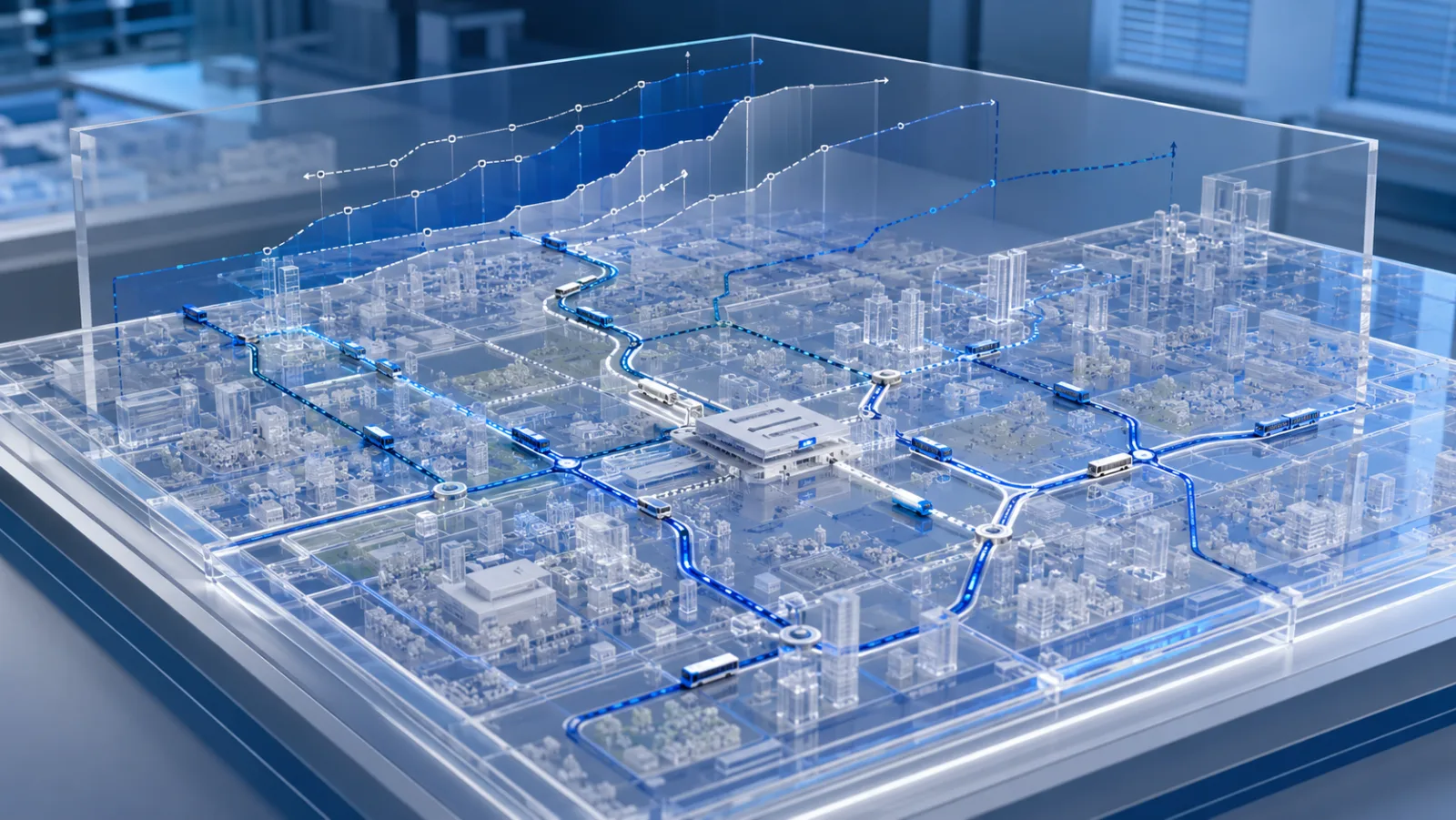
TL;DR for operators Bus route planning is a familiar kind of organisational pain: every local decision looks defensible until it interacts with the rest of the network. Add one promising segment, and you may improve coverage. Or you may create redundant overlap, force ugly transfers, consume fleet capacity, and make the whole system worse. Charming. ...

TL;DR for operators Food-image nutrition AI is usually sold as a vision problem: recognise the meal, estimate the portion, output the nutrients, preferably with a pleasant progress spinner. NutriMLLM suggests that this is only half right. The harder missing piece is not necessarily seeing the food. It is knowing the full nutrient profile once the food is identified. ...
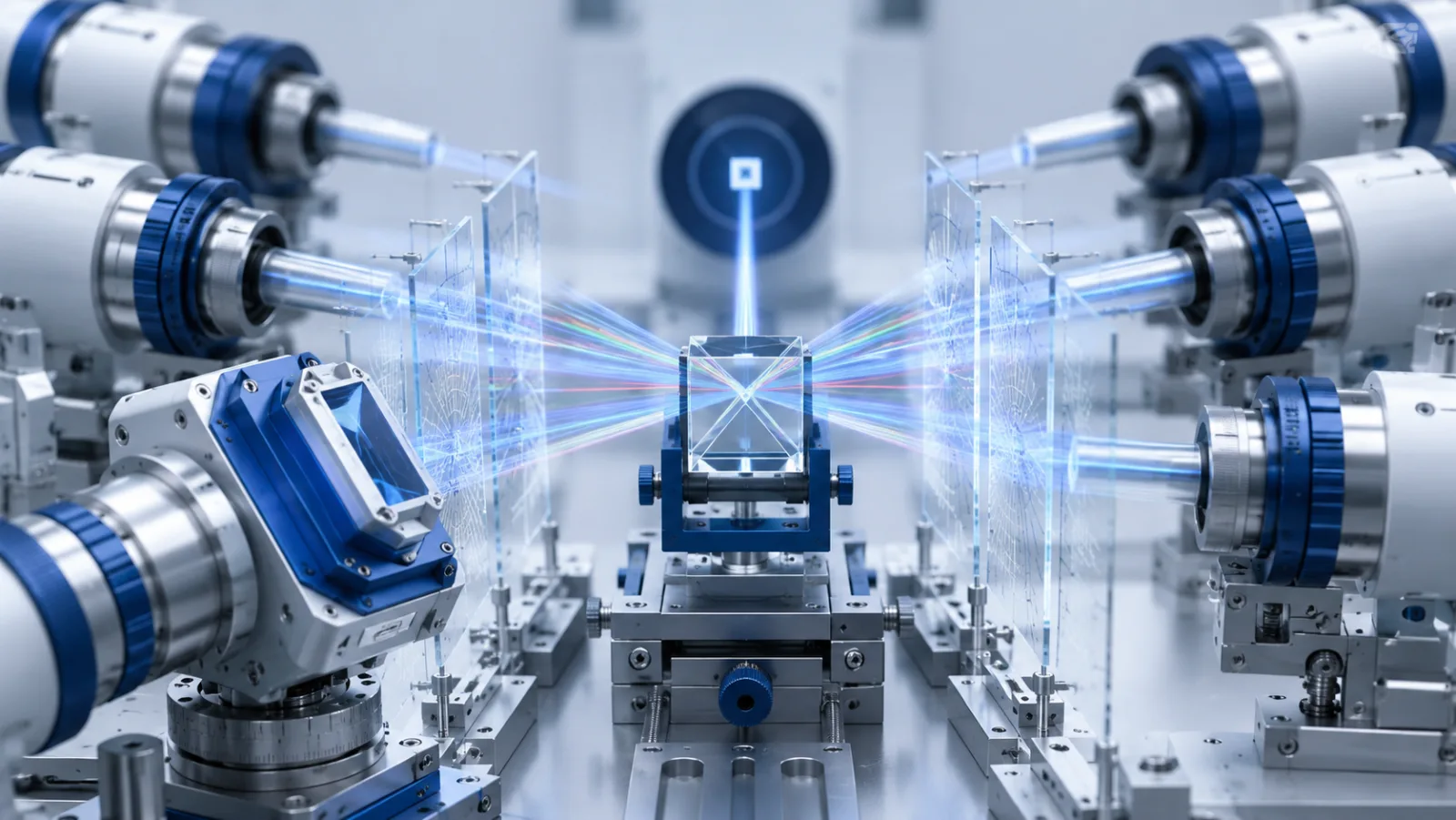
TL;DR for operators A standoff LWIR sensor is not looking through a clean window. It is negotiating with air. The paper Set-Based Transformer for Atmospheric Compensation in Standoff LWIR Hyperspectral Imaging proposes a lightweight Set-Transformer model for estimating three atmospheric compensation products from passive long-wave infrared hyperspectral measurements: range-specific transmittance, range-specific atmospheric path radiance, and a shared downwelling radiance spectrum.1 The operating idea is simple enough to be useful: instead of trusting one radiance measurement and asking a neural network to perform spectral divination, collect measurements from multiple standoff ranges and let their differences constrain the atmospheric inverse problem. ...