Cover image

Squeeze Evolve: When AI Stops Thinking Alone and Starts Allocating Intelligence

Budget is where many impressive AI demos go to become ordinary software. A model can reason longer. It can sample more. It can revise itself, compare candidates, aggregate outputs, and repeat the whole ritual until the invoice starts looking like a small infrastructure project. The obvious response is to ask whether the strongest model should simply do all of this work. Obvious, yes. Economically elegant, not quite. ...

April 11, 2026 · 21 min · Zelina
Cover image

Wide Thinking, Narrow Context: Why InfoSeeker Rewrites the Economics of AI Search

A spreadsheet is a cruel test of artificial intelligence. Not the toy spreadsheet used in demos, with six rows, three columns, and a suspiciously cooperative universe. I mean the kind of table a real analyst asks for: every qualifying supplier in a region, every product SKU released over a decade, every regulatory filing matching a narrow condition, every competitor with exact addresses, dates, sources, and no missing cells because apparently human suffering needs columns. ...

April 6, 2026 · 16 min · Zelina
Cover image

Stop Wasting Tokens: ESTAR and the Economics of Early Reasoning Exit

Tokens are tiny invoices. One reasoning model writes a long chain-of-thought, checks itself, circles back, restates the same conclusion in a slightly more spiritual tone, and then finally prints an answer. Another model reaches the same answer halfway through but keeps talking because nobody told it that the meter is still running. This is not philosophy. This is unit economics with better typography. ...

February 11, 2026 · 16 min · Zelina
Cover image

AI Didn’t Save the Economy — It Rented It

The economy did not become intelligent overnight Rent is a wonderfully clarifying word. When a company rents GPU capacity, it is not buying “AI magic.” It is paying for access to a physical production system: chips, servers, cooling, electricity, networking, land, software orchestration, and a pricing model that turns machine time into invoices. That invoice may look like a cloud bill. In national accounts, however, it becomes something more prosaic and more useful: consumption, investment, exports, government expenditure, or an intermediate input. ...

January 20, 2026 · 20 min · Zelina
Cover image

Bottleneck or Breakout? Modeling the Compute Barrier to AI's Intelligence Explosion

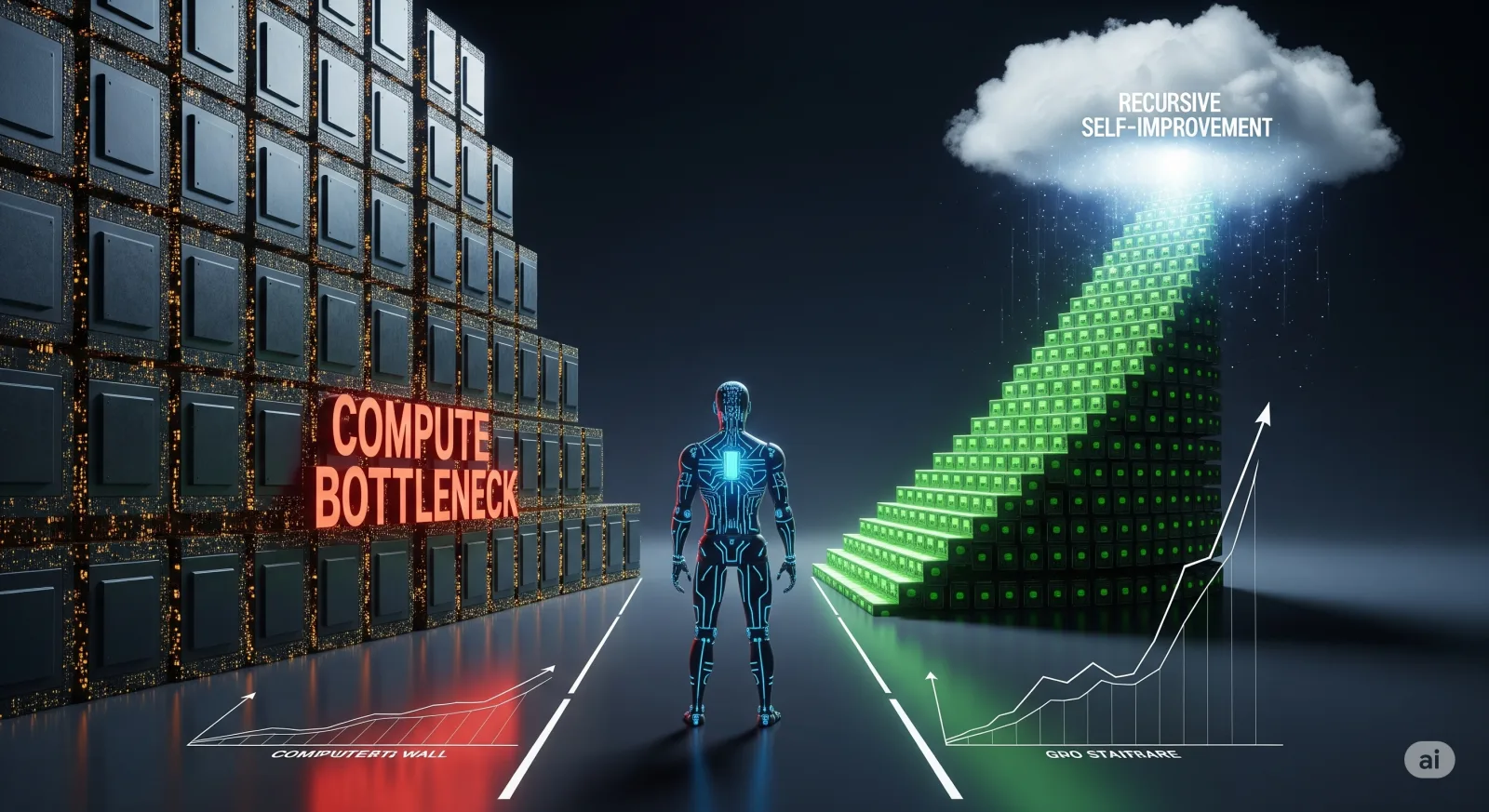
TL;DR for operators The practical question is not whether AI will “think itself into godhood by Tuesday”. Charming as that spreadsheet would be, this paper is doing something narrower and more useful. Whitfill and Wu ask whether a software-only intelligence explosion can survive a compute bottleneck: if AI systems become good enough to replace human AI researchers, can that extra cognitive labour keep improving AI without a matching increase in research compute?1 ...

August 3, 2025 · 16 min · Zelina
Cover image

The Invisible Hand in the Machine: Rethinking AI Through a Collectivist Lens

TL;DR for operators Users do not experience an AI product as a theorem. They experience it as a bargain. They give data, attention, labour, trust, prompts, feedback, documents, creative work, behavioural traces, and sometimes money. In return, they expect useful output, lower friction, safer decisions, visibility, compensation, privacy, or at least not being quietly turned into unpaid infrastructure. The bargain may be explicit. More often, because apparently we enjoy building planetary-scale systems on implied consent and vibes, it is not. ...

July 10, 2025 · 17 min · Zelina
Cover image

Beyond the Pareto Frontier: Pricing LLM Mistakes in the Real World

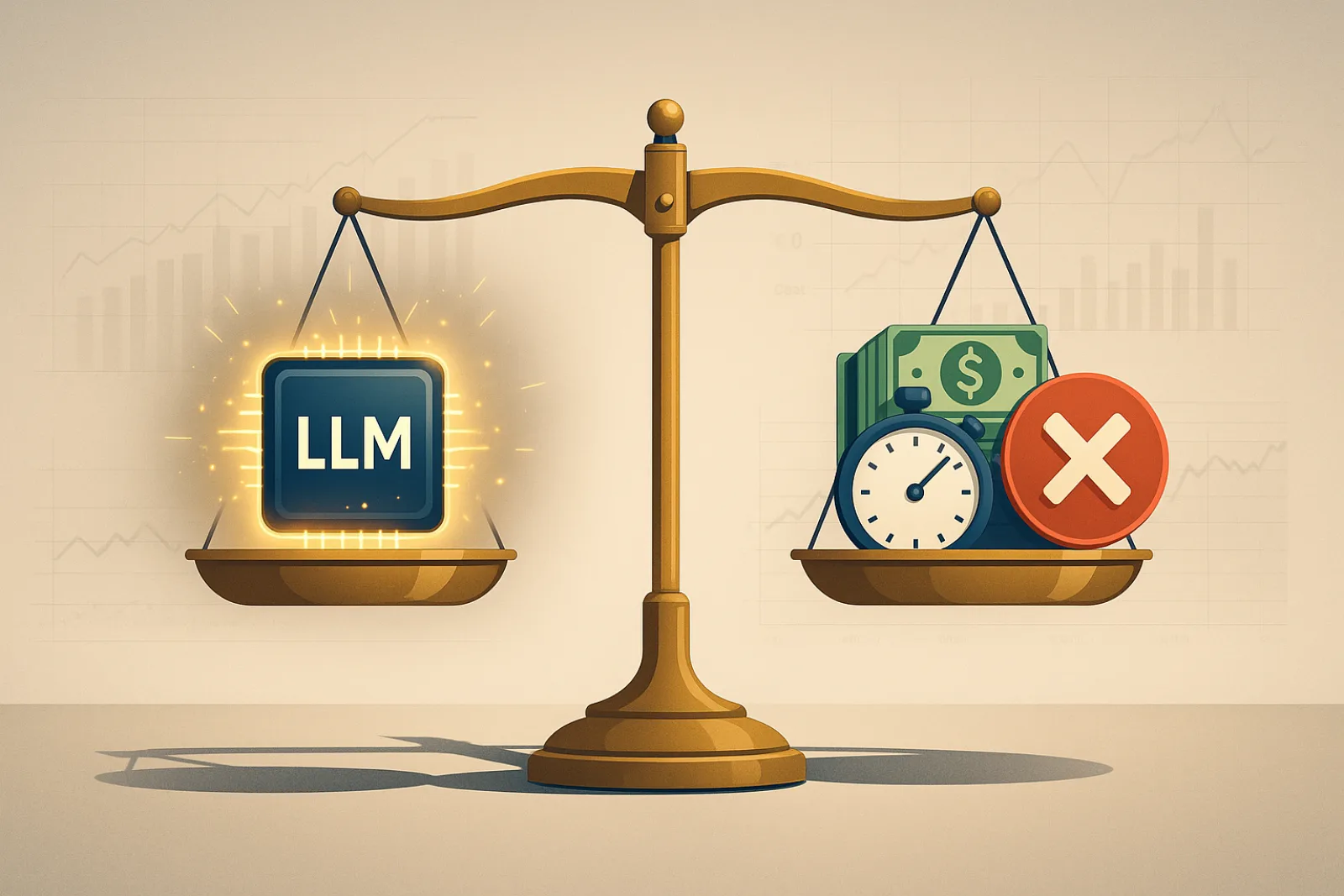
TL;DR for operators Most model-selection dashboards still ask the wrong question. They ask which LLM gives the best accuracy for the lowest inference cost. Zellinger and Thomson’s paper asks a more operationally honest one: how much does a wrong answer, a slow answer, or no answer cost in this specific workflow?1 The paper’s useful move is to convert competing performance metrics into a single expected dollar reward. Inference cost stays in dollars. Latency gets priced in dollars per second or minute. Errors get priced by their business consequence. Abstention gets priced by the cost of failing to answer or escalating to a human. Once everything is in the same unit, the “best model” is no longer the one that looks attractive on a Pareto plot. It is the model with the highest expected reward under the actual economics of the task. ...

July 8, 2025 · 19 min · Zelina
Cover image

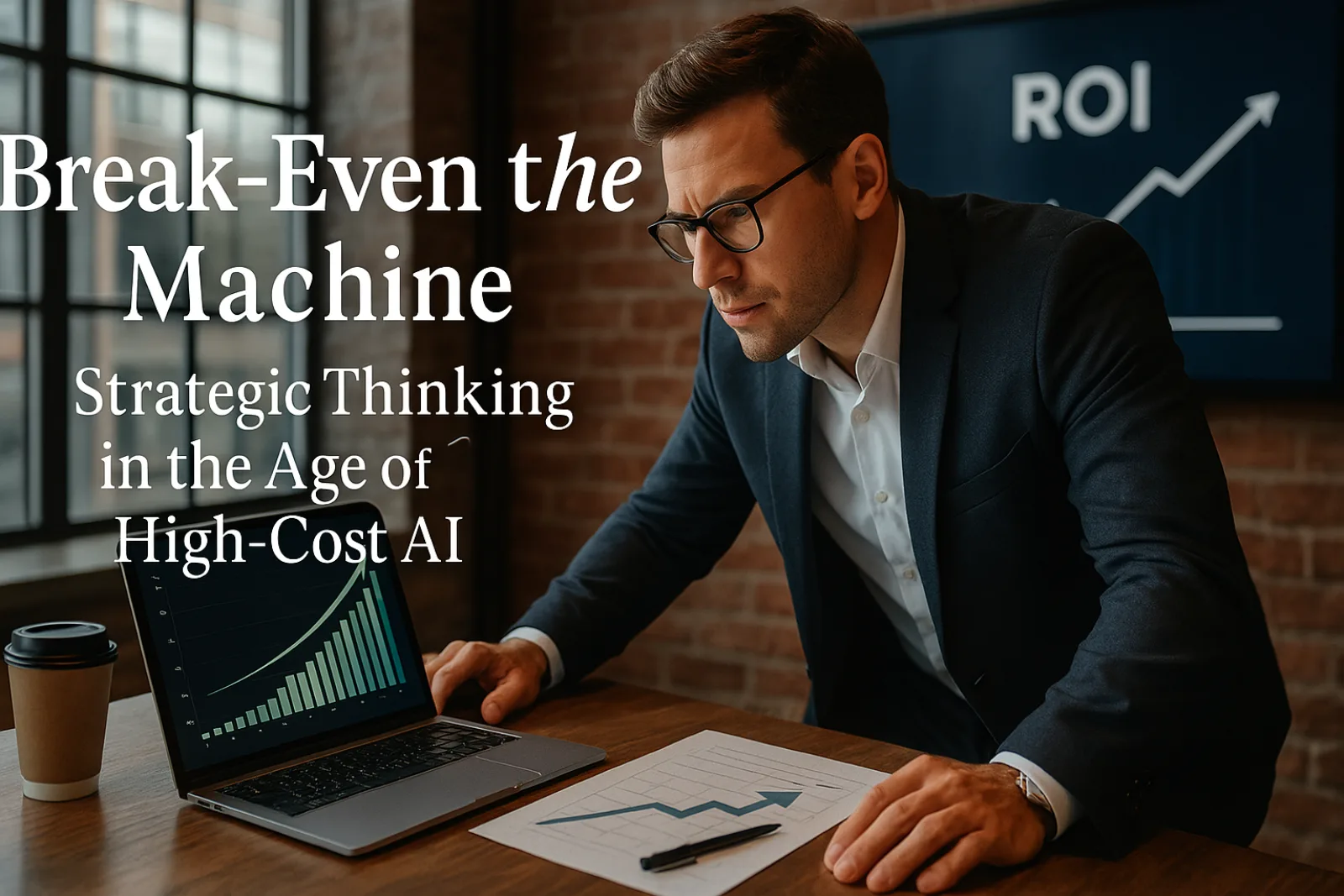
Break-Even the Machine: Strategic Thinking in the Age of High-Cost AI

TL;DR for operators The real AI cost question is not “Which model is cheapest?” It is “Which workflow delivers acceptable outcomes at the lowest verified total cost?” Token price is only the most visible line item. The less photogenic costs are retries, review, integration, monitoring, compliance, vendor lock-in, and the small corporate tragedy known as “we saved money on inference and spent it all on fixing nonsense.” ...

March 27, 2025 · 13 min · Zelina