Cover image

The Room Remembers, the Model Forgets

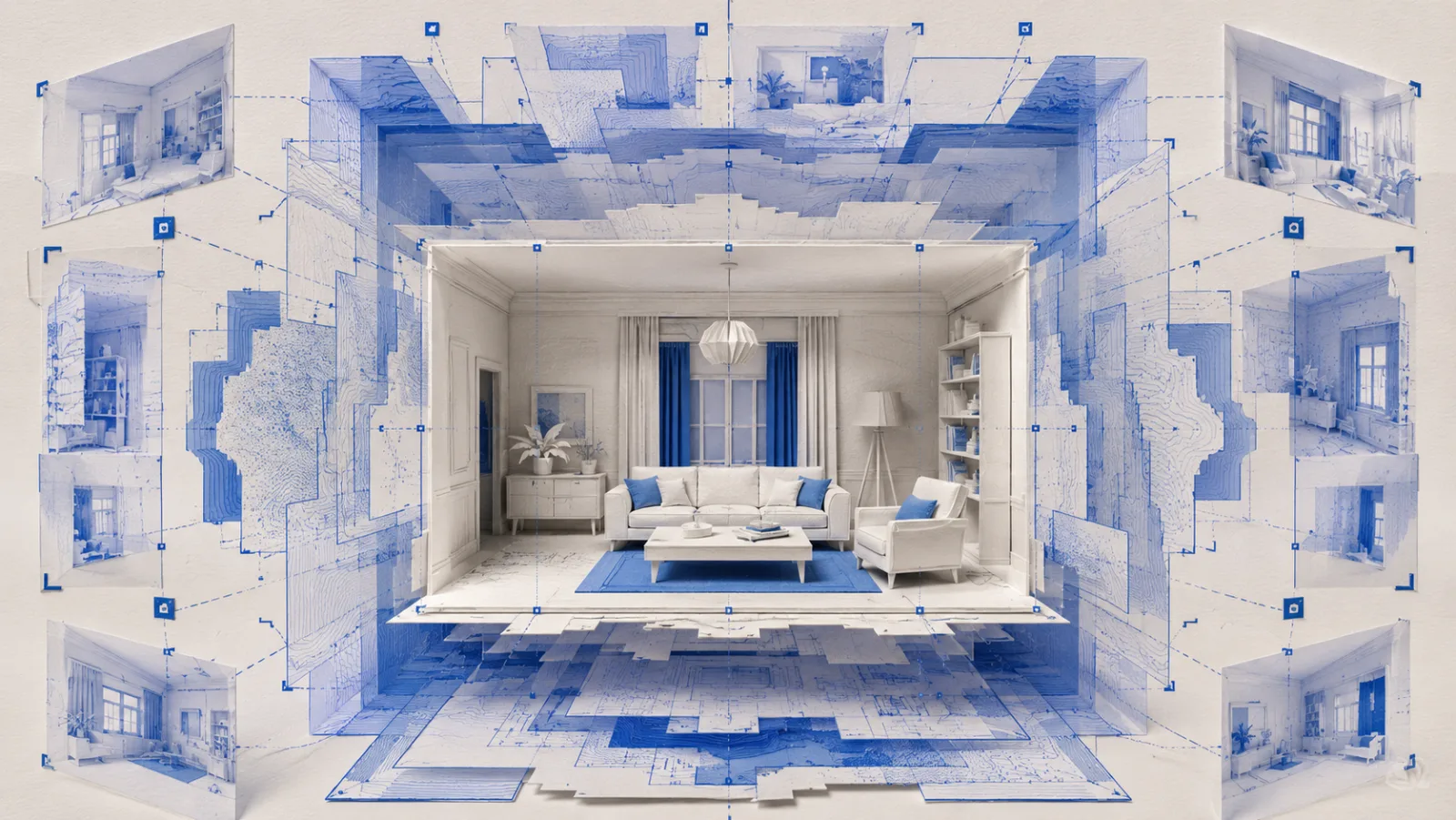
TL;DR for operators A room-tour video is a deceptively simple test for a video model. The objects do not explode, the camera does not enter a car chase, and nobody asks the model to perform cinematic philosophy. The hard part is duller and therefore more operationally relevant: the model must remember where things were, how rooms connected, what changed, and which earlier view matters now. ...

July 2, 2026 · 17 min · Zelina
Cover image

Stage Before You Shoot: Why Reliable AI Needs a Middle Game

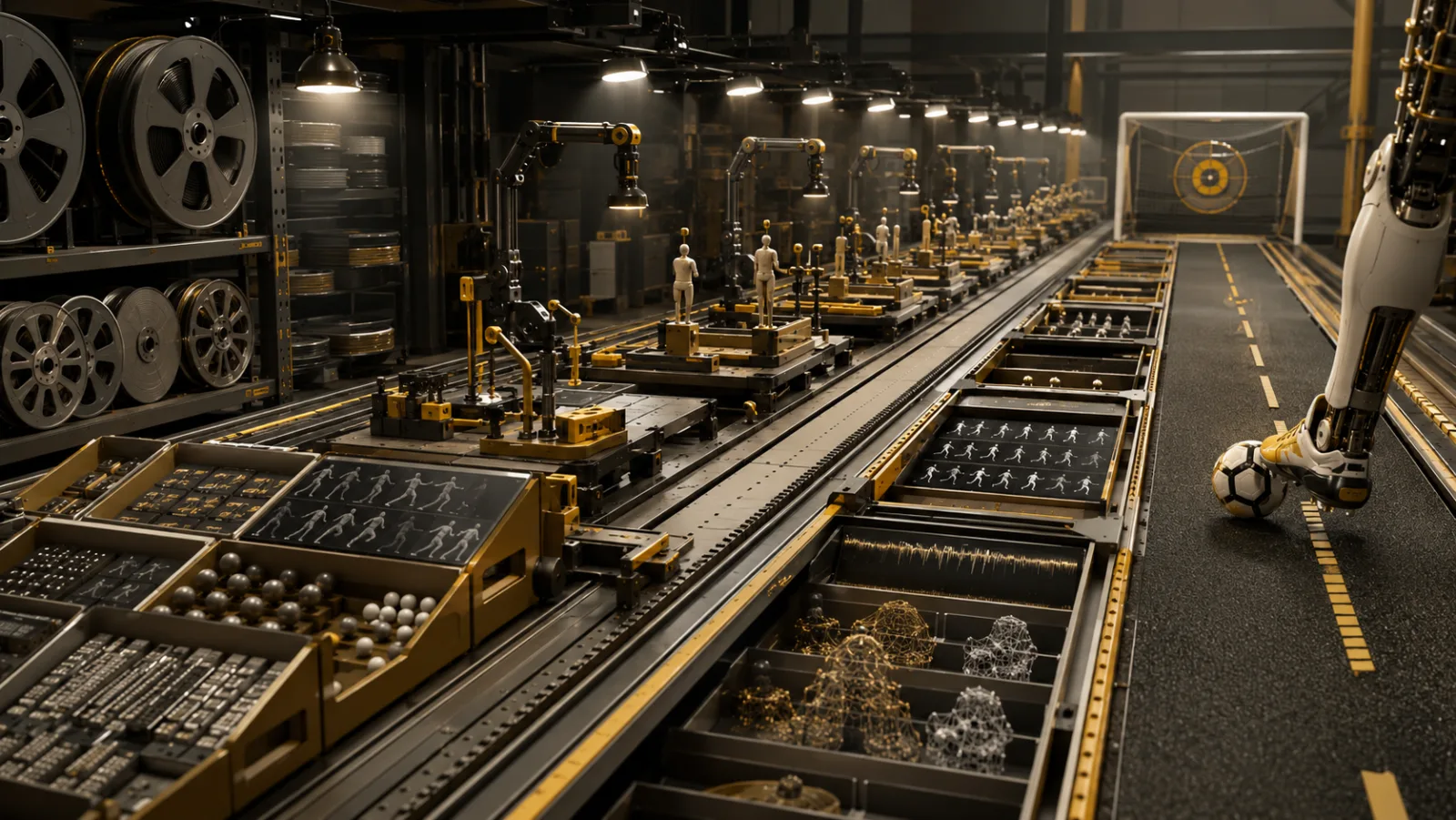
TL;DR for operators AI systems are increasingly being asked to work in messy, high-dimensional environments: long video archives, multilingual evidence, persona-specific retrieval, humanoid motion, physical contact, timing, perception, and real-world deployment. The temptation is familiar: throw a stronger model at the whole thing and hope intelligence leaks out of the parameter count. Charming. Also expensive. ...

June 29, 2026 · 18 min · Zelina
Cover image

Mind the Readout: Why AI Gets Smarter When We Stop Worshipping the Output

The current AI industry has a strangely theatrical relationship with intelligence. We judge models by the visible performance: the answer they print, the image they reconstruct, the attention map they expose, the number of reasoning steps they perform, the architectural flourish in the diagram. If the output looks sophisticated, we call the system capable. If the output looks wrong, we assume the capability is missing. This is convenient, measurable, and often completely misleading. Naturally, it is popular. ...

June 13, 2026 · 15 min · Zelina
Cover image

Rewarding Behavior: Why Enterprise AI Needs More Than Bigger Models

Enterprise AI teams have developed a familiar reflex. When the model behaves unreliably, they try a better prompt. When that fails, they try a larger model. When that becomes expensive, they invent a workflow diagram with many arrows and call it an operating model. Very dignified. Very scalable, in the same way that adding more sticky notes to a broken process is scalable. ...

June 10, 2026 · 17 min · Zelina
Cover image

Pooling Resources: UniPool and the MoE Budget Nobody Wanted to Audit

Opening — Why this matters now AI infrastructure has entered its spreadsheet era. Not the glamorous spreadsheet, where revenue projections grow diagonally upward and nobody asks where the assumptions came from. The other spreadsheet: the one where compute cost, memory footprint, inference latency, training instability, and model quality all insist on appearing in the same row. ...

May 9, 2026 · 16 min · Zelina
Cover image

Eyes Wide Compute: Why Physical AI Needs Better Senses, Not Bigger Models

Camera first. Model second. That is not how most AI roadmaps are written. The usual enterprise recipe is tidier: pick a bigger model, add a cloud endpoint, compress something if the bill becomes embarrassing, then declare the system “edge-ready.” This works tolerably well when the input is a clean document, a database row, or an already-captured image. It works less well when the input is a moving camera in a dark warehouse, a microphone beside a noisy motor, a tactile pad on a robot gripper, or smart glasses trying to understand the world before the battery starts writing its resignation letter. ...

April 16, 2026 · 18 min · Zelina
Cover image

Dead Weights, Live Signals: When Frozen Models Start Talking

A model is usually treated like a finished machine. You send text in, get text out, and pretend the interesting part happens somewhere behind a curtain. If the answer is weak, the industry has a familiar menu: prompt harder, fine-tune, route to a bigger model, or pay the tax of yet another orchestration layer. Very elegant, in the way a pile of adapters behind a monitor is elegant. ...

April 12, 2026 · 17 min · Zelina
Cover image

Mind the Cut: Where Your AI Strategy Quietly Breaks

Tool calls look clean in a demo. A user asks for something. The model thinks. A browser opens. A database is queried. A spreadsheet is updated. A draft email appears. Everyone smiles, because apparently we now have an “AI agent.” Then the production version fails for a reason that is somehow both tiny and catastrophic: a tool schema was renamed, a memory field was serialized differently, a retry policy changed, a prompt template compressed one instruction too aggressively, or a guardrail blocked the wrong intermediate step. The model did not become stupid overnight. The architecture quietly moved the steering wheel. ...

April 11, 2026 · 17 min · Zelina
Cover image

Memory Is the New Attention: Why Hopfield Networks Are Sneaking Back Into Vision AI

Opening — The model remembers before it reasons A factory inspection system does not need to rediscover what a cracked surface looks like every time a new image arrives. A medical imaging assistant should not treat every blurry scan as an isolated puzzle. A satellite-image classifier, looking at a half-clouded field, would be more useful if it could ask a quiet internal question: what stored visual pattern does this partial evidence resemble? ...

March 29, 2026 · 19 min · Zelina
Cover image

Soft Logic, Hard Results: When Neural Networks Learn to Reason Without Solvers

The spreadsheet rule that never quite reaches the model Rules are everywhere in business software. An invoice total must match its line items. A loan file must contain the right documents before underwriting. A production schedule cannot assign the same machine to two jobs at the same time. A compliance workflow may tolerate uncertainty in OCR, but not uncertainty about whether a prohibited combination of fields has appeared. ...

March 21, 2026 · 15 min · Zelina