Cover image

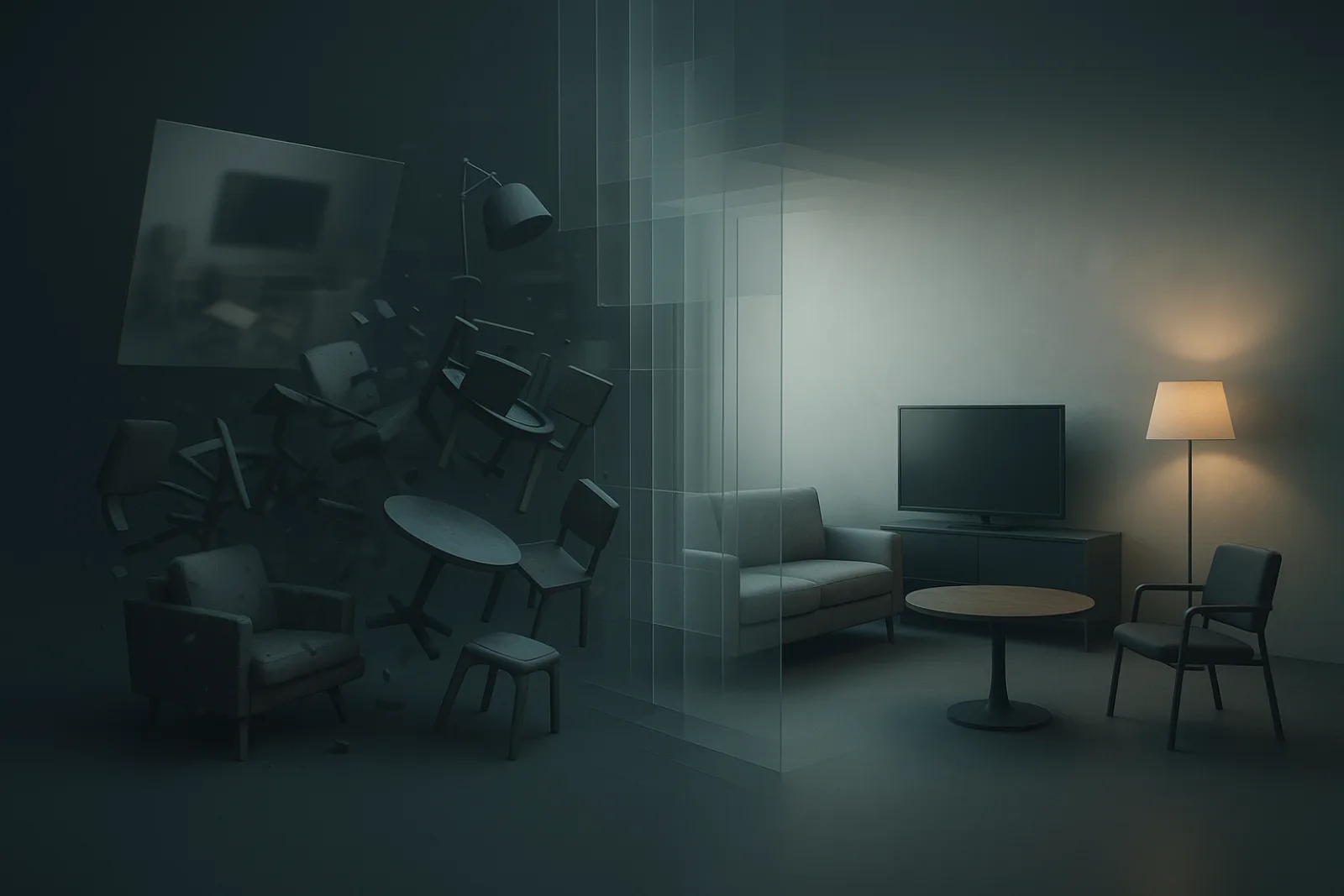
Furniture Has a Chain of Command: Why Dense Scene AI Needs Object Roles, Not One Bigger Generator

Furniture is not democratic. In a real room, the bed, sofa, dining table, and cabinet do not play the same role as the pillow, lamp, monitor, mug, or miniature ornament. Large furniture defines the room’s usable structure. Smaller objects depend on that structure. A chair can stand around a dining table; a book sits on a shelf; a lamp belongs near a bed or desk. The room has a hierarchy before the model begins to generate anything. ...

June 12, 2026 · 16 min · Zelina
Cover image

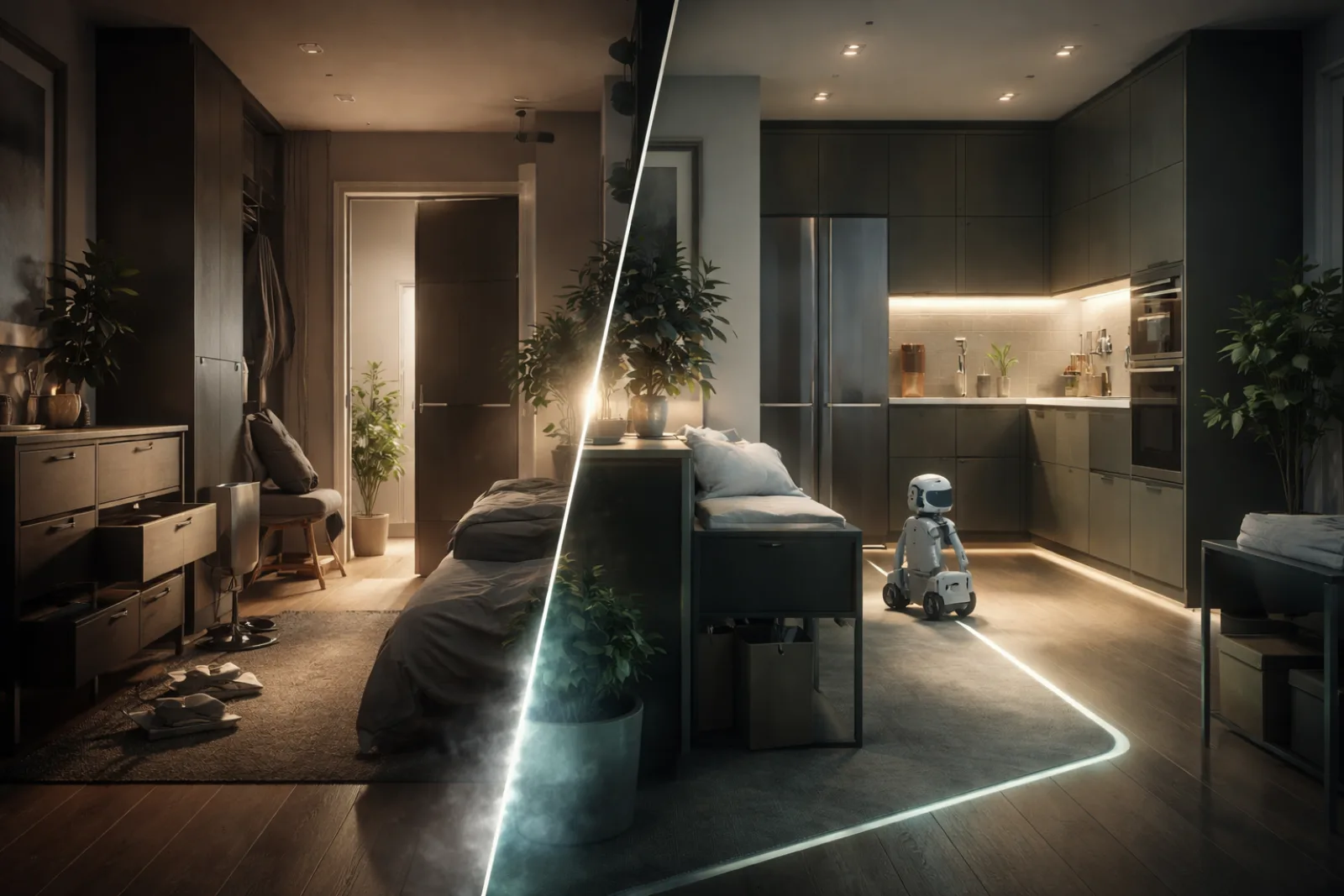
When Diffusion Learns How to Open Drawers

A drawer is a small test of whether a generated world is lying. A rendered apartment can look plausible from the camera angle. The sofa is against a wall, the table is centered, the cabinet has a tasteful texture, and the lighting politely pretends that nothing is wrong. Then a robot tries to open a drawer and discovers that the drawer path intersects the bed. Or a chair is placed so close to a cabinet that neither object can actually be used. The scene was visually acceptable. It was operationally useless. ...

January 14, 2026 · 17 min · Zelina
Cover image

RL Grows a Third Dimension: Why Text-to-3D Finally Needs Reasoning

A chair is not a picture of a chair. That sounds obvious until a text-to-3D system forgets the backrest from one angle, gives the chair three legs from another, paints the seat correctly, and somehow convinces a weak evaluator that the job is mostly done. In 2D generation, a model can often survive by producing a plausible view. In 3D generation, every view is a witness. Geometry, texture, object parts, and spatial relationships all have to agree. Annoying, yes. Also the entire point. ...

December 13, 2025 · 16 min · Zelina
Cover image

SceneMaker: When 3D Scene Generation Stops Guessing

A chair behind a table is not half a chair A single image can be a very rude input. It shows the front of a room, hides the back of objects, compresses depth into pixels, and then asks a model to produce a coherent 3D scene. The model must decide what the hidden side of a chair looks like, how large the chair is, whether it sits behind the table or intersects with it, and where everything belongs in 3D space. Naturally, when the result looks wrong, we often blame “weak 3D generation.” ...

December 13, 2025 · 15 min · Zelina