
Route Cause Analysis: Stop Sending Every AI Failure to Training
Three research projects show how to diagnose AI failures, route each fix to the right system layer, and verify whether the resulting workflow actually works.
Three research projects show how to diagnose AI failures, route each fix to the right system layer, and verify whether the resulting workflow actually works.

A large-scale study shows that long-context AI often retrieves the right facts but misses the local rules that determine whether its answer is actually valid.

Faster video generation is commercially useful only when optimization is paired with specialized checks for the failures aggregate quality scores overlook.

Three papers show how businesses can improve AI reliability by placing exact rules, domain structure, and deployment calibration in the layers best equipped to handle them.

Two very different AI systems reveal the same production lesson: continuity depends on preserving the right state, not retaining the entire past.

Two studies reveal how AI capability and credibility depend less on model size alone than on whether decisions and corrections travel through the right interfaces.
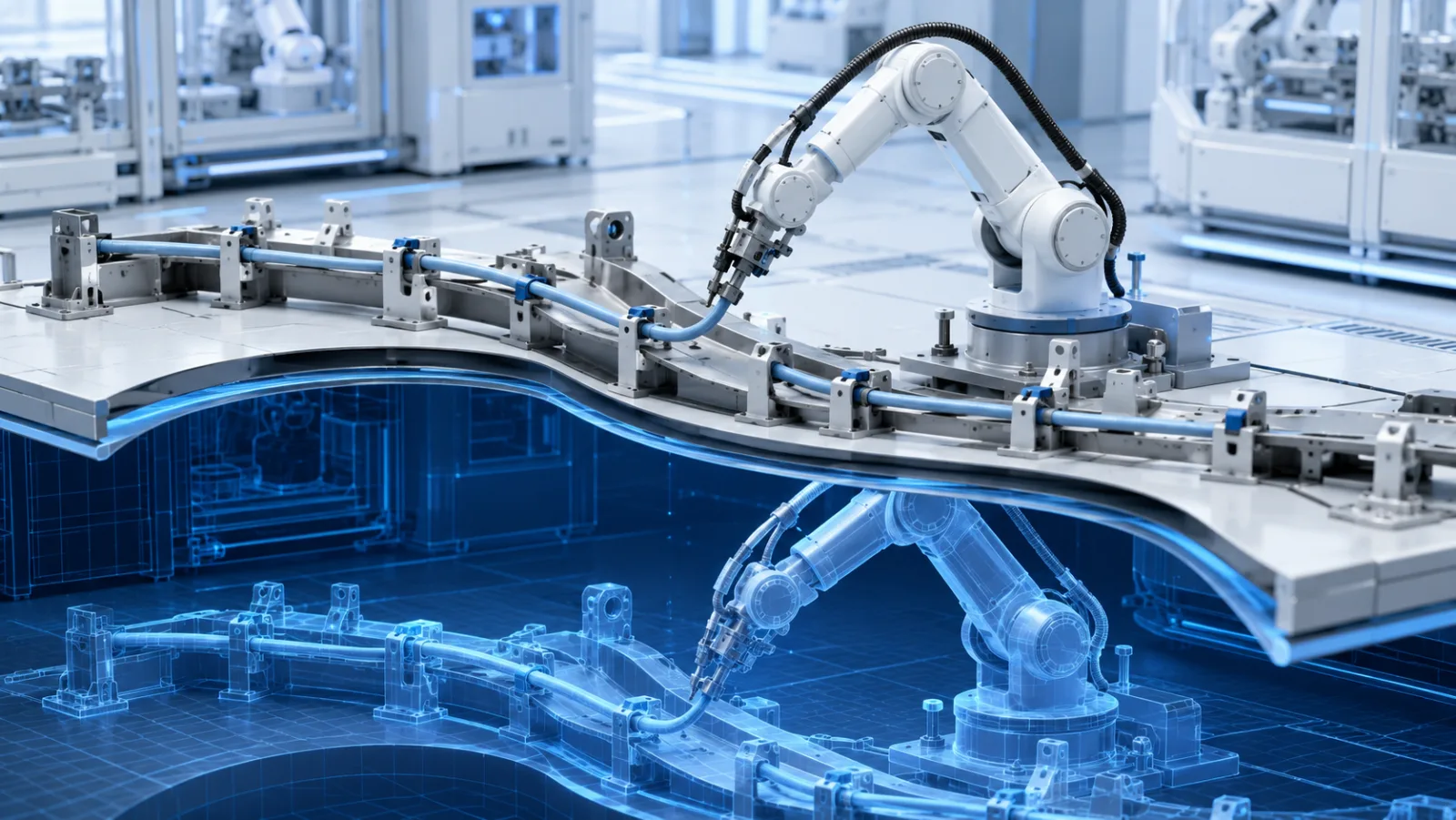
SILO shows how approximate simulation, localized reinforcement learning, and runtime digital-twin execution can make deformable-object automation more practical without pretending the simulator is reality.

A practical framework for turning model performance into production confidence by separating task structure, user variation, and deployment leakage.
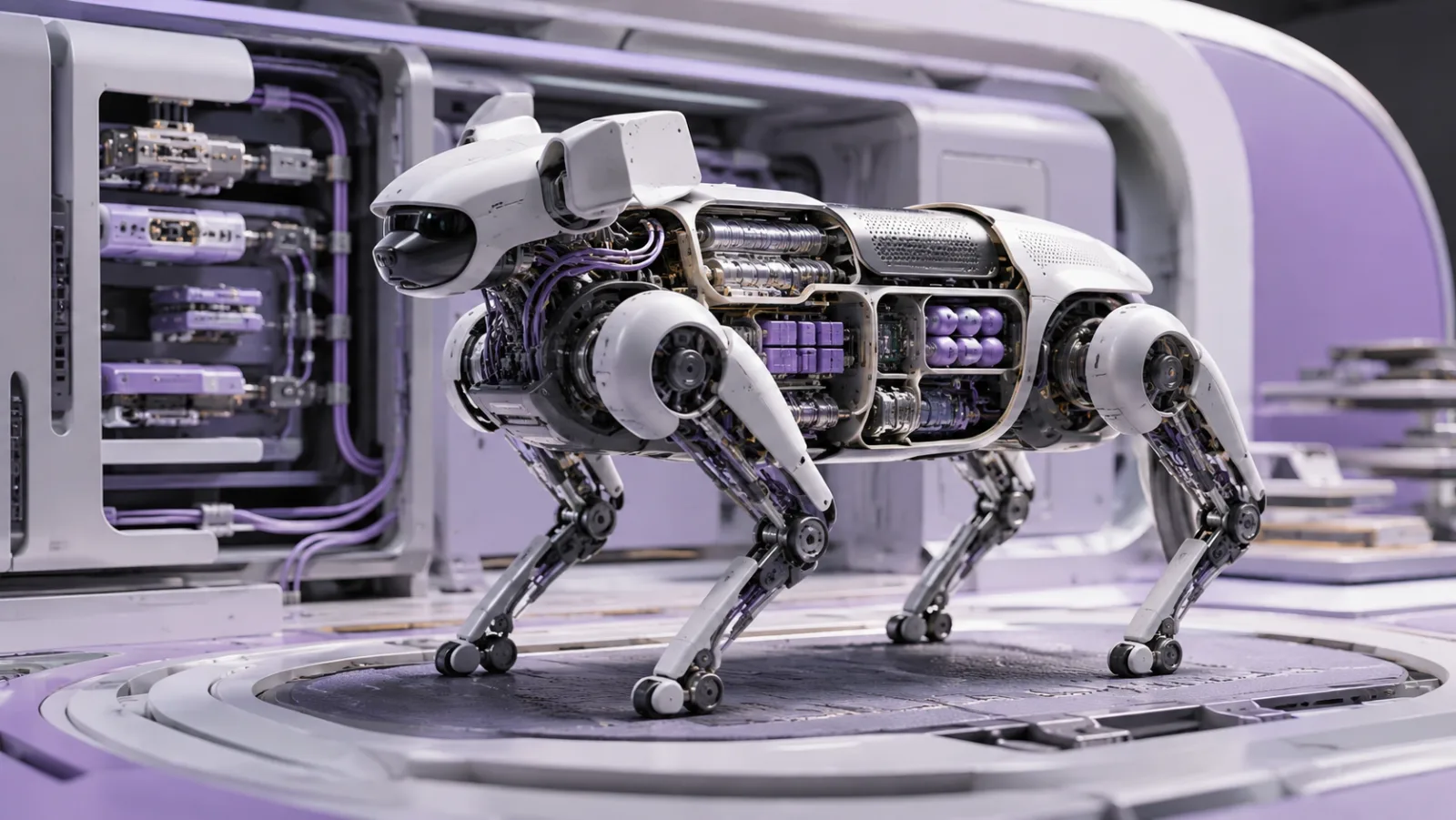
ABot-C0 shows how data generation, generalist motion tracking, specialized locomotion policies, and runtime orchestration can turn quadruped robotics from a collection of demos into a more reusable product stack.

A new analysis explains how rollout staleness and learning rate jointly determine whether asynchronous RLHF remains stable, collapses locally, or drifts toward failure.