
Doctor, Interrupted: How Multi-Agent AI Revives the Lost Art of Pre‑Consultation
A hierarchical multi-agent framework shows how clinical intake AI can move from passive symptom collection to controlled, proactive history-taking.
A hierarchical multi-agent framework shows how clinical intake AI can move from passive symptom collection to controlled, proactive history-taking.

A practical reading of how dynamic graph learning can forecast future food-trade links—and where that forecast stops being decision support.

ExplicitLM explores whether factual knowledge can move from opaque model parameters into inspectable memory banks, shifting the business conversation from raw accuracy to governable AI memory.
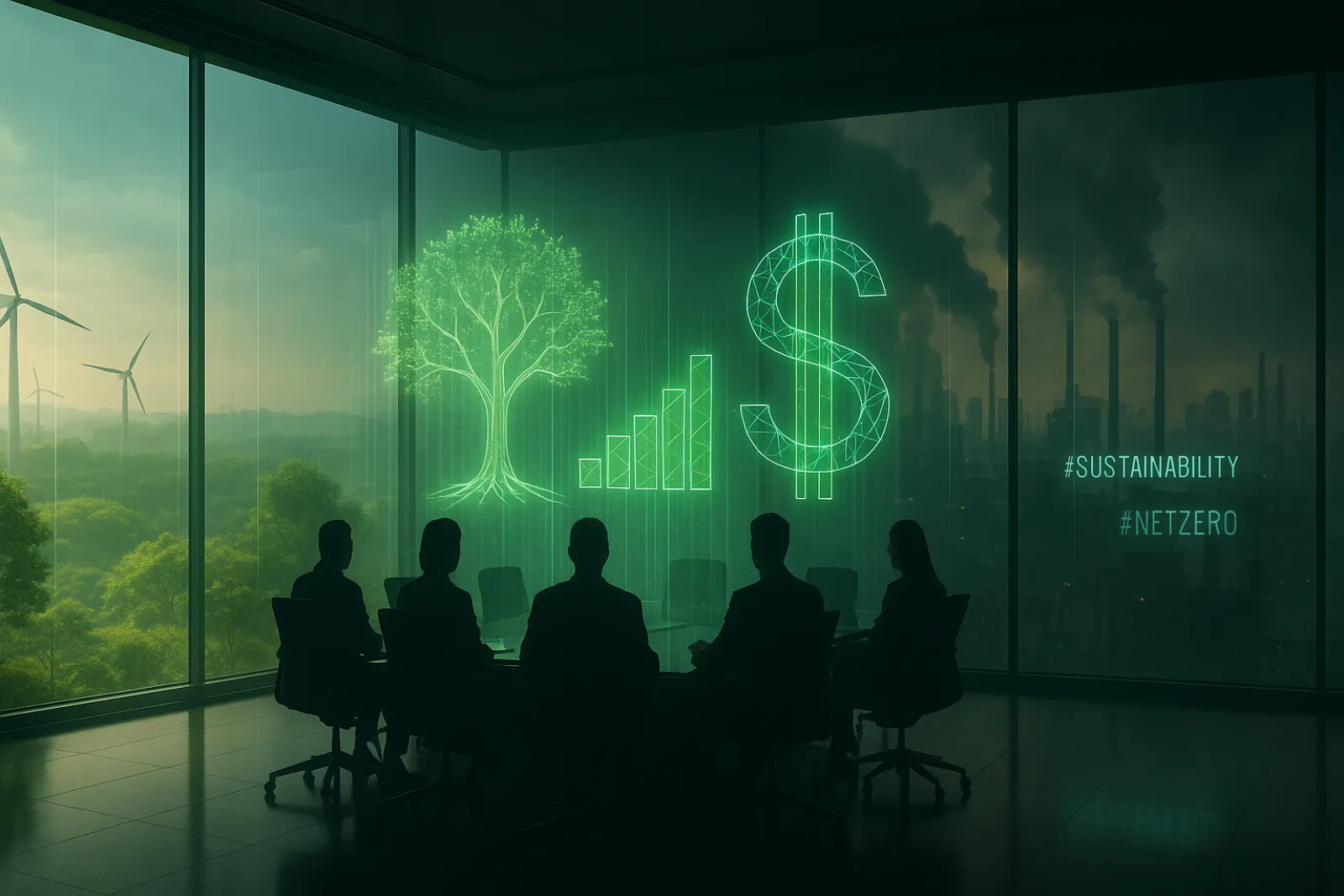
A grounded look at how LLMs and vision-language models can turn corporate sustainability posts into auditable communication signals without pretending they can read corporate souls.

A mechanism-first look at a hybrid legal QA agent that treats trustworthy AI as a controlled workflow, not a magic property of retrieval.

A mechanism-first reading of Simia, a framework that trains AI agents by replacing bespoke environments with LLM-simulated feedback, synthetic trajectories, and simulated reinforcement learning.

TempoBench shows that AI models can often replay what happened, yet still fail at the harder business task: identifying what actually caused it.

A mechanism-first look at VeriMoA, a training-free multi-agent framework that improves spec-to-HDL generation by caching high-quality candidates and forcing useful diversity.

Fints shows how LLM personalization can move from retraining and prompt stuffing into inference-time activation steering, with useful gains and very real deployment caveats.
A mechanism-first look at Modules of Influence, a graph-based framework that turns feature attributions into auditable model behaviour.