
Agents Without Time: When Reinforcement Learning Meets Higher-Order Causality
Wilson’s formal bridge between deterministic POMDP agents and process functions shows why causal order can become an architectural constraint in multi-agent AI.
Wilson’s formal bridge between deterministic POMDP agents and process functions shows why causal order can become an architectural constraint in multi-agent AI.
A business-oriented reading of HAROOD, the benchmark that turns human-activity recognition from a leaderboard game into four concrete deployment failure tests.

SEAL-RAG shows why multi-hop retrieval systems often need better evidence replacement, not larger context windows.

A mechanism-first reading of V-OCBF: how offline robot logs can become deployable safety filters, and where the guarantees still depend on approximation.

A mechanism-first look at how LLMs can turn expensive proposal review into pairwise ranking, audit signals, and similarity checks without pretending the committee has disappeared.

A mechanism-first reading of multi-granular node pruning, and why the practical value is cheaper model diagnosis rather than magical model compression.

A business-focused reading of Agile Deliberation, a framework for turning vague subjective visual concepts into working VLM classifiers through structured human reflection.

A mechanism-first reading of MatSci-YAMZ, showing why AI-assisted vocabulary work is less about automated definitions and more about governed semantic negotiation.

RIFT shows how LLM accelerator reliability can move from broad random fault campaigns to targeted, workflow-ready diagnosis of the few faults that actually matter.
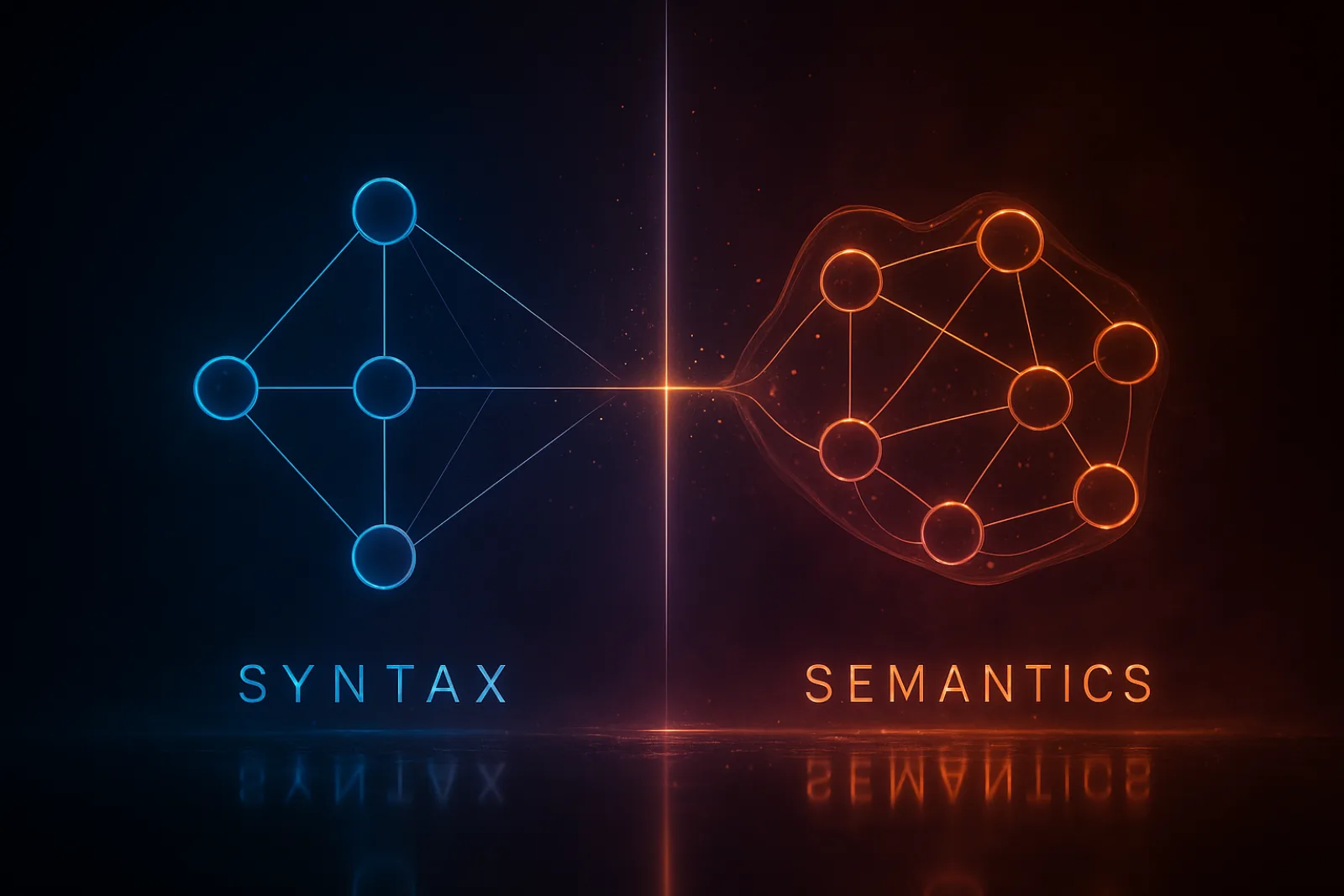
A mechanism-first reading of how categorical semantics separates graph syntax from probabilistic semantics in Bayesian and Markov networks.