Cover image

Mirror, Mirror in the Model: How MLLMs Learn from Their Own Mistakes

When multimodal large language models (MLLMs) like Gemini or Janus are asked to generate an image and then assess whether that image matches a prompt, you’d expect agreement. But a new study shows this harmony is often missing: the model’s own understanding branch disagrees with what its generation branch creates. This phenomenon—called self-contradiction—isn’t just an embarrassing quirk. As it turns out, it may be the most valuable feedback signal MLLMs have. ...


July 23, 2025 · 4 min · Zelina
Cover image

The Watchdog at the Gates: How HalMit Hunts Hallucinations in LLM Agents

In the ever-expanding ecosystem of intelligent agents powered by large language models (LLMs), hallucinations are the lurking flaw that threatens their deployment in critical domains. These agents can compose elegant, fluent answers that are entirely wrong — a risk too great in medicine, law, or finance. While many hallucination-detection approaches require model internals or external fact-checkers, a new paper proposes a bold black-box alternative: HalMit. Hallucinations as Boundary Breakers HalMit is built on a deceptively simple premise: hallucinations happen when LLMs step outside their semantic comfort zone — their “generalization bound.” If we could map this bound for each domain or agent, we could flag responses that veer too far. ...

July 23, 2025 · 3 min · Zelina
Cover image

Think Twice, Then Speak: Deliberative Searcher and the Future of Reliable LLMs

When a large language model (LLM) answers your question with a high degree of confidence, do you trust it? What if it’s wrong—but still confident? The stakes are high in real-world applications, from legal guidance to enterprise decision support. Yet today’s LLMs remain notoriously unreliable in aligning their confidence with correctness. The paper Deliberative Searcher: Improving LLM Reliability via Reinforcement Learning with Constraints (Yin et al., 2025) offers a bold response: rewire LLMs to be reasoning-primary and information-secondary. Instead of front-loading search and passively absorbing evidence, Deliberative Searcher acts more like a prudent investigator: it thinks, self-assesses, retrieves external information only when needed, and calibrates its confidence step-by-step. Crucially, it learns this behavior through a custom constrained reinforcement learning regime. ...

July 23, 2025 · 3 min · Zelina
Cover image

Weight Watchers for LLMs: Dynamic Dieting Beats Static Selection

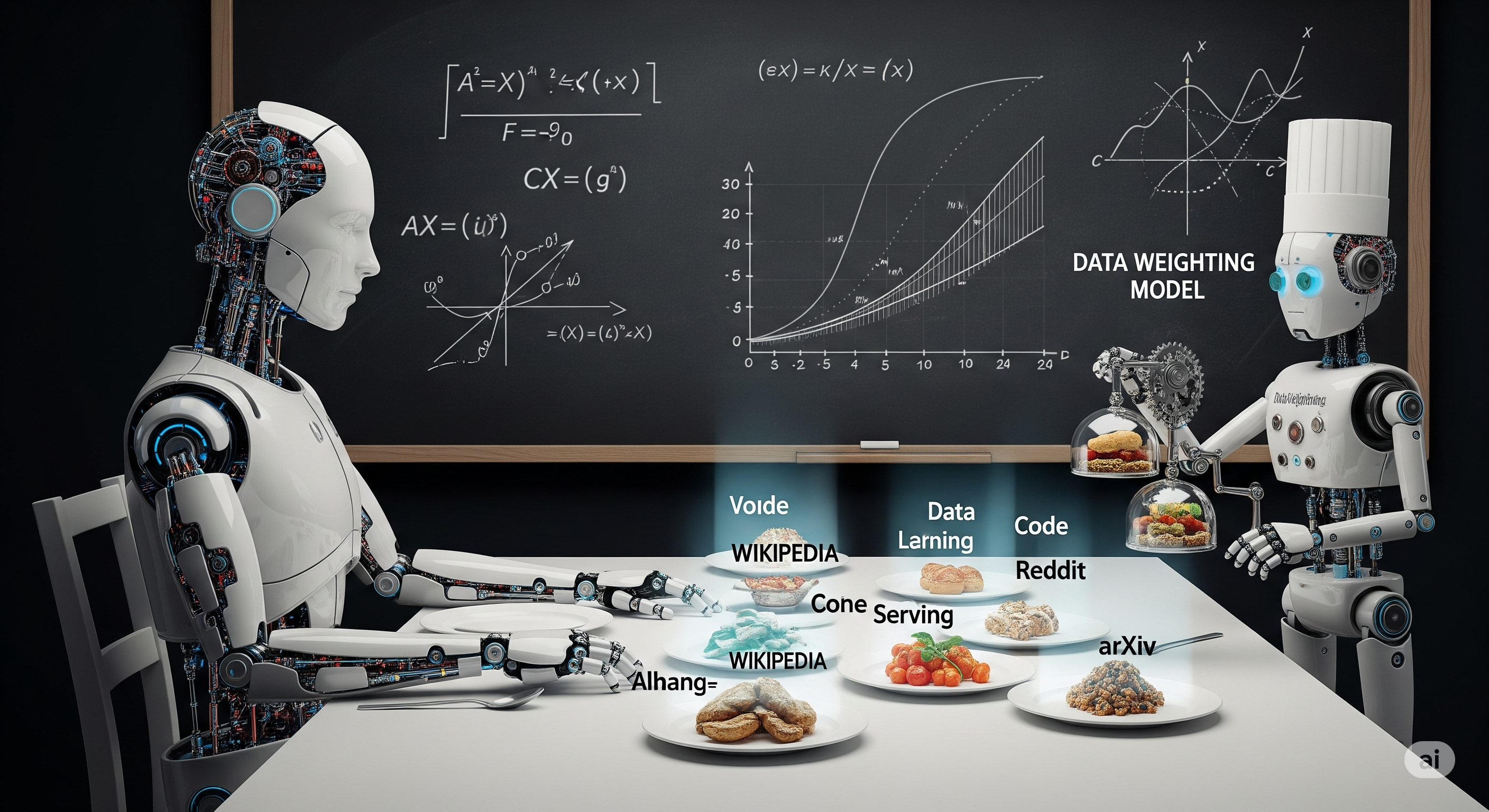
Most large language models (LLMs) are trained as if every piece of data is equally nutritious. But just as elite athletes optimize not just what they eat but when and how they eat it, a new paper proposes that LLMs can perform better if we learn to dynamically adjust their data “diet” during training. The Static Selection Problem Traditional data selection for LLMs is front-loaded and fixed: you decide what data to keep before training, often using reference datasets (e.g., Wikipedia) or reference models (e.g., GPT-3.5) to prune the lowest-quality examples. While effective in reducing cost, this approach ignores a key insight: an LLM’s preference for certain types of data evolves over time. ...

July 23, 2025 · 3 min · Zelina
Cover image

Beyond DNS: Building the Backbone for the Internet of AI Agents

Imagine a future where autonomous AI agents don’t just assist us — they negotiate, orchestrate, and execute decisions across digital and physical realms in milliseconds. Now imagine trying to route, authenticate, and audit these trillions of agents using a system designed for 1980s-era websites. That’s the conundrum the creators of the NANDA index are confronting head-on. The paper, Beyond DNS: Unlocking the Internet of AI Agents via the NANDA Index and Verified AgentFacts, presents a bold infrastructure vision that goes far beyond anything like DNS, HTTPS, or traditional service registries. Instead, it proposes a lean yet powerful framework for agent discovery, authentication, routing, and governance. The implications? A new kind of internet, tailored for machine-native, privacy-preserving, trust-aware autonomy. ...

July 22, 2025 · 4 min · Zelina
Cover image

From Text to Motion: How Manimator Turns Dense Papers into Dynamic Learning

Scientific communication has always suffered from the tyranny of static text. Even the most revolutionary ideas are too often entombed in dense LaTeX or buried in 30-page PDFs, making comprehension an uphill battle. But what if your next paper—or internal training doc—could explain itself through animation? Enter Manimator, a new system that harnesses the power of Large Language Models (LLMs) to transform research papers and STEM concepts into animated videos using the Manim engine. Think of it as a pipeline from paragraph to pedagogical movie, requiring zero coding or animation skills from the user. ...

July 22, 2025 · 3 min · Zelina
Cover image

The Butterfly Defect: Diagnosing LLM Failures in Tool-Agent Chains

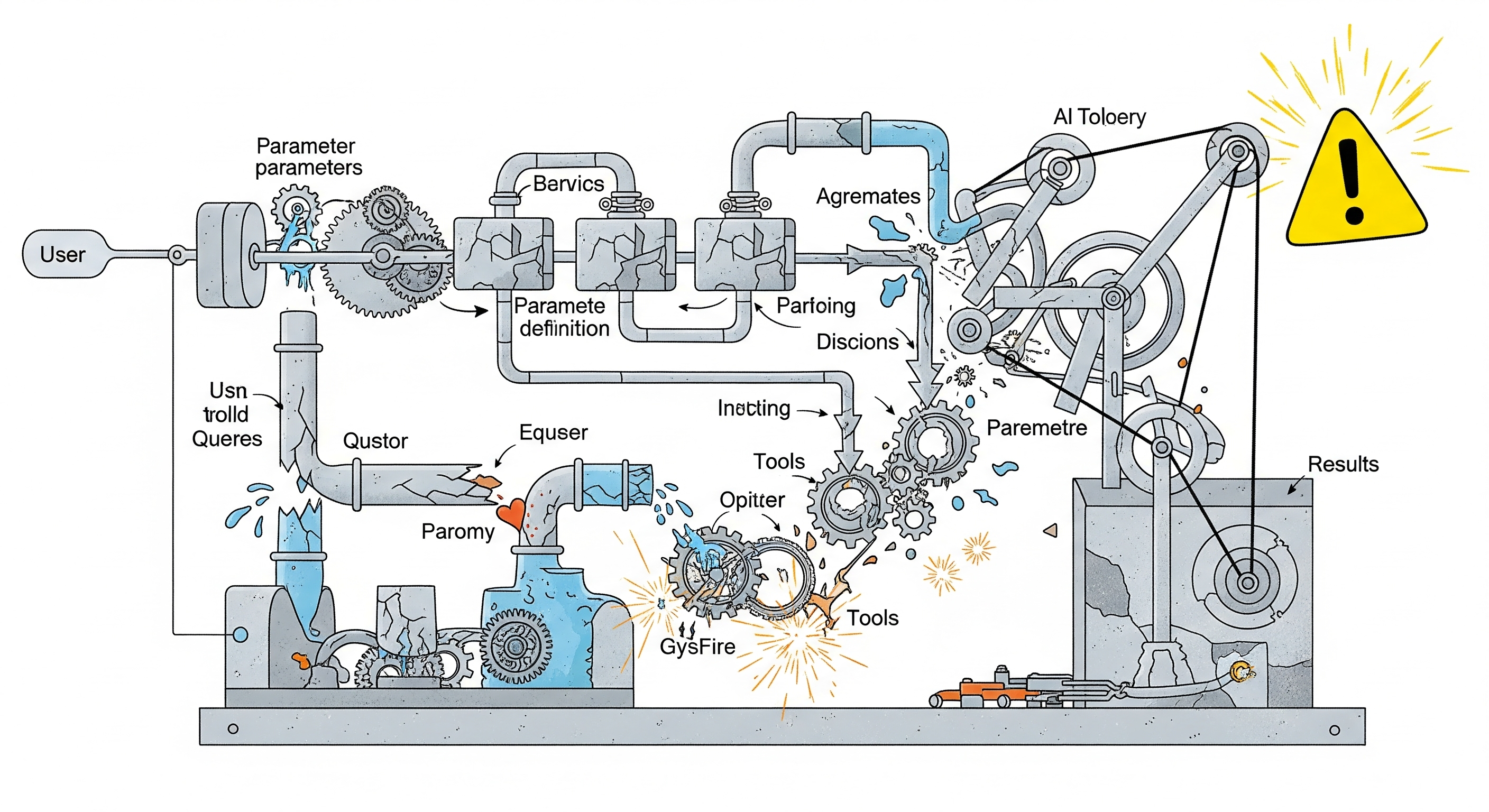
As LLM-powered agents become the backbone of many automation systems, their ability to reliably invoke external tools is now under the spotlight. Despite impressive multi-step reasoning, many such agents crumble in practice—not because they can’t plan, but because they can’t parse. One wrong parameter, one mismatched data type, and the whole chain collapses. A new paper titled “Butterfly Effects in Toolchains” offers the first systematic taxonomy of these failures, exposing how parameter-filling errors propagate through tool-invoking agents. The findings aren’t just technical quirks—they speak to deep flaws in how current LLM systems are evaluated, built, and safeguarded. ...

July 22, 2025 · 3 min · Zelina
Cover image

The Clock Inside the Machine: How LLMs Construct Their Own Time

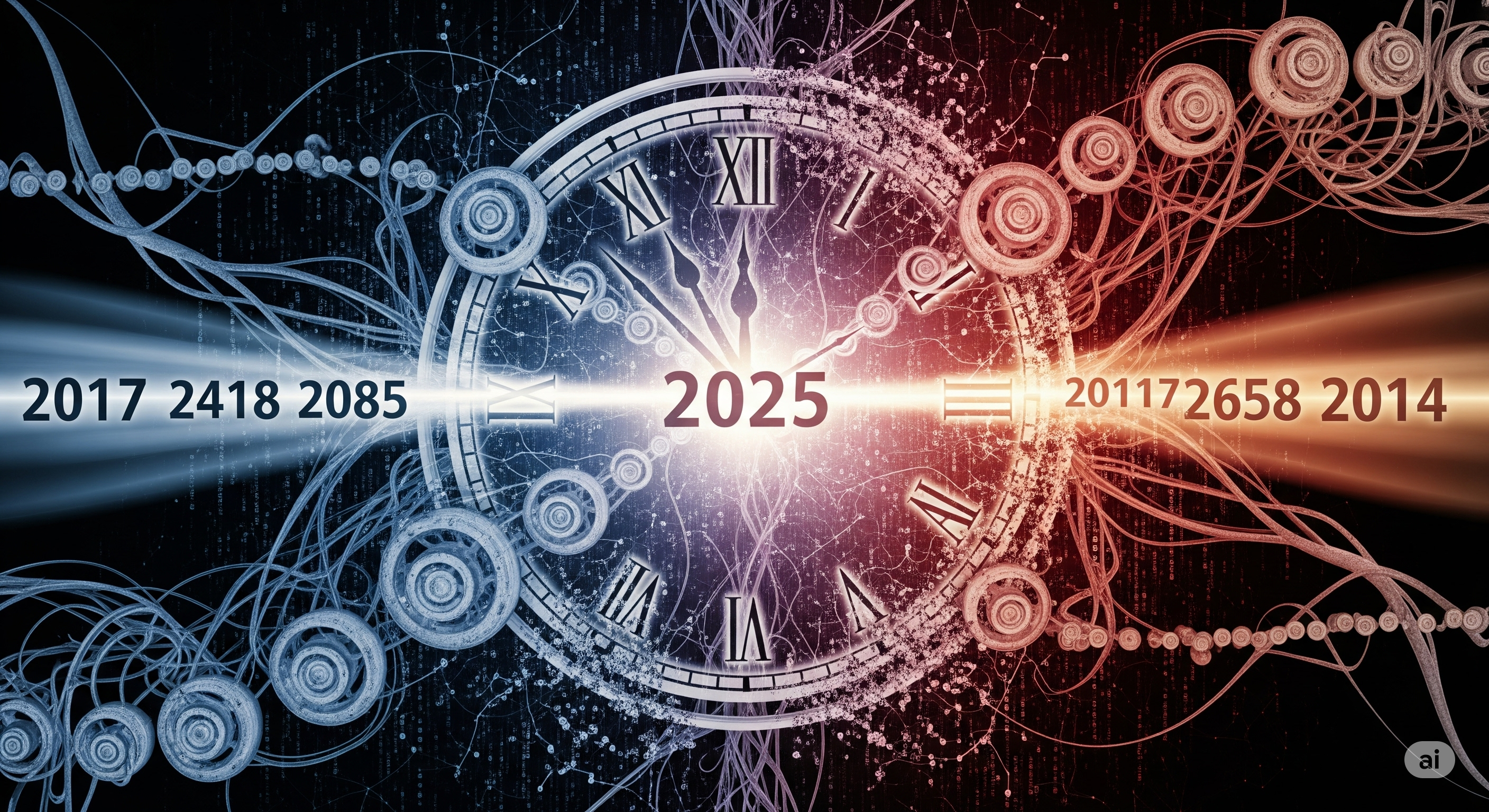
What if your AI model isn’t just answering questions, but living in its own version of time? A new paper titled The Other Mind makes a bold claim: large language models (LLMs) exhibit temporal cognition that mirrors how humans perceive time — not through raw numbers, but as a subjective, compressed mental landscape. Using a cognitive science task known as similarity judgment, the researchers asked 12 LLMs, from GPT-4o to Qwen2.5-72B, to rate how similar two years (like 1972 and 1992) felt. The results were startling: instead of linear comparisons, larger models automatically centered their judgment around a reference year — typically close to 2025 — and applied a logarithmic perception of time. In other words, just like us, they feel that 2020 and 2030 are more similar than 1520 and 1530. ...

July 22, 2025 · 3 min · Zelina
Cover image

Agents of Disruption: How LLMs Became Adversarial Testers for Autonomous Driving

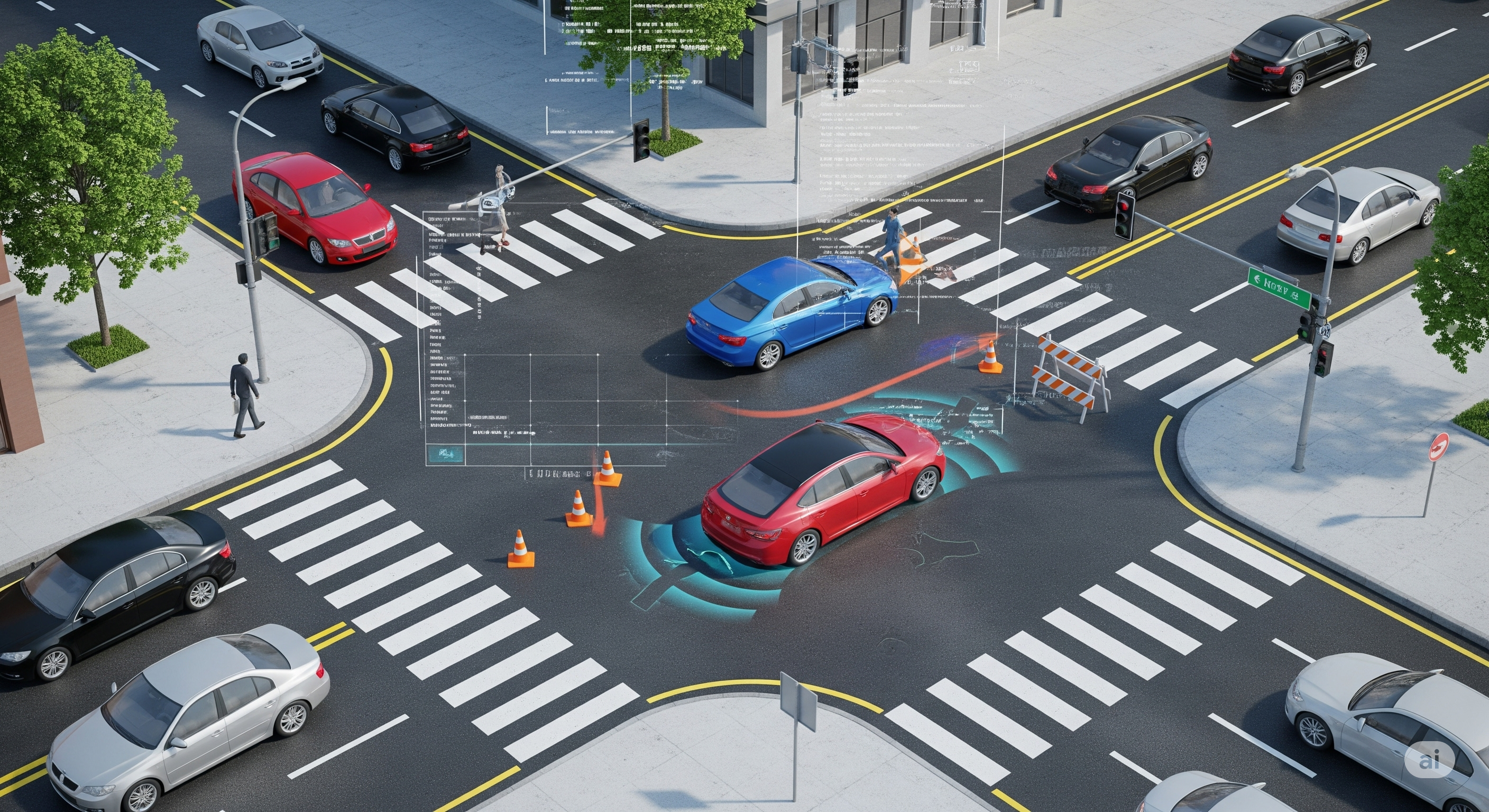
The promise of fully autonomous vehicles hinges on their ability to handle not just the average drive—but the unexpected. Yet, creating rare, safety-critical scenarios for testing autonomous driving (AD) systems has long been a bottleneck. Manual scene creation doesn’t scale. Generative models often drift away from real-world distributions. And collecting edge cases on the road? Too dangerous, too slow. Enter AGENTS-LLM, a deceptively simple yet powerful framework that uses Large Language Models (LLMs) not to solve traffic scenes, but to break them. The twist? These aren’t just static prompts or synthetic scripts. AGENTS-LLM organizes LLMs into a multi-agent, modular system that modifies real traffic scenarios with surgical precision—making them trickier, nastier, and far more useful for evaluating planning systems. ...

July 21, 2025 · 3 min · Zelina
Cover image

Bridges and Biases: How LLMs Are Learning to Inspect Infrastructure

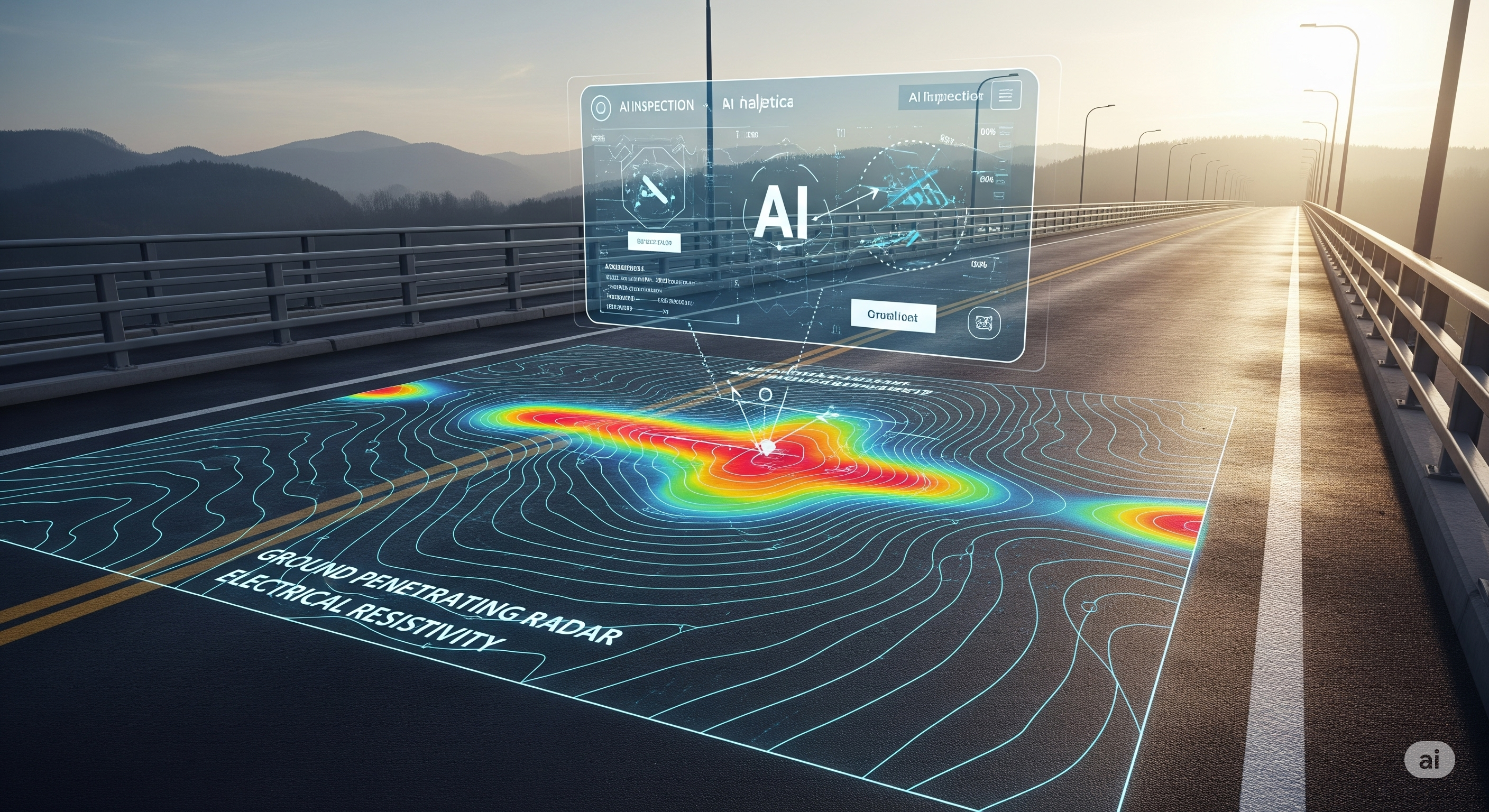
In an age where aging infrastructure meets accelerating AI, a new paper out of George Mason University proposes a novel question: Can large language models interpret what even seasoned engineers find difficult — NDE contour maps of bridges? The answer, based on this pilot study, is a cautious but resounding yes — with caveats that echo through the entire field of AI-assisted engineering. The Problem: Data Is There — Expertise Isn’t Always Bridges are scanned using advanced non-destructive evaluation (NDE) tools — Ground Penetrating Radar (GPR), Electrical Resistivity (ER), Impact Echo (IE), and Ultrasonic Surface Waves (USW) — but interpreting those outputs requires human expertise, which is not always available, especially during emergency assessments or in rural areas. Contour maps from these tools don’t speak for themselves. ...

July 21, 2025 · 3 min · Zelina