Cover image

Who Really Runs the Workflow? Ranking Agent Influence in Multi-Agent AI Systems

Opening — Why this matters now Multi-agent systems — the so-called Agentic AI Workflows — are rapidly becoming the skeleton of enterprise-grade automation. They promise autonomy, composability, and scalability. But beneath this elegant choreography lies a governance nightmare: we often have no idea which agent is actually in charge. Imagine a digital factory of LLMs: one drafts code, another critiques it, a third summarizes results, and a fourth audits everything. When something goes wrong — toxic content, hallucinated outputs, or runaway costs — who do you blame? More importantly, which agent do you fix? ...

November 3, 2025 · 5 min · Zelina
Cover image

Provenance, Not Prompts: How LLM Agents Turn Workflow Exhaust into Real-Time Intelligence

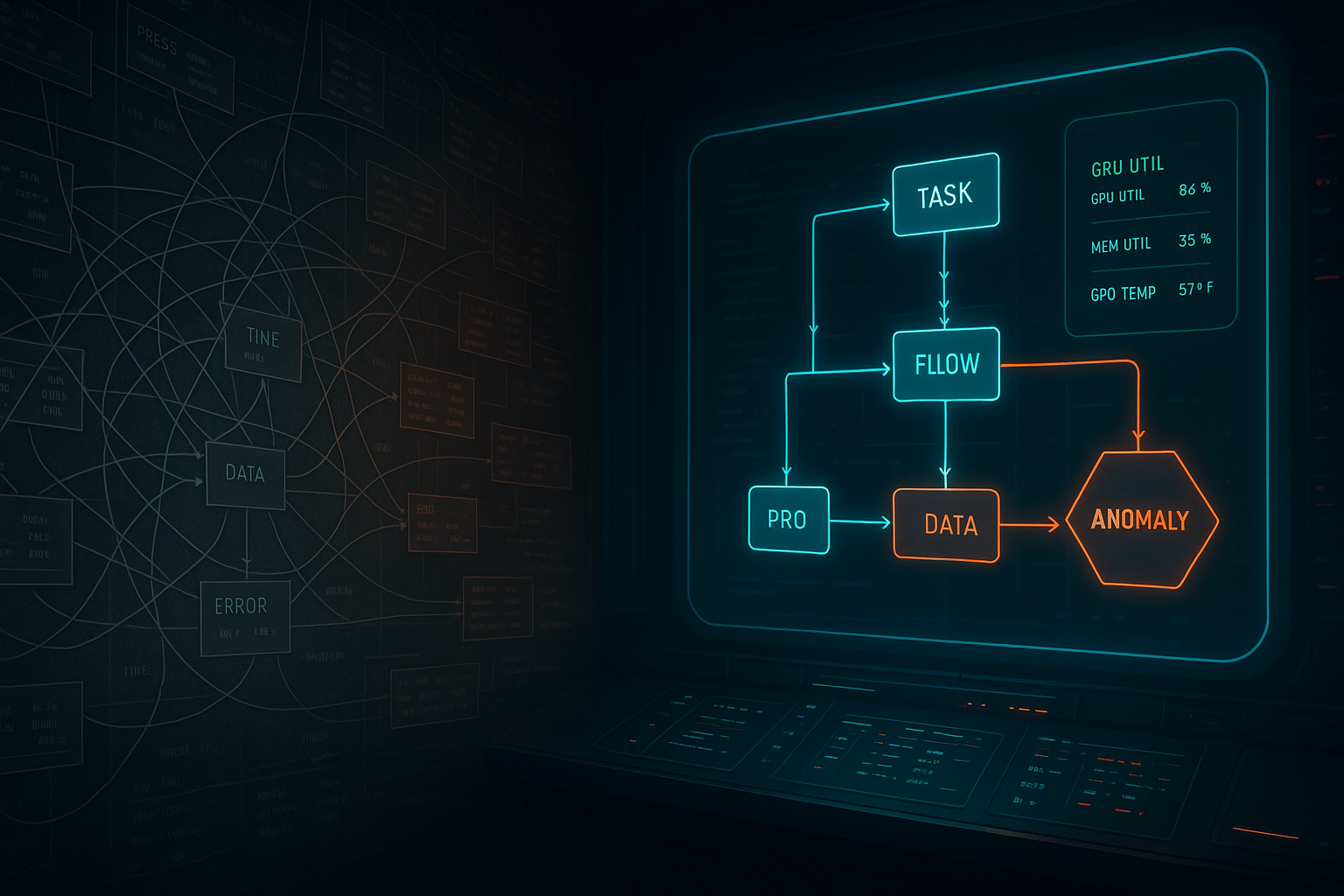
TL;DR Most teams still analyze pipelines with brittle SQL, custom scripts, and static dashboards. A new reference architecture shows how schema-driven LLM agents can read workflow provenance in real time—across edge, cloud, and HPC—answering “what/when/who/how” questions, plotting quick diagnostics, and flagging anomalies. The surprising finding: guideline-driven prompting (not just bigger context) is the single highest‑ROI upgrade. Why this matters (for operators, data leads, and CTOs) When production AI/data workflows sprawl across services (queues, training jobs, GPUs, file systems), the real telemetry isn’t in your app logs; it’s in the provenance—the metadata of tasks, inputs/outputs, scheduling, and resource usage. Turning that exhaust into live answers is how you: ...

October 1, 2025 · 4 min · Zelina
Cover image

From Chaos to Choreography: The Future of Agent Workflows

In the world of Large Language Model (LLM)-powered automation, agents are no longer experimental curiosities — they’re becoming the operational backbone for scalable, autonomous AI systems. But as the number and complexity of these agents grow, the missing piece is no longer raw capability; it’s choreography. This is where agent workflows come in: structured orchestration frameworks that govern how agents plan, collaborate, and interact with tools, data, and each other. A recent survey of 24 representative systems — from industry platforms like LangChain, AutoGen, and Meta-GPT to research frameworks like ReAct and ReWoo — reveals not just technical diversity, but a strategic gap in interoperability. ...

August 9, 2025 · 3 min · Zelina
Cover image

Truth, Beauty, Justice, and the Data Scientist’s Dilemma

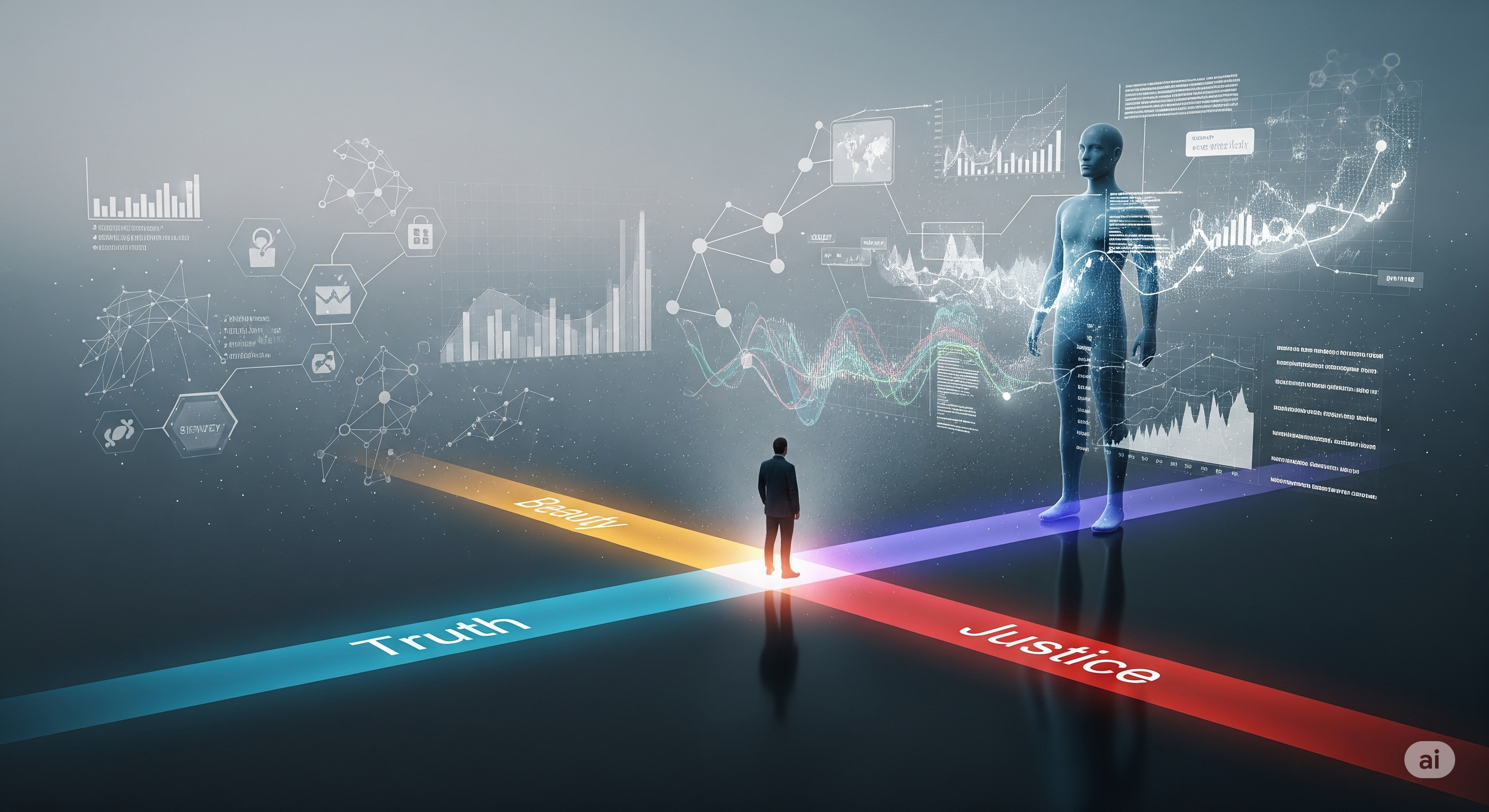
As AI systems become more capable of automating every stage of the data science workflow—from formulating hypotheses to summarizing results—it might seem we’re inching toward a world where “data scientist” becomes just another automated job title. But Timpone and Yang’s new framework, presented in their paper AI, Humans, and Data Science (2025), offers a powerful antidote to this narrative: a structured way to evaluate where humans are indispensable—not by resisting automation, but by rethinking our roles within it. ...

July 17, 2025 · 3 min · Zelina
Cover image

Beyond the AI Hype: The Real Direction of AI Development

Introduction Recently, 01.AI launched its enterprise AI platform, aiming to provide businesses with access to open-source LLMs, retrieval-augmented generation (RAG), model fine-tuning, and AI-powered assistants. This move is part of 01.AI’s broader effort to demonstrate relevance in the ongoing AI arms race, especially as the company has previously secured significant funding under the reputation of Li Kaifu. Given the rapid evolution of AI, 01.AI faces mounting pressure to show tangible business value to its investors—yet, its latest offering falls into the common trap of many AI enterprise solutions: prioritizing model deployment over true business integration. ...

March 17, 2025 · 6 min · Cognaptus Insights