Cover image

Mind the Representation Gap: Why Enterprise AI Fails Before It Thinks

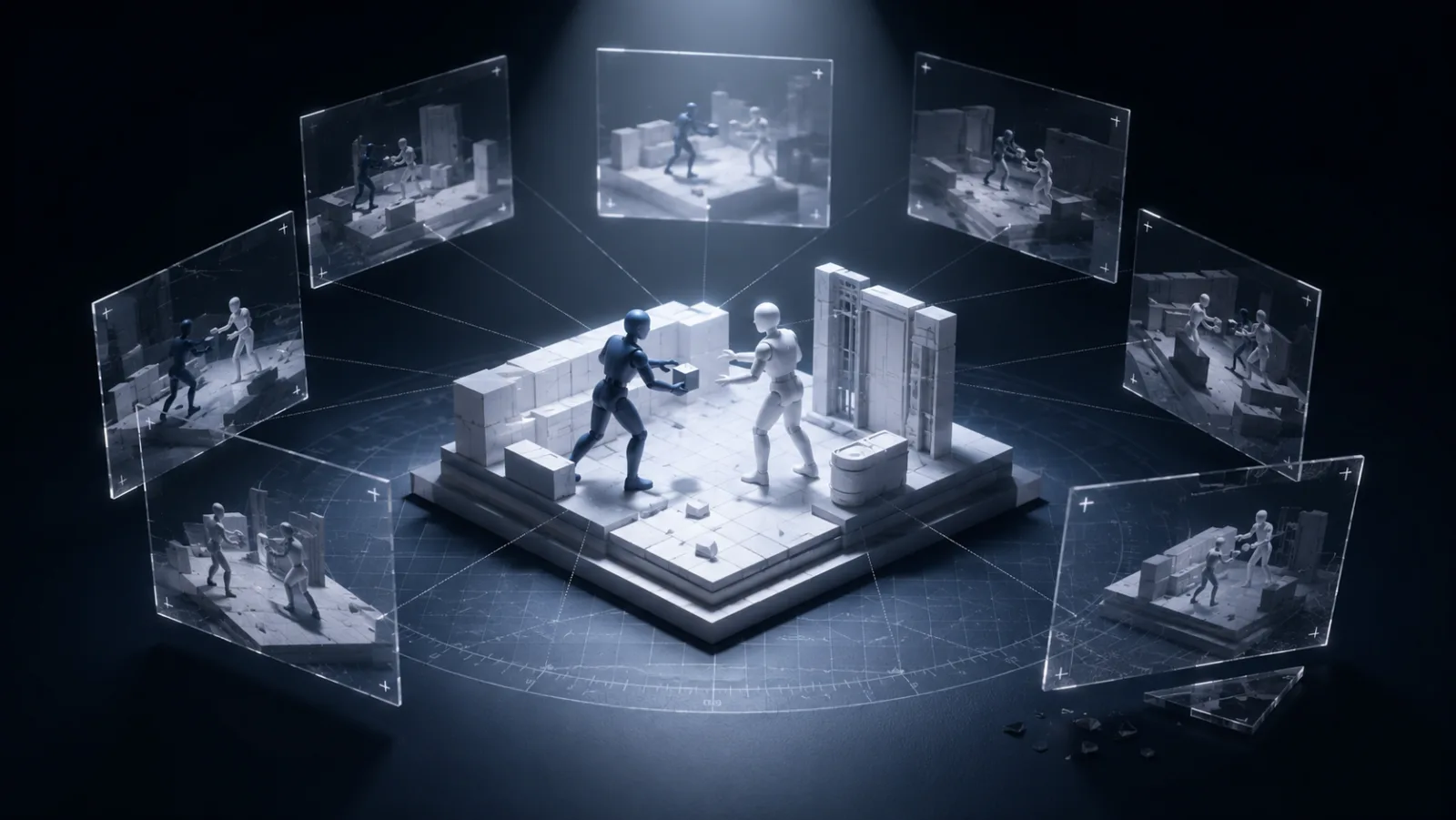
Enterprise AI has developed a charming habit: whenever a system fails, someone suggests using a larger model. The chatbot misread a customer complaint? Bigger model. The autonomous system struggled with a new sensor configuration? Bigger model. The video classifier understood the objects but missed the actual message? Bigger model, possibly with a more expensive logo. ...

June 11, 2026 · 14 min · Zelina
Cover image

Hands-On Intelligence: Why Immersive AI Needs Both Eyes and Fingers

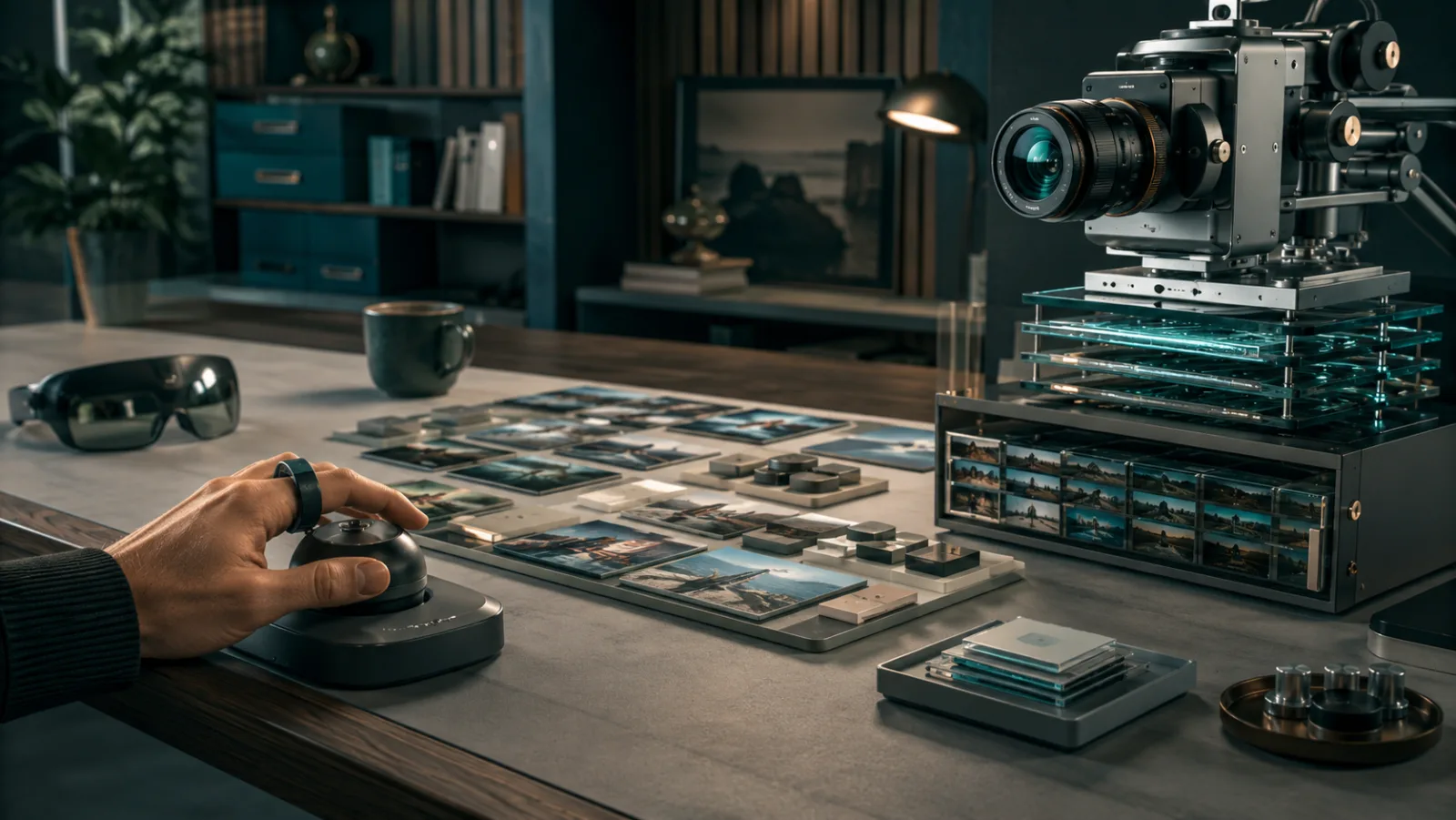
Immersive AI has a convenient myth: put a stronger multimodal model inside a headset, let it see what the user sees, and the future of work politely appears. Very cinematic. Slightly incomplete. The real problem is less glamorous and more operational. Extended-reality work is not just a visual scene. It is a long-running loop of perception, memory, reasoning, instruction, correction, confirmation, and physical effort. The model must understand what is happening over time. The human must still steer the system without becoming a tired thumb attached to a battery pack. ...

June 9, 2026 · 15 min · Zelina
Cover image

Blink and You Miss It: The Two-Stage Reality Check for Multimodal AI

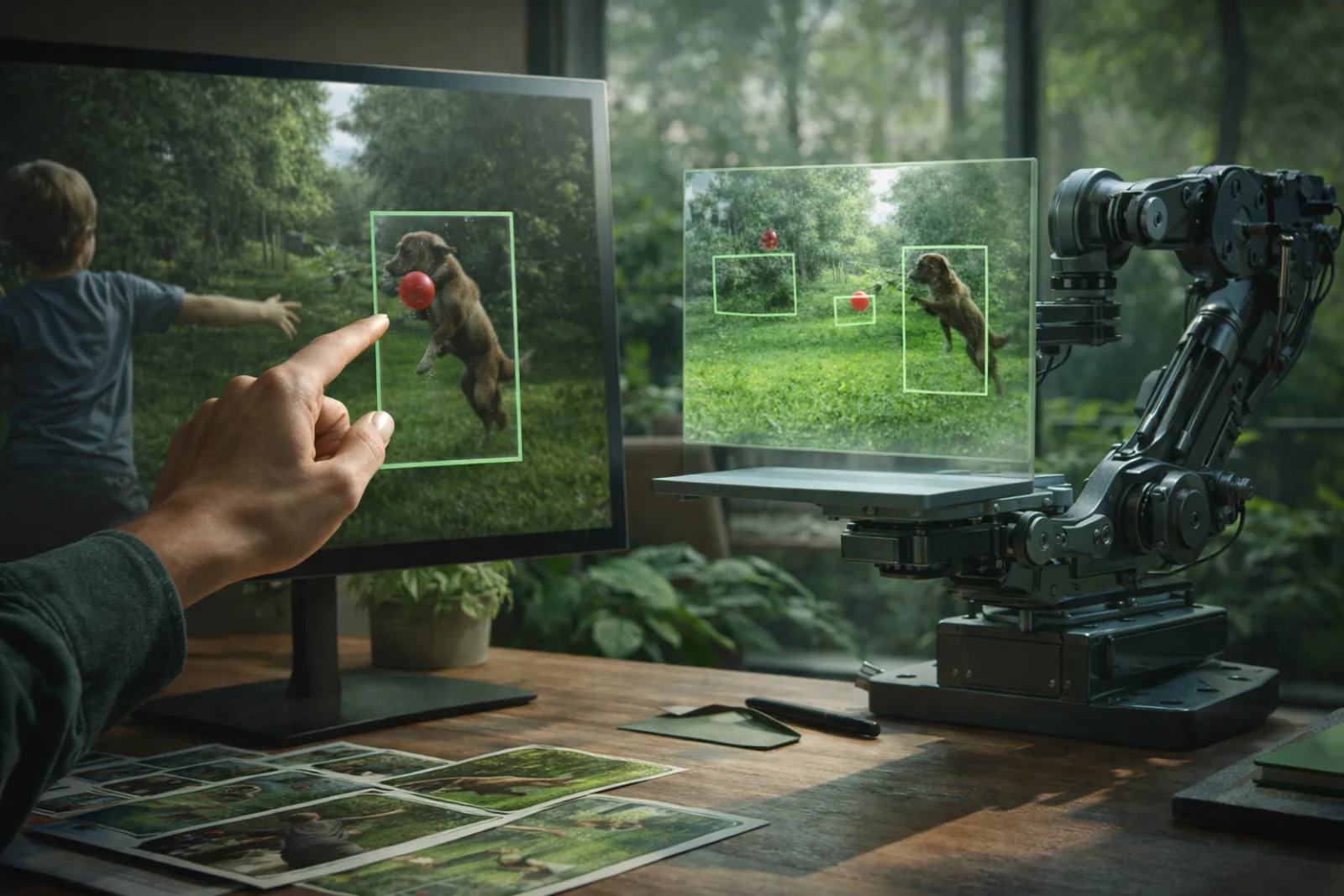
Multimodal AI has reached the point where it can describe videos, summarize documents with images, answer visual questions, and generate outputs that look satisfyingly complete. This is exactly why evaluation is becoming more dangerous. A system that looks competent is not necessarily reliable. It may miss the one-second event that determines the answer. Or it may notice enough evidence but then produce a fluent, attractive, visually decorated summary that quietly distorts the facts. The first failure is upstream: the model did not capture the decisive evidence. The second is downstream: the output did not preserve and present the evidence in a human-useful way. ...

June 8, 2026 · 17 min · Zelina
Cover image

Seeing the Trees, Not Just the Forest: Why Instance-Aware AI Changes Everything

A camera sees a warehouse aisle. A worker reaches for a box. A forklift passes behind him. A package shifts on the shelf. A normal vision-language model can probably describe the scene. It may say, quite reasonably, that a worker is handling inventory while a vehicle moves nearby. That is not useless. It is also not enough. ...

April 12, 2026 · 15 min · Zelina
Cover image

PyraTok: When Video Tokens Finally Learn to Speak Human

Video looks easy until a machine has to remember what matters. A human watches a short clip and immediately separates the important layers: the object, the action, the background, the timing, the implied intent, the scene transition. A model sees a much less polite object: frames, pixels, motion, compression artifacts, and a large bill for GPU memory. Then we ask it to generate video, answer questions, segment objects, localize actions, and preserve meaning across time. Naturally, the model responds by becoming expensive. Very relatable. ...

January 24, 2026 · 15 min · Zelina
Cover image

When Models Guess the Verb by Looking at the Drawer

Drawer. That is the easy part. A model sees a drawer, and it knows that drawers are often opened. Then it watches a video where someone is closing the drawer and predicts opening anyway. This is not the kind of error that makes a demo look silly for five seconds and then disappear into the benchmark appendix. It is the kind of error that reveals what the system is really using as evidence. The model is not necessarily watching the motion. It may be recognizing the object, remembering the most common verb attached to that object during training, and calling that “video understanding.” Very efficient. Also wrong. ...

January 24, 2026 · 17 min · Zelina
Cover image

When One Clip Isn’t Enough: Teaching LLMs to Watch Long Videos Like Adults

Video is a terrible place to hide evidence. Not because the evidence is invisible. Because it is usually obvious only after someone has already found the right minute, the right scene, and the right visual detail. A person reviewing a long customer-support screen recording, a training video, a compliance recording, or a surveillance clip rarely watches everything with equal attention. They skim, localize, zoom in, check the detail, and then answer. Primitive, yes. Effective, also yes. ...

December 24, 2025 · 15 min · Zelina