
Cover image

Scalpel Meets Silicon: The Rise of Surgical Foundation Models

Operating rooms do not lack data. They lack data that behaves. A surgical video is not merely a moving picture of tissue, tools, and occasional smoke. It is a compressed record of anatomy, timing, judgment, motor control, institutional habit, and, when things go wrong, irreversible consequence. That makes surgery a deeply inconvenient domain for AI. Standard computer vision likes objects. Surgery gives it interactions. Standard multimodal models like captions. Surgery asks whether the cystic duct is safely exposed before clipping. Lovely. ...
March 18, 2026 · 16 min · Zelina
Cover image

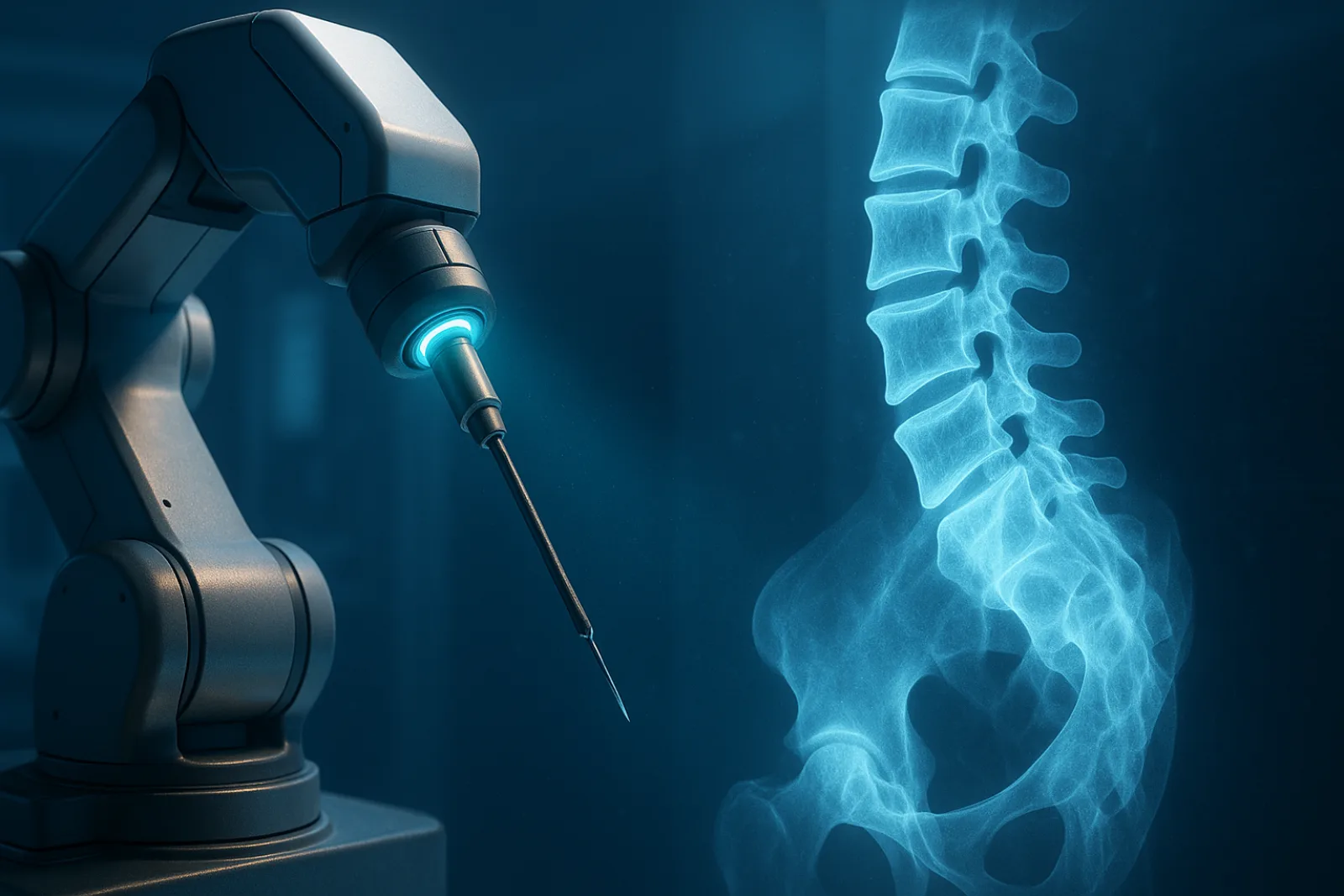
Learning by X-ray: When Surgical Robots Teach Themselves to See in Shadows

X-rays are useful because they are cheap, familiar, and already sitting in the operating room. They are also, inconveniently, shadows. That is the central tension in Investigating Robot Control Policy Learning for Autonomous X-ray-guided Spine Procedures, a paper that asks whether a robot policy can plan vertebroplasty cannula trajectories from only bi-planar X-ray views—one anterior-posterior view, one lateral view—without CT-based navigation, registration, or a lovingly over-engineered suite of intra-operative infrastructure.1 ...

November 9, 2025 · 14 min · Zelina