Cover image

Say Less: A Child-Speech Screener Designed to Stop Before Diagnosis

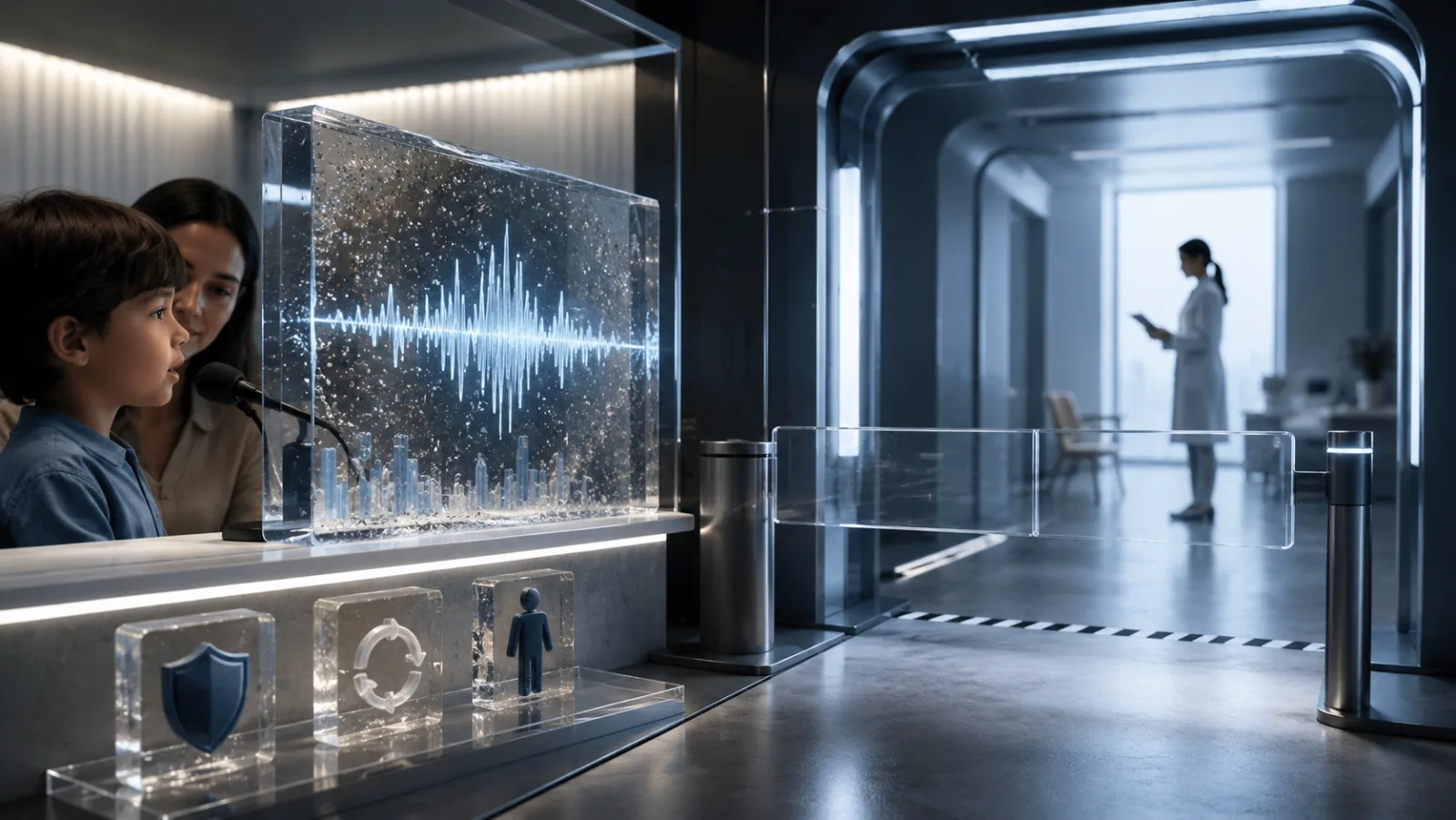
TL;DR for operators The paper presents a narrowly scoped screening pipeline for detecting common Polish sibilant substitutions in children.1 It does not attempt to transcribe unrestricted speech, diagnose a speech sound disorder, or replace a speech-language pathologist. That restraint is not an apology. It is the architecture. The system works by preserving non-canonical pronunciations as explicit tokens, aligning them against a known prompted pronunciation, converting the difference into a structured error description, and allowing a caregiver-facing assistant to speak only through clinician-reviewable templates. ...

July 15, 2026 · 19 min · Zelina
Cover image

When 30 Seconds Isn’t Enough: Engineering Long-Form Bangla ASR & Diarization

Call recordings are rude. They do not arrive in clean 15-second snippets. They run for minutes or hours. Speakers interrupt each other. Background noise leaks in. Someone moves away from the microphone. Someone else speaks over music, traffic, or a ceiling fan that apparently believes it deserves co-author status. This is where many speech AI demos quietly stop being impressive. ...

March 1, 2026 · 12 min · Zelina
Cover image

Fog of Neuro: Why Speech May Become the Next MRI

Fog of Neuro: Why Speech May Become the Next MRI Speech is a strange medical instrument. It does not look like one. It does not come with a scanner room, a radiology report, or a patient lying very still while a machine complains loudly. It comes out in ordinary life: a story, a pause, a word search, a sentence that loses its thread halfway through. For many neurological conditions, especially rare metabolic and neurodegenerative diseases, that ordinary speech may contain something today’s clinic often misses: the patient’s real cognitive state between appointments. ...

December 5, 2025 · 13 min · Zelina