Cover image

Longer Yet Dumber: Why LLMs Fail at Catching Their Own Coding Mistakes

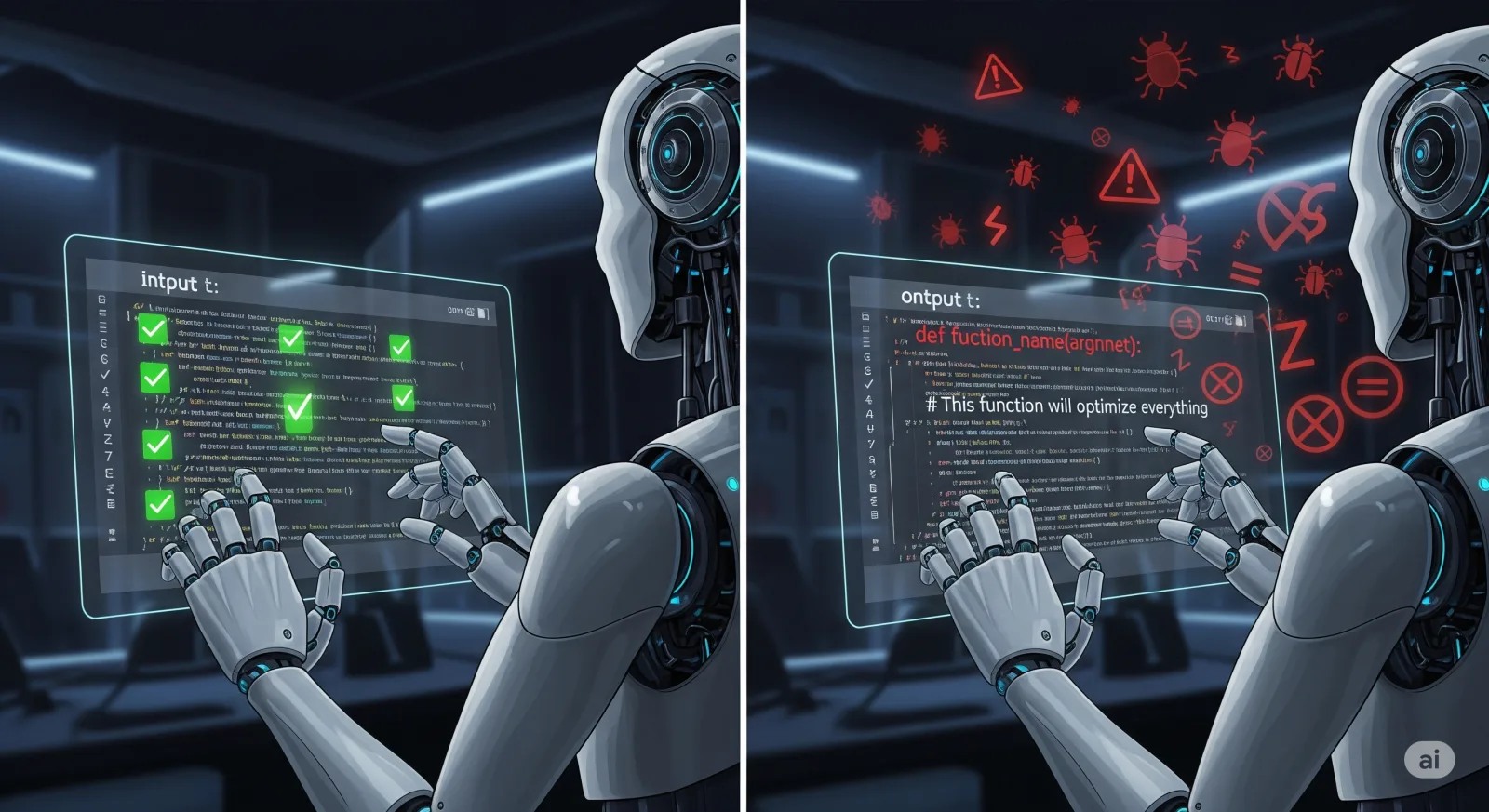
TL;DR for operators Code review usually starts after code exists. FPBench argues that this is already too late. The paper behind FPBench tests whether large language models can detect faulty premises in code-generation requests before obediently producing code from them.1 The answer is awkward. Many models can identify the flaw when explicitly told to check the question first, but most do not do so proactively. They behave less like careful engineers and more like very fast interns with a tragic respect for bad tickets. ...

August 6, 2025 · 14 min · Zelina
Cover image

From Autocomplete to Autonomy: How LLM Code Agents are Rewriting the SDLC

TL;DR for operators The useful question is no longer “Can an LLM write code?” It can. Often quite well, occasionally with the confidence of a junior developer who has just discovered Stack Overflow and caffeine. The better question is: which parts of the software development lifecycle can be safely handed to an agentic workflow, and under what controls? ...

August 4, 2025 · 17 min · Zelina
Cover image

The Butterfly Defect: Diagnosing LLM Failures in Tool-Agent Chains

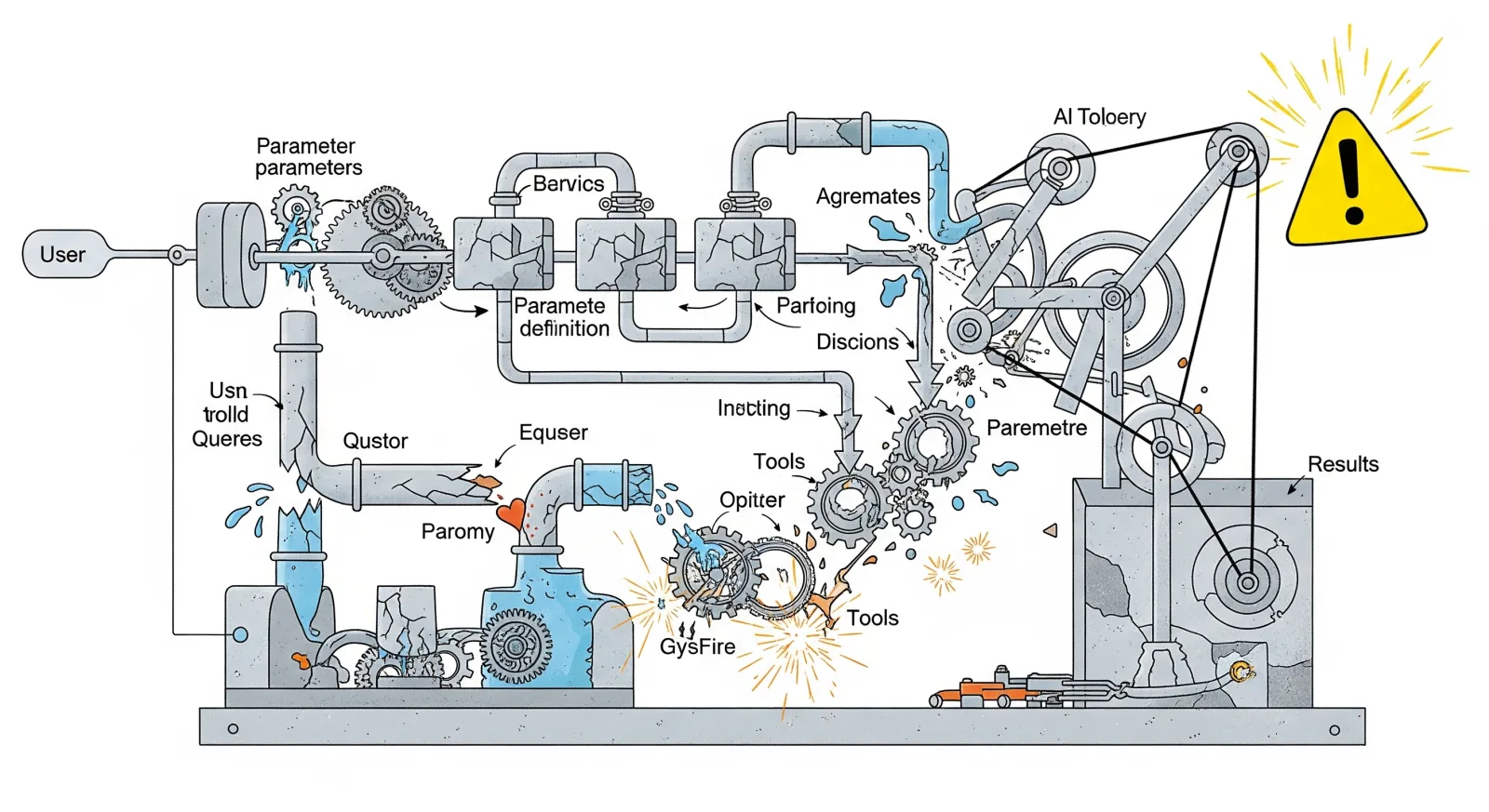
TL;DR for operators Most LLM agent failures are still discussed as if the model had a grand philosophical lapse: bad reasoning, weak planning, insufficient context, not enough “agenticness” sprinkled on top. This paper points to a less glamorous culprit: parameter filling. A tool-agent chain can fail because the model supplies the wrong field name, omits a required value, invents a value not present in the user request, misreads a tool return, or follows a type description that was wrong in the first place.1 ...

July 22, 2025 · 16 min · Zelina
Cover image

The Debugger Awakens: Why Kodezi Chronos Leaves GPT-4 in the Dust

TL;DR for operators Kodezi Chronos is interesting because it does not treat debugging as “write better code from a longer prompt.” It treats debugging as a full maintenance workflow: retrieve the right repository context, reason across code and history, generate a patch, run tests, inspect failure, revise, document, and remember what happened next time.1 ...

July 19, 2025 · 18 min · Zelina
Cover image

Beyond Stack Overflow: CodeAssistBench Exposes the Real Gaps in LLM Coding Help

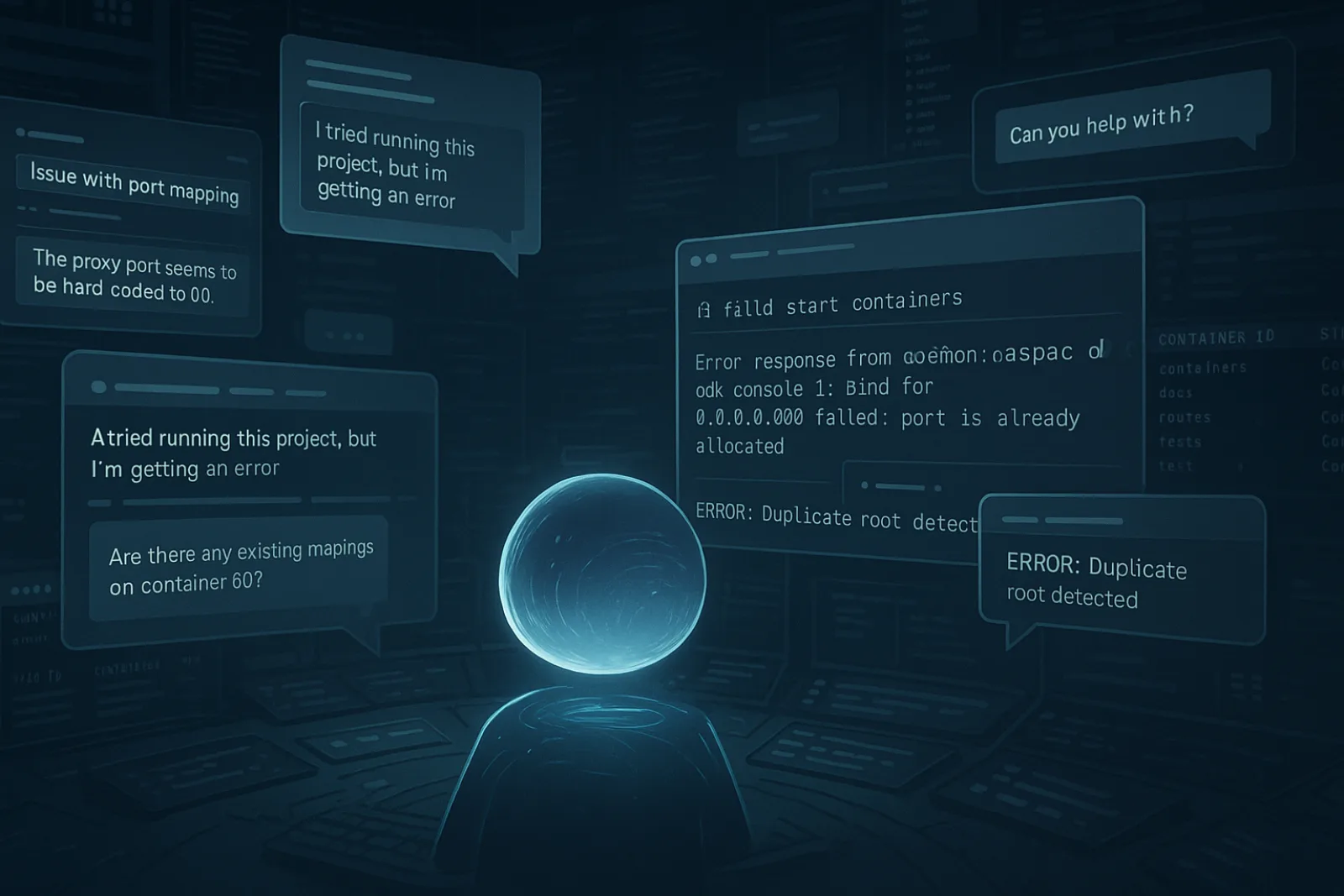
TL;DR for operators Coding assistants look much better when the task is a clean question than when the task is a messy software support conversation. That is the inconvenient point of CodeAssistBench, or CAB, a benchmark that turns resolved GitHub issues into multi-turn, project-grounded conversations where a model must behave like a maintainer, not a code-snippet vending machine.1 ...

July 16, 2025 · 17 min · Zelina
Cover image

The First Hurdle: Why Coding Agents Struggle with Setup

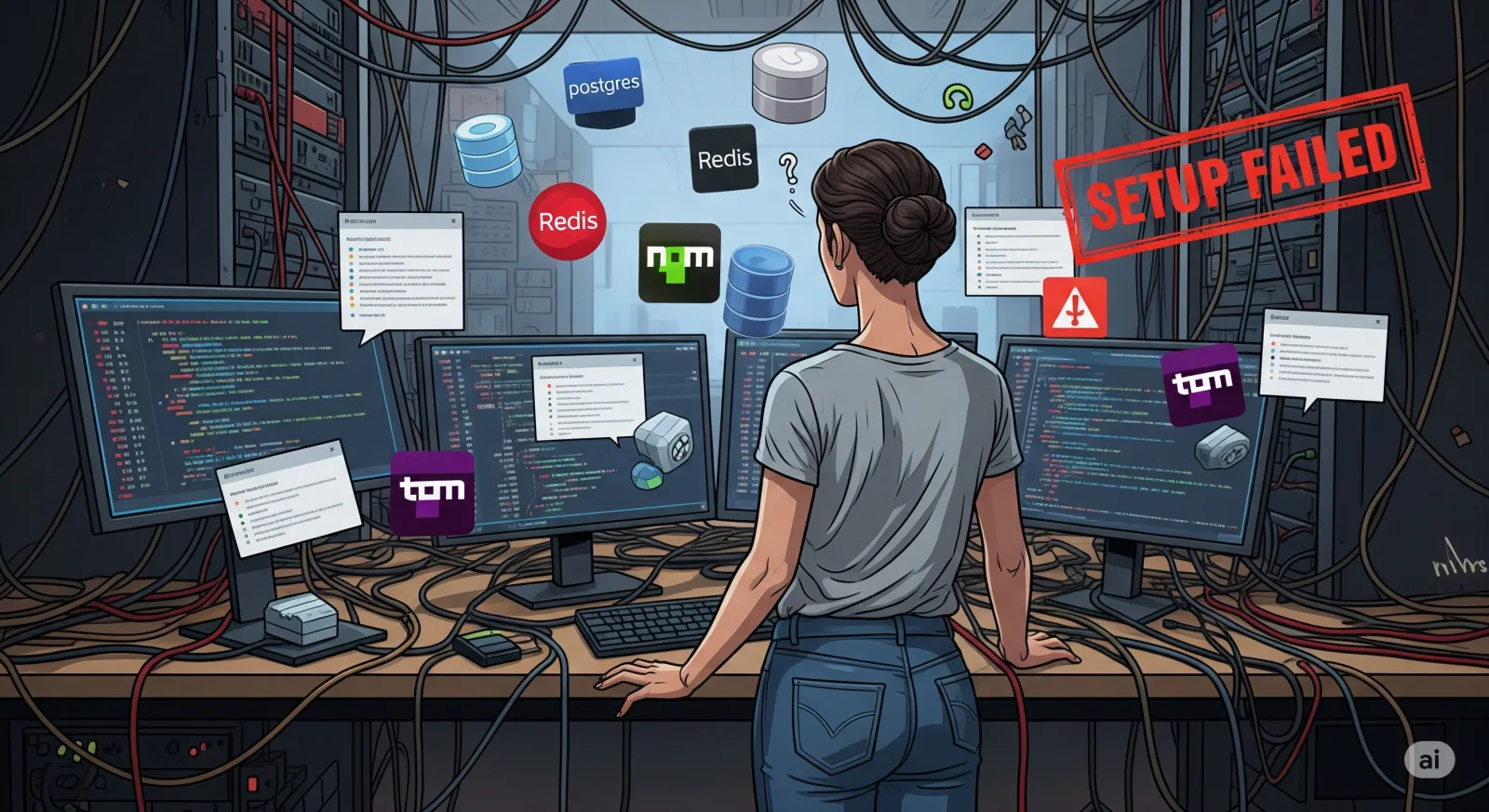
TL;DR for operators Setup is where many AI coding-agent promises meet the concrete floor. The SetupBench paper introduces a 93-task benchmark that asks software engineering agents to do something less glamorous than writing a clever patch: start from a bare Linux sandbox, install what is missing, resolve dependency conflicts, initialise databases, configure services, and prove the environment works through a deterministic validation command.1 ...

July 15, 2025 · 16 min · Zelina
Cover image

Guardians of the Chain: How Smart-LLaMA-DPO Turns Code into Clarity

TL;DR for operators Smart-LLaMA-DPO is not interesting because it puts another LLM badge on smart contract auditing. We have enough badges. It is interesting because it shows a credible mechanism for making an LLM behave more like a useful junior security analyst: read the contract, identify whether the vulnerability is real, locate the issue, and explain the reasoning in a way a developer can act on. ...

June 24, 2025 · 16 min · Zelina