Cover image

Sovereign Syntax: How Poland Built Its Own LLM Empire

Opening — Why this matters now The world’s most powerful language models still speak one tongue: English. From GPT to Claude, most training corpora mirror Silicon Valley’s linguistic hegemony. For smaller nations, this imbalance threatens digital sovereignty — the ability to shape AI in their own cultural and legal terms. Enter PLLuM, the Polish Large Language Model, a national-scale project designed to shift that equilibrium. ...

November 9, 2025 · 3 min · Zelina
Cover image

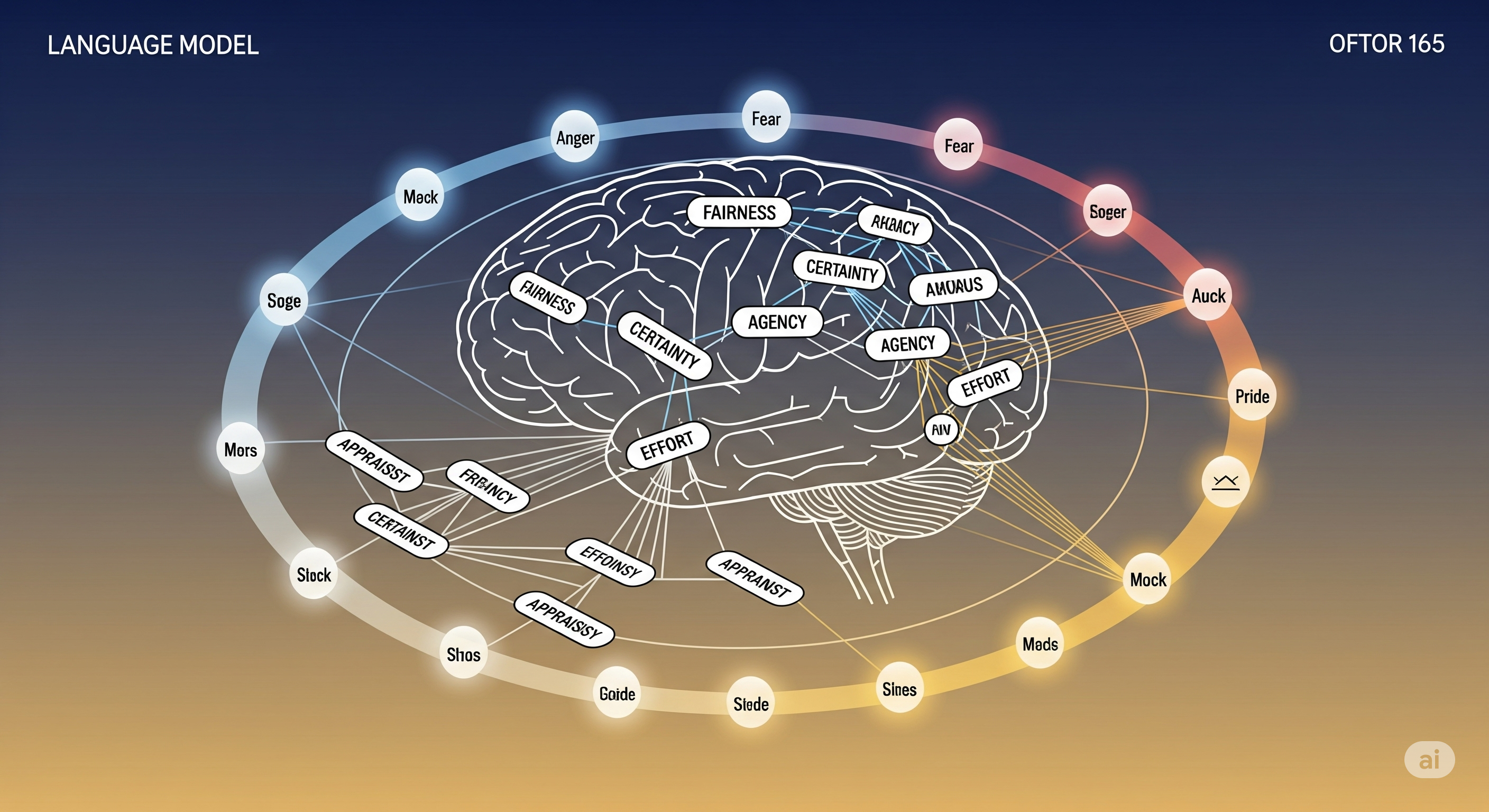
Fair or Foul? How LLMs ‘Appraise’ Emotions

Most AI conversations equate “emotional intelligence” with sentiment labels. Humans don’t work that way. We appraise situations—Was it fair? Could I control it? How much effort will this take?—and then feel. This study puts that lens on large language models and asks a sharper question: Do LLMs reason about emotions through cognitive appraisals, and are those appraisals human‑plausible? What CoRE Actually Measures (and Why It’s Different) CoRE — Cognitive Reasoning for Emotions evaluates seven LLMs across: ...

August 11, 2025 · 4 min · Zelina
Cover image

Unsafe at Any Bit: Patching the Safety Gaps in Quantized LLMs

When deploying large language models (LLMs) on mobile devices, edge servers, or any resource-constrained environment, quantization is the go-to trick. It slashes memory and compute costs by reducing model precision from 16-bit or 32-bit floating points to 8-bit or even 4-bit integers. But there’s a problem: this efficiency comes at a cost. Quantization can quietly erode the safety guarantees of well-aligned models, making them vulnerable to adversarial prompts and jailbreak attacks. ...

June 26, 2025 · 3 min · Zelina