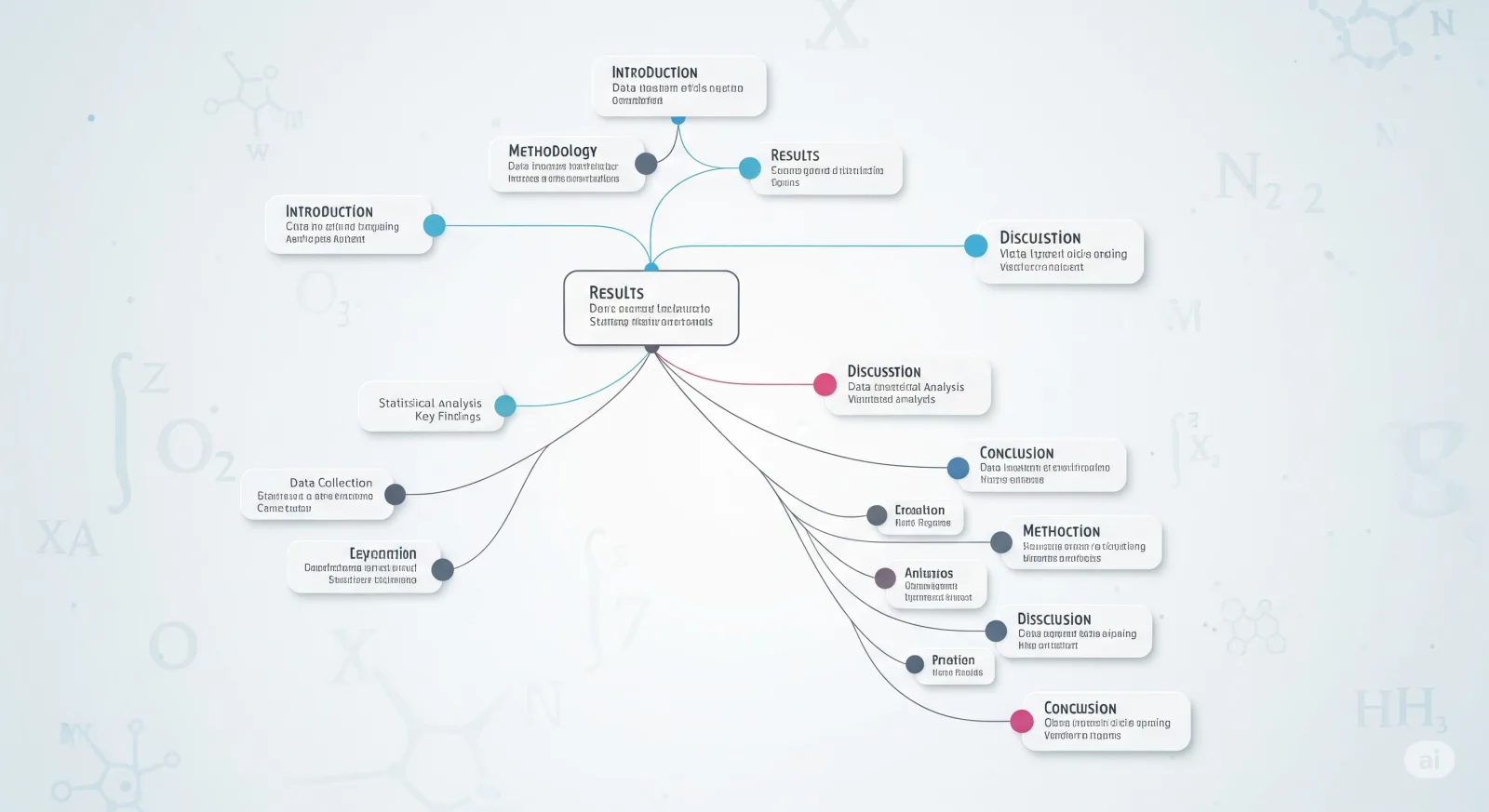
From Scroll to Structure: Rethinking Academic Reading with TreeReader
TL;DR for operators TreeReader is not interesting because it uses an LLM to summarise papers. That part is now table stakes, which is a polite way of saying everyone has already built the demo. It is interesting because it treats a paper as a hierarchy rather than a scroll. Sections, subsections, paragraphs, figures, and tables become nodes in an interactive tree. Each node gets a concise LLM-generated summary, and the user can expand downward when detail is needed or move upward when context matters. Crucially, summaries are linked back to source text, so the system does not ask the reader to trust the model’s charming little hallucination engine on vibes alone.1 ...