Cover image

From Pixels to Patterns: Teaching LLMs to Read Physics

Logs are useful until they become a landfill. Every serious automation system eventually produces the same awkward artifact: a long trace of what happened. A machine moved here. A sensor changed there. An object collided, rolled, paused, reversed, bounced, touched something else, and then the system reached—or failed to reach—the desired state. In principle, this trace contains the answer. In practice, it is the kind of answer that makes a language model stare at 5,000 tokens of coordinates and politely hallucinate a story. ...

February 11, 2026 · 18 min · Zelina
Cover image

When LLMs Stop Guessing and Start Complying: Agentic Neuro-Symbolic Programming

The problem is not that LLMs cannot write code. It is that they write the wrong kind too confidently. A familiar scene: someone gives an LLM a task, receives a block of code that looks elegant, runs it, and discovers that it has invented an API, misunderstood the library, or solved a neighboring problem with excellent grammar. This is annoying when the target is ordinary Python. It is worse when the target is a specialized framework where the code is supposed to encode logic, constraints, and domain structure. ...

January 5, 2026 · 13 min · Zelina
Cover image

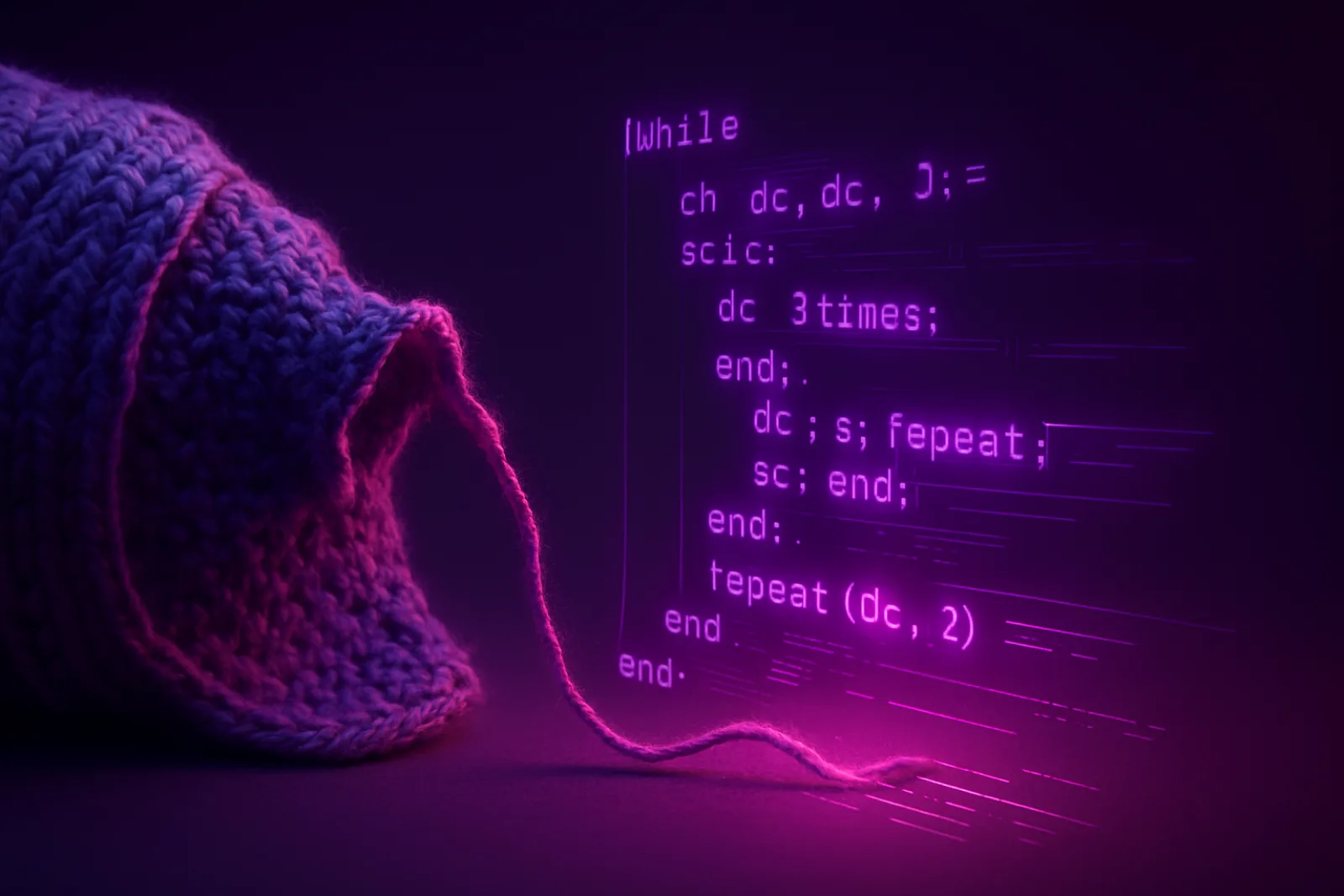
From Yarn to Code: What CrochetBench Reveals About AI’s Procedural Blind Spot

A pattern is not a caption. That sounds obvious until a multimodal model looks at a finished object, produces a confident set of instructions, and everyone in the room quietly rounds “looks plausible” up to “can build it.” This is one of the industry’s more expensive habits: mistaking descriptive competence for operational competence. The model can say what is there. Therefore, surely, it can infer how to make it. Very neat. Very wrong. ...

November 13, 2025 · 16 min · Zelina
Cover image

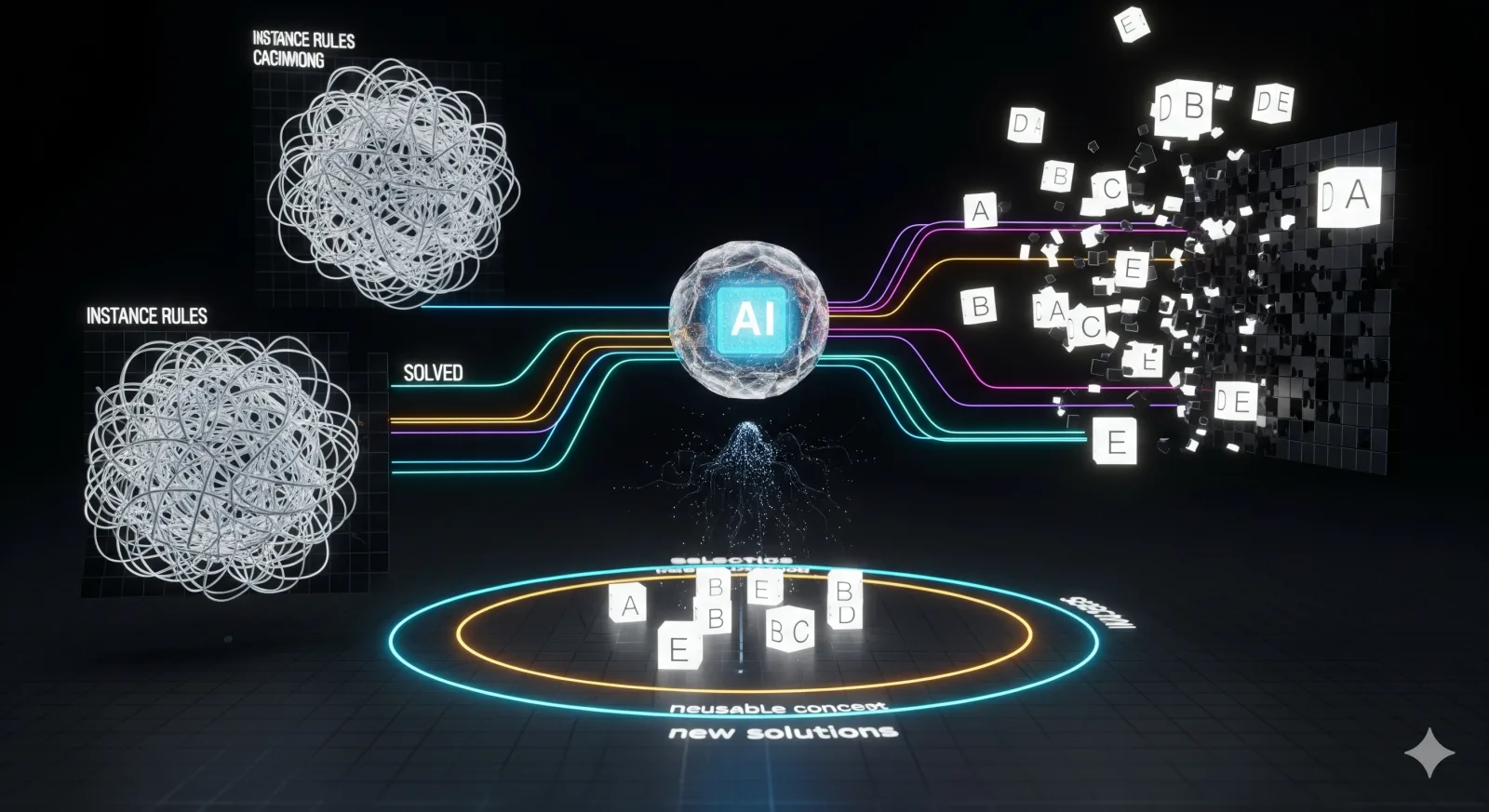
Pieces, Not Puzzles: How ArcMemo Turns LLM Reasoning into Reusable Skills

Tickets repeat. Spreadsheets repeat. Compliance reviews repeat. Code reviews repeat. Not exactly, of course. That would be merciful. They repeat with just enough variation to make last month’s solution almost useful and therefore mildly dangerous. This is where many enterprise “AI memory” systems become filing cabinets with delusions of competence. They store prior chats, snippets, tickets, documents, and summaries, then hope the next prompt will rhyme closely enough with something in the archive. Sometimes it does. Often it does not. The agent remembers the old puzzle, not the transferable piece. ...

September 8, 2025 · 15 min · Zelina