Cover image

Better Wrong Than Certain: How AI Learns to Know When It Doesn’t Know

Why this matters now AI models are no longer mere prediction machines — they are decision-makers in medicine, finance, and law. Yet for all their statistical elegance, most models suffer from an embarrassing flaw: they rarely admit ignorance. In high-stakes applications, a confident mistake can be fatal. The question, then, is not only how well a model performs — but when it should refuse to perform at all. ...

November 10, 2025 · 4 min · Zelina
Cover image

What Happens in Backtests… Misleads in Live Trades

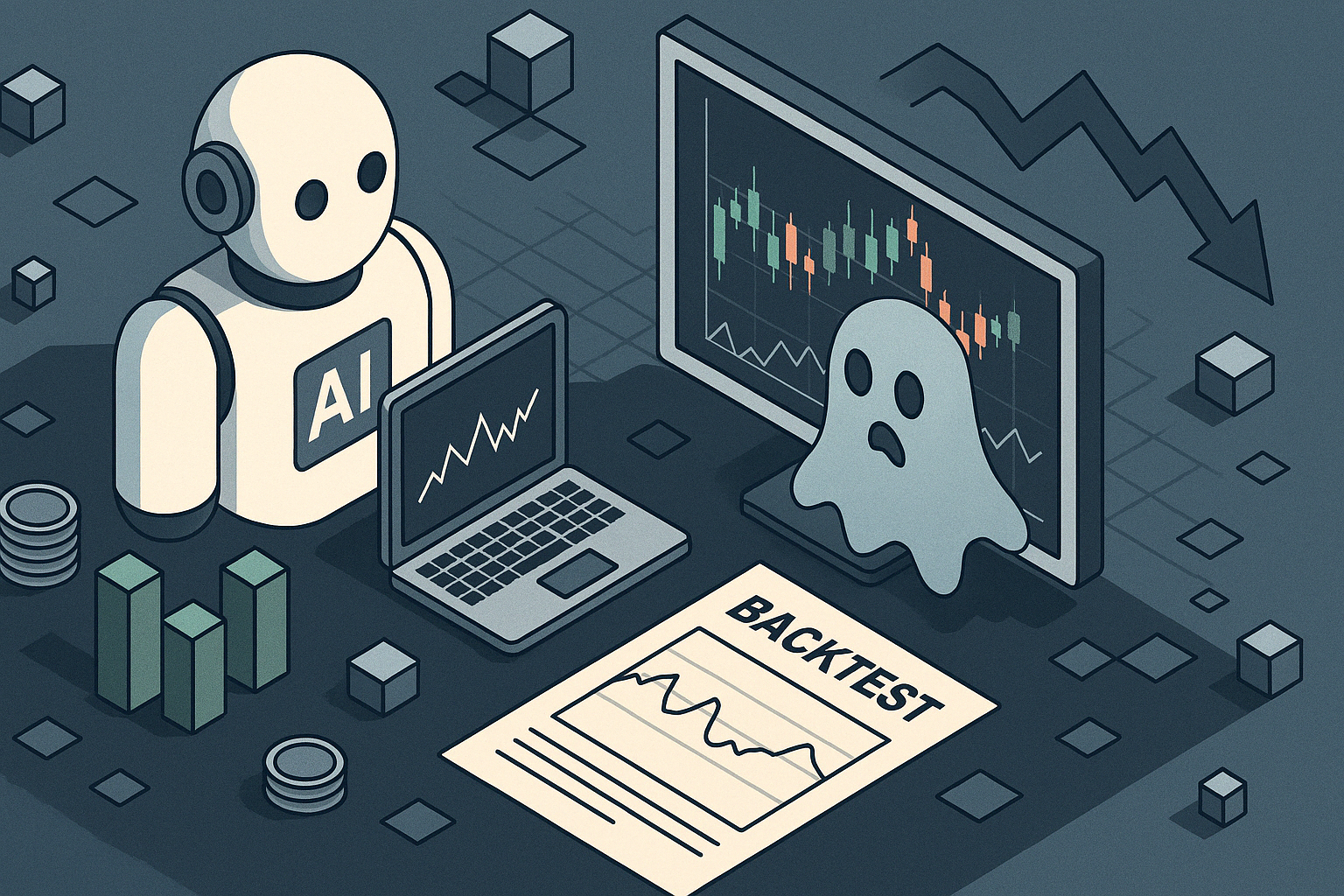
When your AI believes too much, you pay the price. AI-driven quantitative trading is supposed to be smart—smarter than the market, even. But just like scientific AI systems that hallucinate new protein structures that don’t exist, trading models can conjure signals out of thin air. These errors aren’t just false positives—they’re corrosive hallucinations: misleading outputs that look plausible, alter real decisions, and resist detection until it’s too late. The Science of Hallucination Comes to Finance In a recent philosophical exploration of AI in science, Charles Rathkopf introduced the concept of corrosive hallucinations—a specific kind of model error that is both epistemically disruptive and resistant to anticipation1. These are not benign missteps. They’re illusions that change the course of reasoning, especially dangerous when embedded in high-stakes workflows. ...

April 15, 2025 · 7 min