Cover image

K-Means, K-Gone: Sparse Coding and the Retrieval Bottleneck

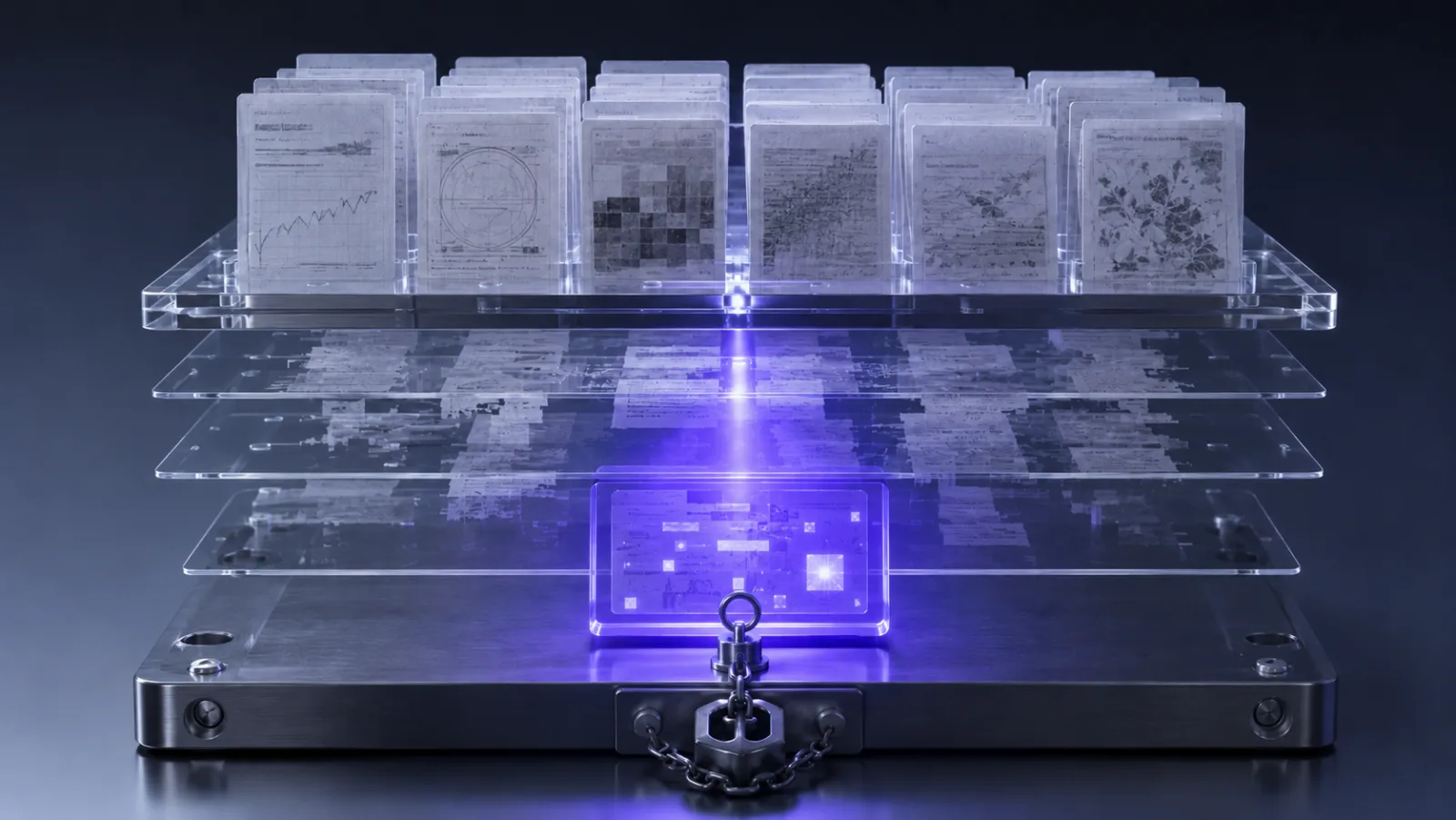
Indexing is where many retrieval systems quietly become expensive. The demo looks harmless: upload documents, create embeddings, ask questions, receive answers with citations. Then the corpus starts behaving like a real business corpus. Policies change. Product pages are rewritten. Compliance documents are replaced. Support tickets arrive every hour. The retrieval layer must keep up, and suddenly the glamorous RAG stack is waiting for the plumbing to rebuild itself. As usual, the least photogenic component is the one holding the invoice. ...

June 2, 2026 · 21 min · Zelina
Cover image

RAG and the Art of Not Dropping the Answer

RAG and the Art of Not Dropping the Answer A RAG team usually starts with a familiar ambition: make the retrieved context smarter. The raw document feels too long. The search snippet feels too primitive. The page structure looks messy. A query-focused summary sounds more elegant. A proposition list sounds more machine-readable. A paraphrase from a strong LLM sounds, at least cosmetically, like an upgrade. So the team builds another representation layer between retrieval and generation, hoping the model will reward the extra sophistication. ...

June 2, 2026 · 16 min · Zelina
Cover image

Read the Receipt: Why RAG Should Highlight Before It Answers

Search looks easy until someone asks where the answer actually came from. A researcher types a rough query into a literature assistant. The system retrieves several papers, writes a fluent answer, and appends citations. Everyone relaxes a little. The citation tag has done its small administrative magic. The answer now looks grounded. ...

May 30, 2026 · 15 min · Zelina
Cover image

Wide Thinking, Narrow Context: Why InfoSeeker Rewrites the Economics of AI Search

A spreadsheet is a cruel test of artificial intelligence. Not the toy spreadsheet used in demos, with six rows, three columns, and a suspiciously cooperative universe. I mean the kind of table a real analyst asks for: every qualifying supplier in a region, every product SKU released over a decade, every regulatory filing matching a narrow condition, every competitor with exact addresses, dates, sources, and no missing cells because apparently human suffering needs columns. ...

April 6, 2026 · 16 min · Zelina
Cover image

No More ‘Trust Me, Bro’: Statistical Parsing Meets Verifiable Reasoning

AI systems are very good at saying things. This is both the miracle and the invoice. In enterprise settings, the sentence itself is rarely the final product. A compliance officer does not only want an answer about whether a clause violates policy. A credit analyst does not only want a summary of why a borrower looks risky. A procurement team does not only want a generated explanation of why Vendor A seems eligible. They want to know what the system used, which rule it applied, where the uncertainty sits, and whether the conclusion survives when the evidence changes. ...

February 13, 2026 · 17 min · Zelina
Cover image

When Words Start Walking: Rethinking Semantic Search Beyond Averages

Search fails in a very ordinary way. A lawyer looks for a clause without remembering the exact wording. A finance analyst searches a prospectus for an operating-profit statement, but types only the economic idea. A compliance officer remembers a person’s role, not the sentence where the role was declared. The system returns either too much, too little, or the wrong thing wearing the right keywords. Everyone then calls it “semantic search,” because apparently disappointment sounds better in Greek. ...

February 8, 2026 · 15 min · Zelina
Cover image

Beyond Cosine: When Order Beats Angle in Embedding Similarity

Search has a small ritual. Take two embeddings, compute cosine similarity, rank the results, and move on. The ritual is fast, familiar, and usually good enough. It is also so deeply embedded in AI infrastructure that many teams treat it less like a modeling choice and more like plumbing. That is convenient. It is not always innocent. ...

February 7, 2026 · 14 min · Zelina
Cover image

Fusion Cuisine for RAG: Z‑Scores, Rankers, and the Two‑Source Diet

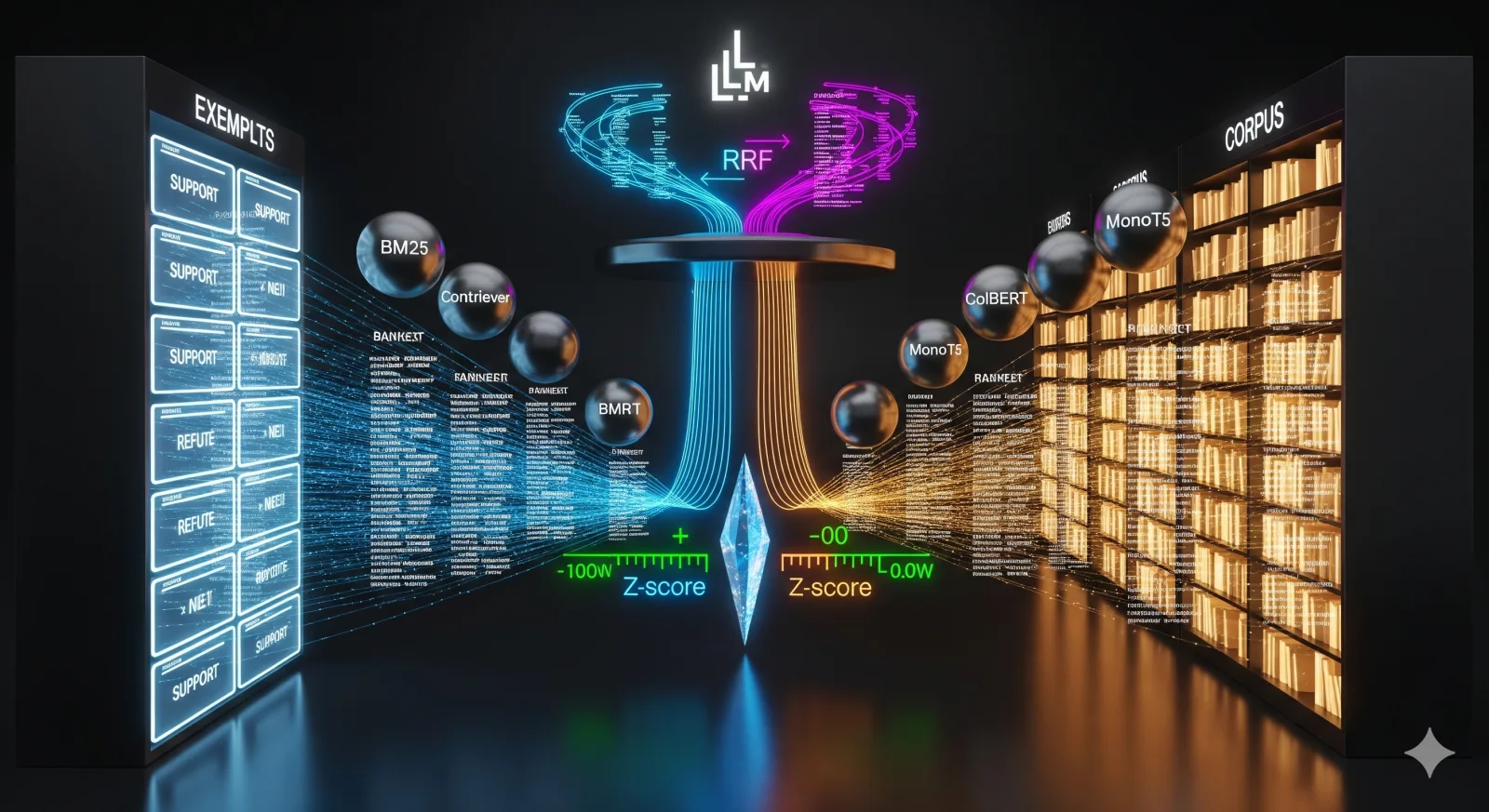
A RAG system usually fails in one of two annoyingly familiar ways. It retrieves documents that are factually relevant but gives the model no clue about the task’s decision boundary. Or it retrieves labelled examples that show the decision pattern but are too parochial to help when the topic drifts. One source knows the world. The other knows the exam rubric. Naturally, many systems pick one and then pretend the compromise was strategy. ...

September 6, 2025 · 15 min · Zelina
Cover image

Grounded and Confused: Why RAG Systems Still Fail in the Enterprise

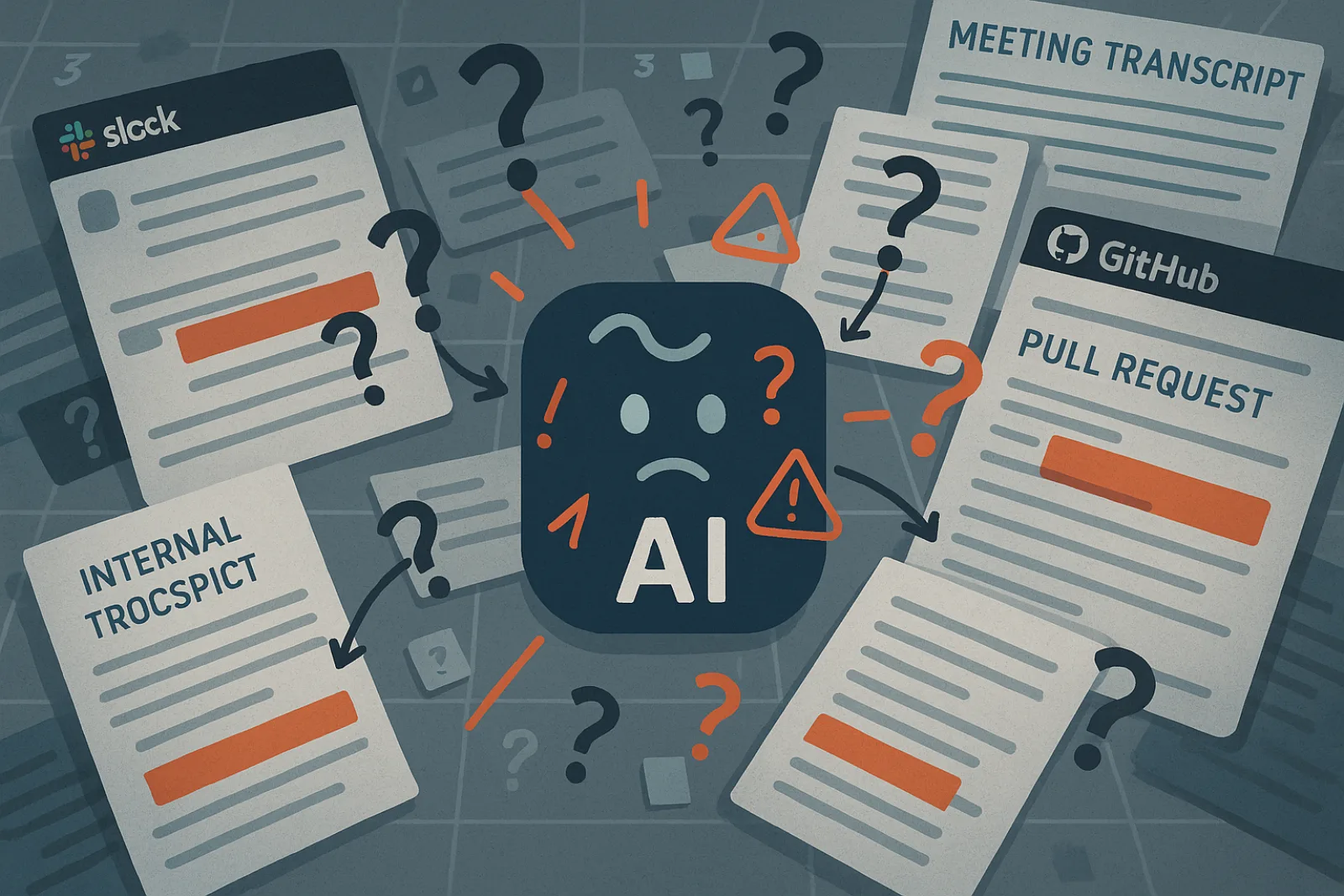
TL;DR for operators Enterprise RAG does not fail because the chatbot forgot to sound confident. It fails because the answer is often scattered across the least glamorous parts of the company: Slack threads, meeting transcripts, pull requests, document revisions, customer reports, employee metadata, and URLs somebody pasted into a chat six weeks ago. ...

July 1, 2025 · 20 min · Zelina