Cover image

From Copilot to Colleague: The APCP Ladder for Agentic Learning

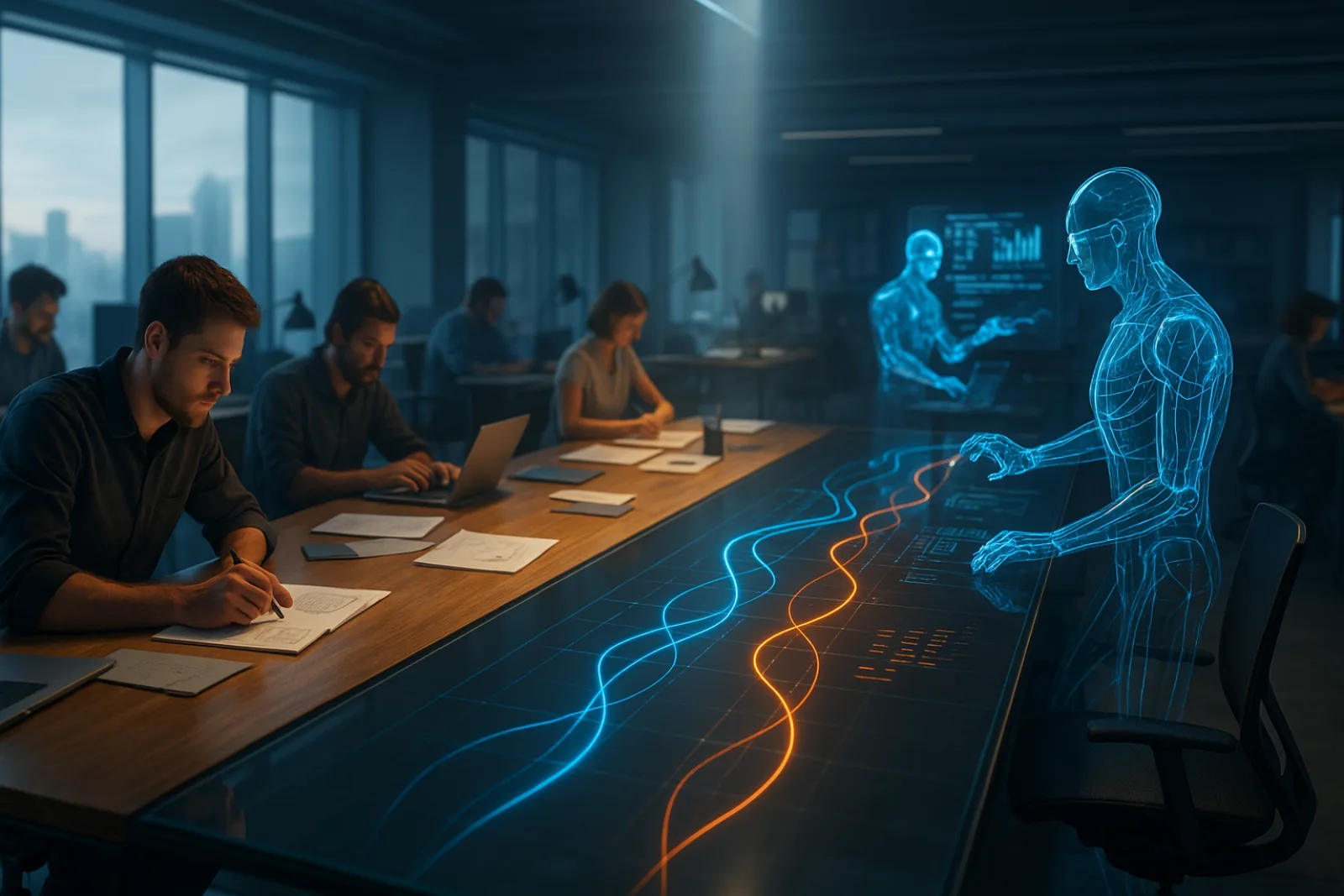
TL;DR for operators The useful part of the APCP framework is not that it gives AI another grand title. We already have enough of those. Its value is that it separates four very different product promises that are often mashed together under “AI learning assistant”: an AI that executes commands, an AI that nudges, an AI that shares cognitive work, and an AI that behaves like a peer collaborator.1 ...

August 23, 2025 · 20 min · Zelina
Cover image

From Black Box to Glass Box: DeepVIS Makes Data Visualization Explain Itself

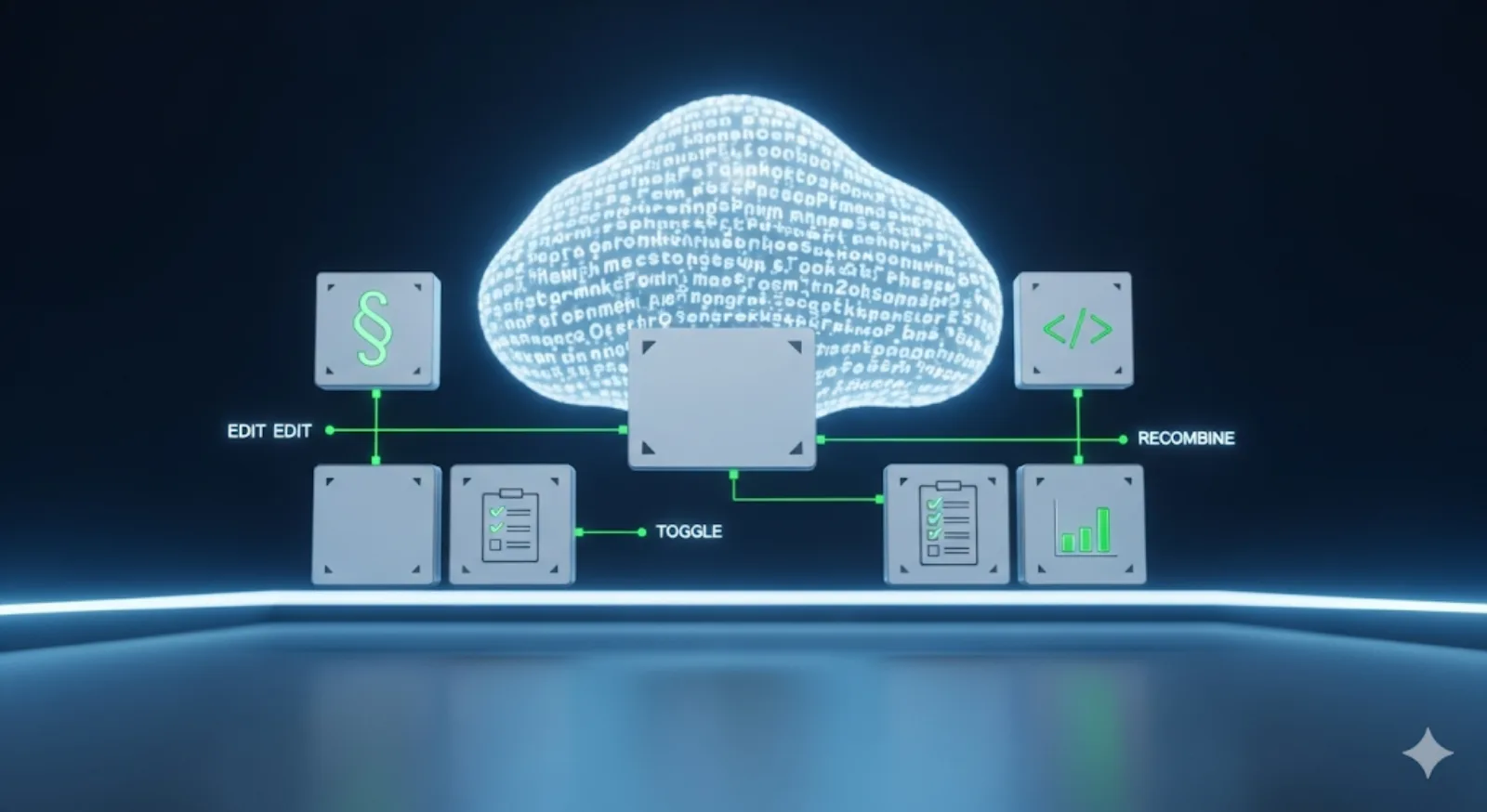
TL;DR for operators DeepVIS is not interesting because it adds “think step by step” decoration to chart generation. That would be a very 2025 way to make a simple tool verbose, which is not the same thing as making it useful. The paper’s real contribution is more operational: it turns the hidden middle of AI-assisted visualization into editable product surface area. Instead of asking a model for a chart and receiving a mysterious output, the user can inspect the path from business intent to chart type, selected columns, grouping logic, filtering, sorting, and final visualization specification.1 ...

August 9, 2025 · 18 min · Zelina
Cover image

Truth, Beauty, Justice, and the Data Scientist’s Dilemma

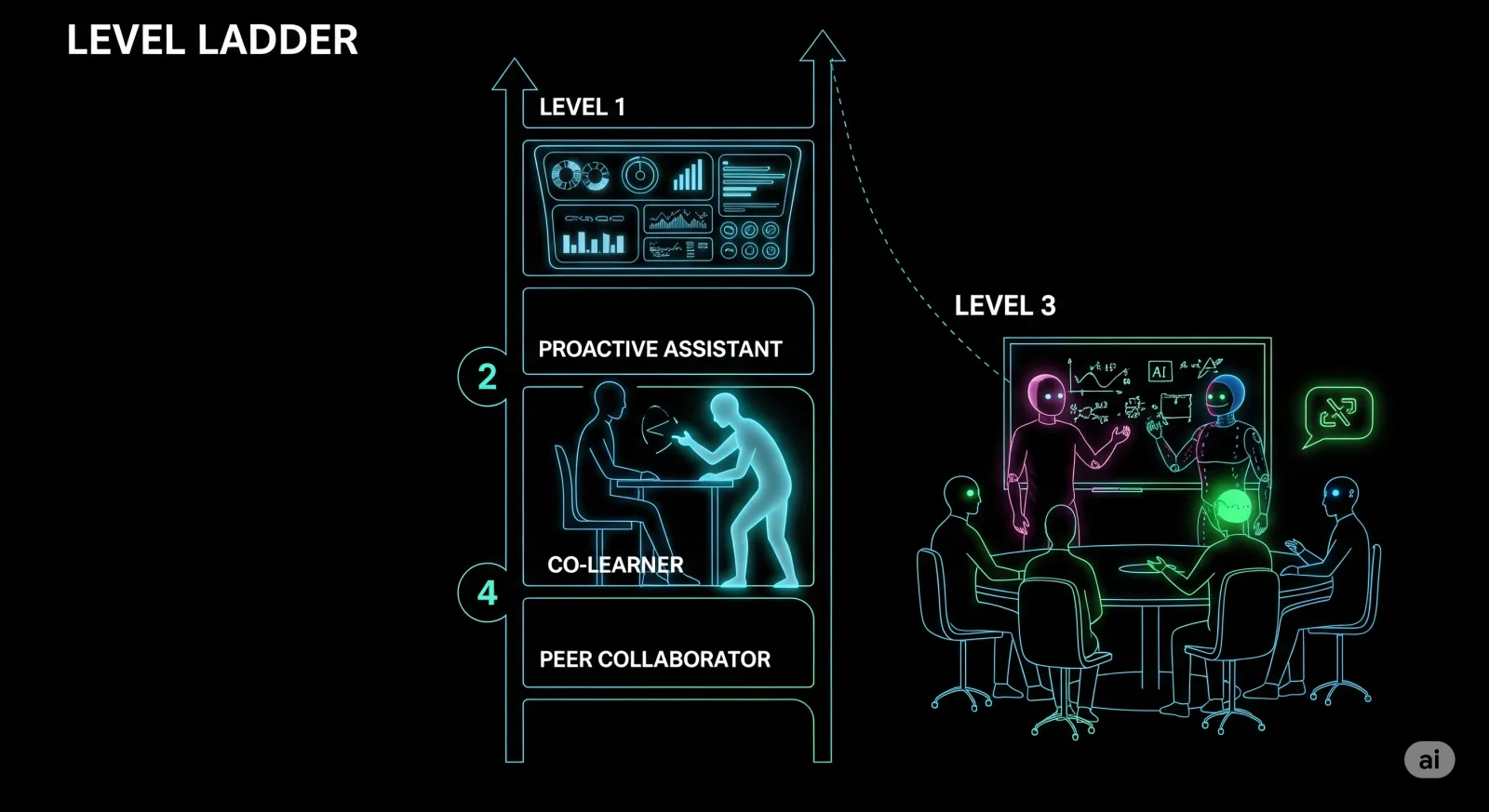
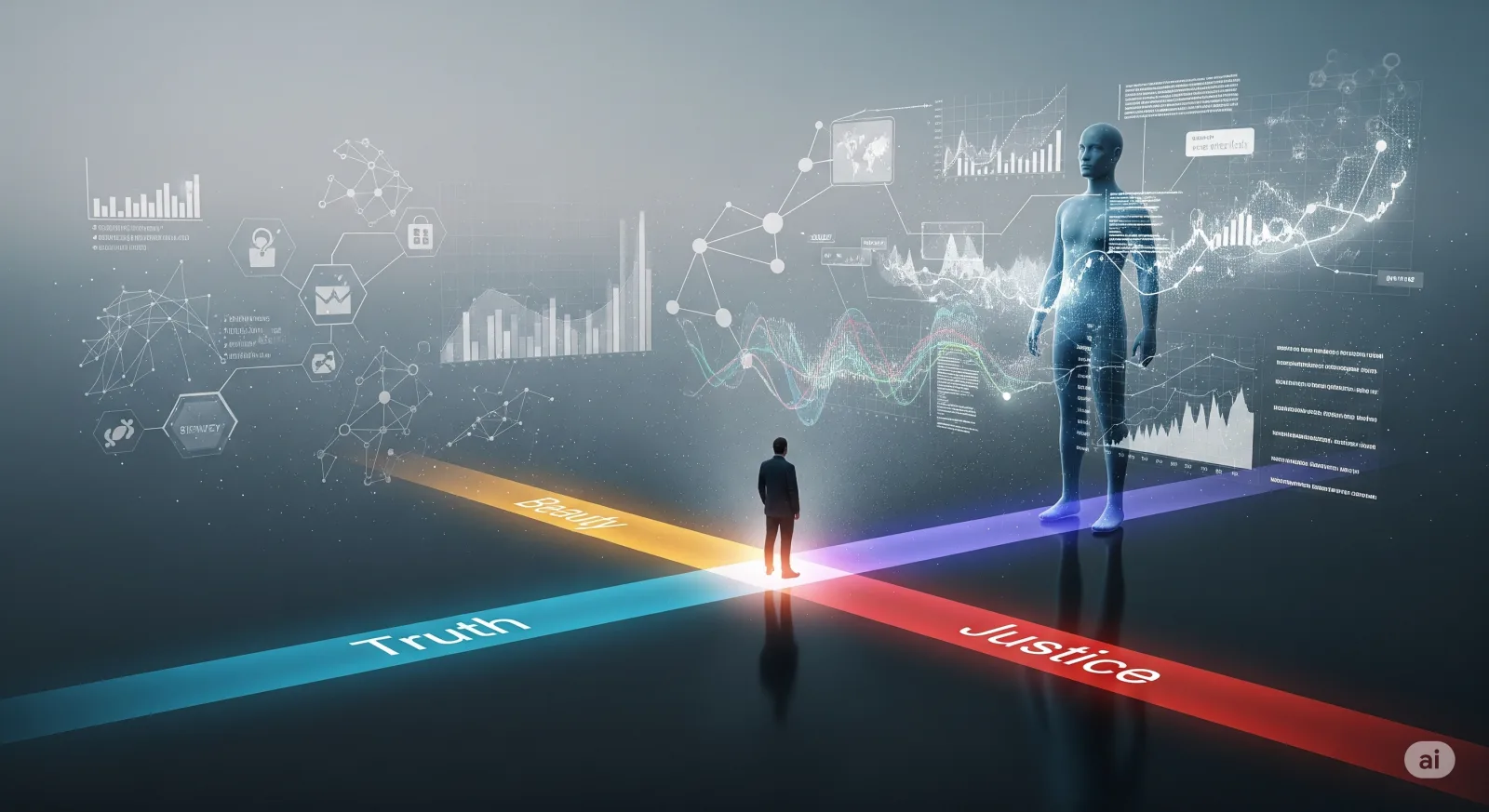
TL;DR for operators The useful question is not whether AI will “replace data scientists”. That framing is wonderfully dramatic and operationally lazy. Timpone and Yang’s paper, AI, Humans, and Data Science: Optimizing Roles Across Workflows and the Workforce, gives a better mechanism: allocate human and AI work by asking what kind of quality each workflow stage needs.1 Early planning needs creative breadth and problem definition. Execution needs accurate, valid, and ethically defensible data and modelling. Activation needs contextual interpretation, stakeholder judgement, and responsible action. ...

July 17, 2025 · 16 min · Zelina
Cover image

Mind Games for Machines: How Decrypto Reveals the Hidden Gaps in AI Reasoning

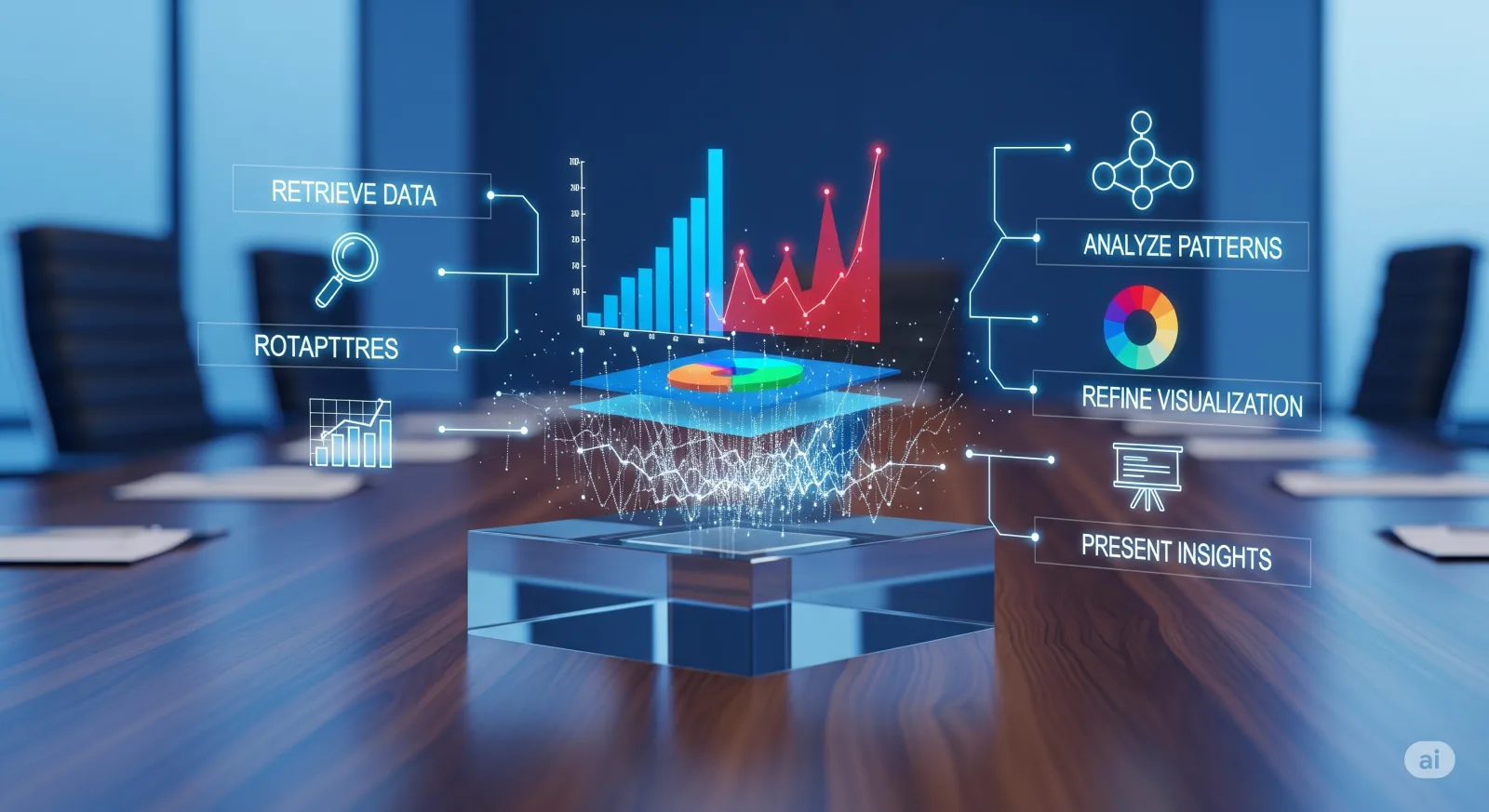
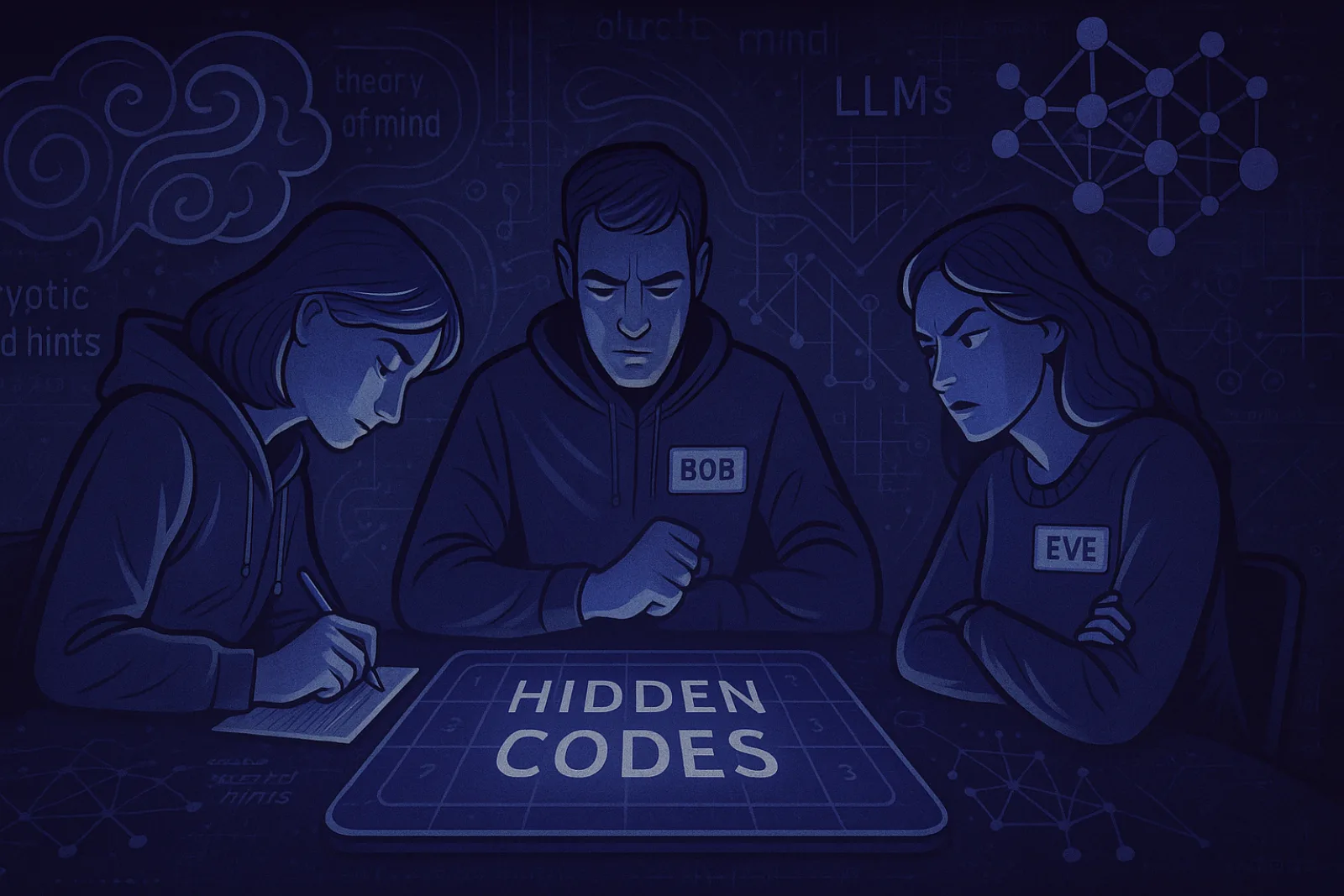
TL;DR for operators Meetings are easy to automate until someone has to understand what everyone else thinks everyone else knows. That is the useful discomfort created by Decrypto, a new benchmark for multi-agent reasoning and theory of mind in language models.1 The benchmark is built around a simple word game. Alice and Bob share four secret keywords. Alice receives a three-digit code and gives three public hints. Bob must recover the code. Eve sees the same hints but does not know the secret keywords and tries to intercept. Alice’s job is therefore not “give good clues.” It is “give clues calibrated to Bob’s knowledge while limiting Eve’s inference.” Welcome to enterprise communication, but with fewer calendar invites. ...

June 26, 2025 · 16 min · Zelina
Cover image

Divide and Conquer: How LLMs Learn to Teach

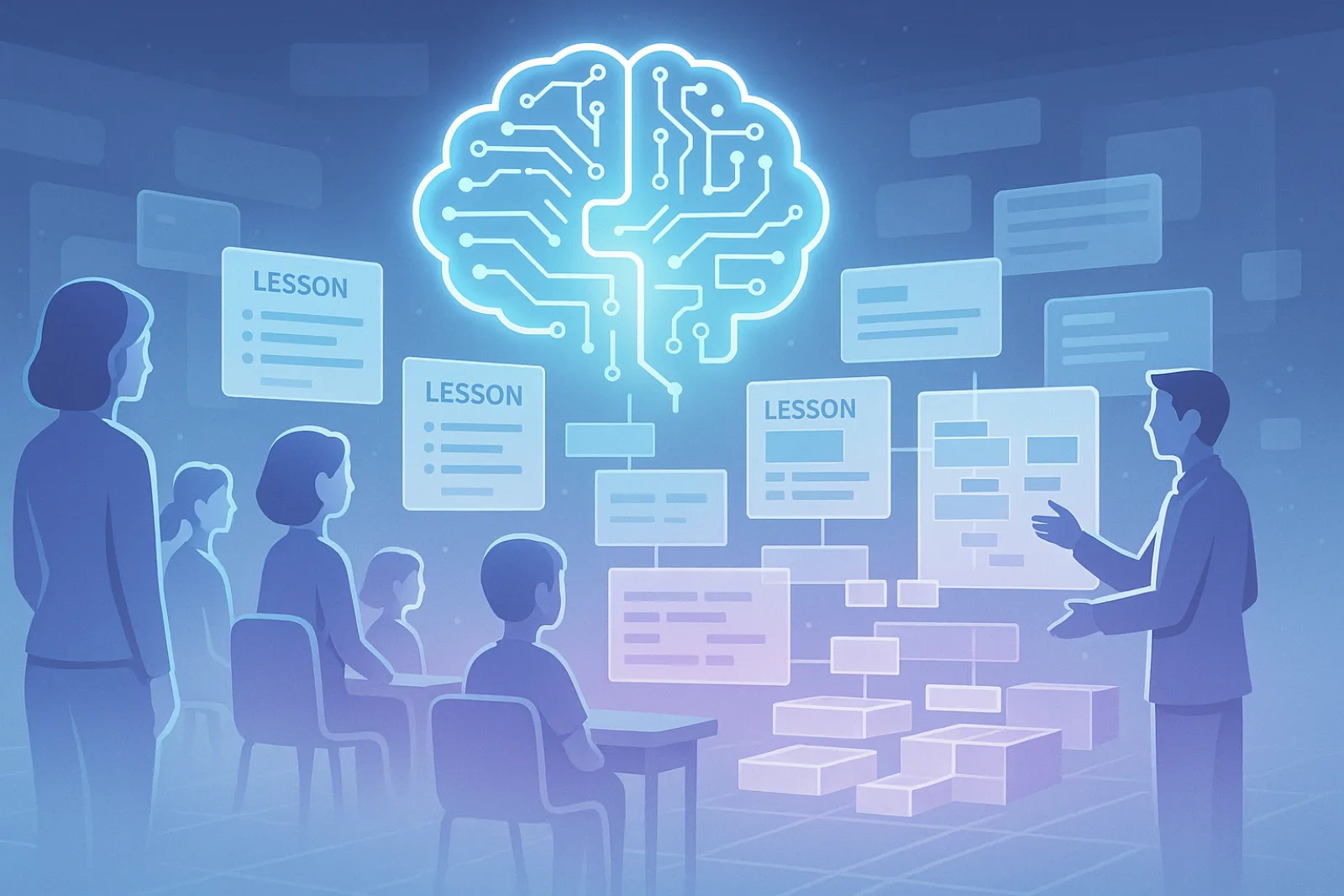
TL;DR for operators The useful finding is not “LLMs can write lessons.” They can, in the same way a junior analyst can write a memo: quickly, plausibly, and with enough confidence to become dangerous if nobody reads it. The paper tests GPT-4o with retrieval-augmented generation (RAG) for creating interactive, scenario-based lessons used to train novice human tutors in online middle-school mathematics.1 The lesson topics are practical rather than ornamental: encouraging student independence, encouraging help-seeking behaviour, and persuading students to turn cameras on during online tutoring. ...

June 24, 2025 · 17 min · Zelina
Cover image

Vibe Managing: When AI Becomes Your Co-Manager

TL;DR for operators Vibe managing is not “let the dashboard tell you how everyone feels.” That is not leadership; it is astrology with API access. The useful version is more precise: managers use AI to collect weak signals from work systems, simulate communication options, draft interventions, and track follow-through. The human manager still owns judgment, accountability, and trust. AI becomes a co-manager only in the operational sense: it helps manage context, not conscience. ...

March 22, 2025 · 15 min · Zelina