
Cover image

The Medical Error That Didn't Move the Score

TL;DR for operators A medical AI assistant can earn the same evaluation score before and after a clinically significant factual error is deliberately introduced. Across 6,344 matched answer pairs in three medical benchmarks, unchanged scores occurred in 57.7% to 89.2% of comparisons. The main problem is incomplete evaluation coverage: a rubric may thoroughly assess its specified requirements without examining the particular dosage, diagnostic threshold, or clinical claim that is wrong. ...
November 23, 2026 · 8 min · Zelina
Cover image

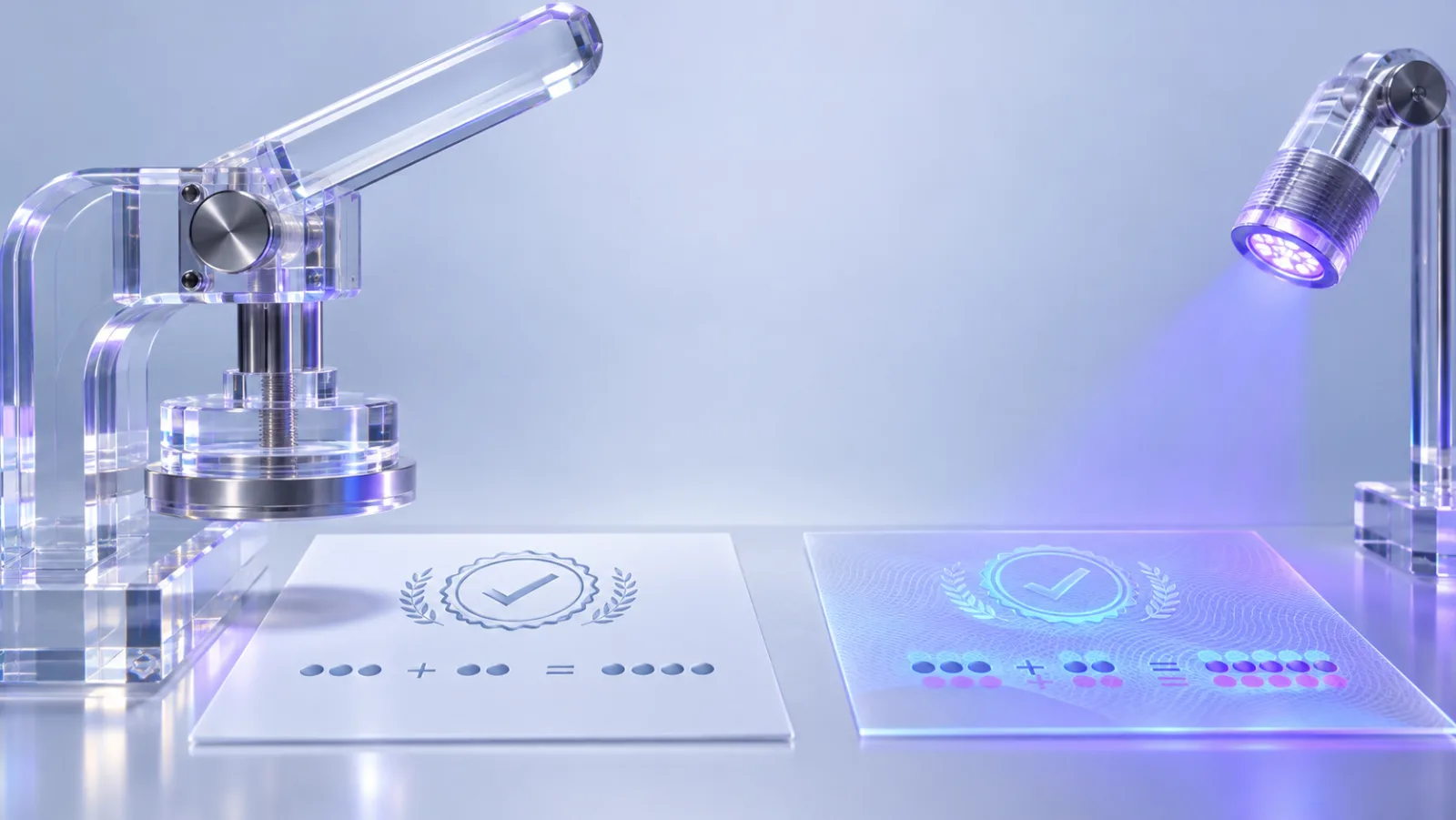
The Watermark That Changed the Answer

TL;DR for operators A retrieval-augmented generation system can find the correct evidence and still produce an incorrect fact after watermarking is enabled. In controlled experiments, KGW watermarking caused a 12.9-percentage-point net factual accuracy decrease on LLaMA 3.1 8B at a watermark detection rate of 90%, with false positives fixed at 1%. The problem comes from both altered token selection and the accumulated influence of earlier watermarked words. Researchers developed two complementary interventions that reduced this additional net accuracy loss to 0.9 percentage points at the same detection target, a 93.0% relative reduction. ...

November 23, 2026 · 7 min · Zelina