Cover image

RelayS2S: When AI Stops Waiting Its Turn

A voice assistant has one job before it has any other job: do not make the user wonder whether it heard them. That tiny silence after a user stops speaking is not merely awkward. It is a control signal. It tells the user whether the system is alive, attentive, confused, or quietly regretting its product roadmap. In text chat, a delay can be tolerated because the medium already feels asynchronous. In speech, delay feels personal. The room has a rhythm, and the machine has missed the beat. ...

March 25, 2026 · 16 min · Zelina
Cover image

From Perception to Empathy: Why Small Models May Win the Emotional AI Race

Customer support is where emotional AI often goes to embarrass itself. A user says, “Fine, whatever.” The system detects a neutral sentence. A human hears irritation, resignation, and possibly the final five seconds before churn. The difference is not vocabulary. It is context, tone, facial expression, timing, and the reason behind the emotion. Unfortunately, many “emotion AI” systems still behave as if the job is to pick a label from a menu: happy, sad, angry, neutral. Very scientific. Also very convenient, because menus are easier than people. ...

March 3, 2026 · 14 min · Zelina
Cover image

Fair or Foul? How LLMs ‘Appraise’ Emotions

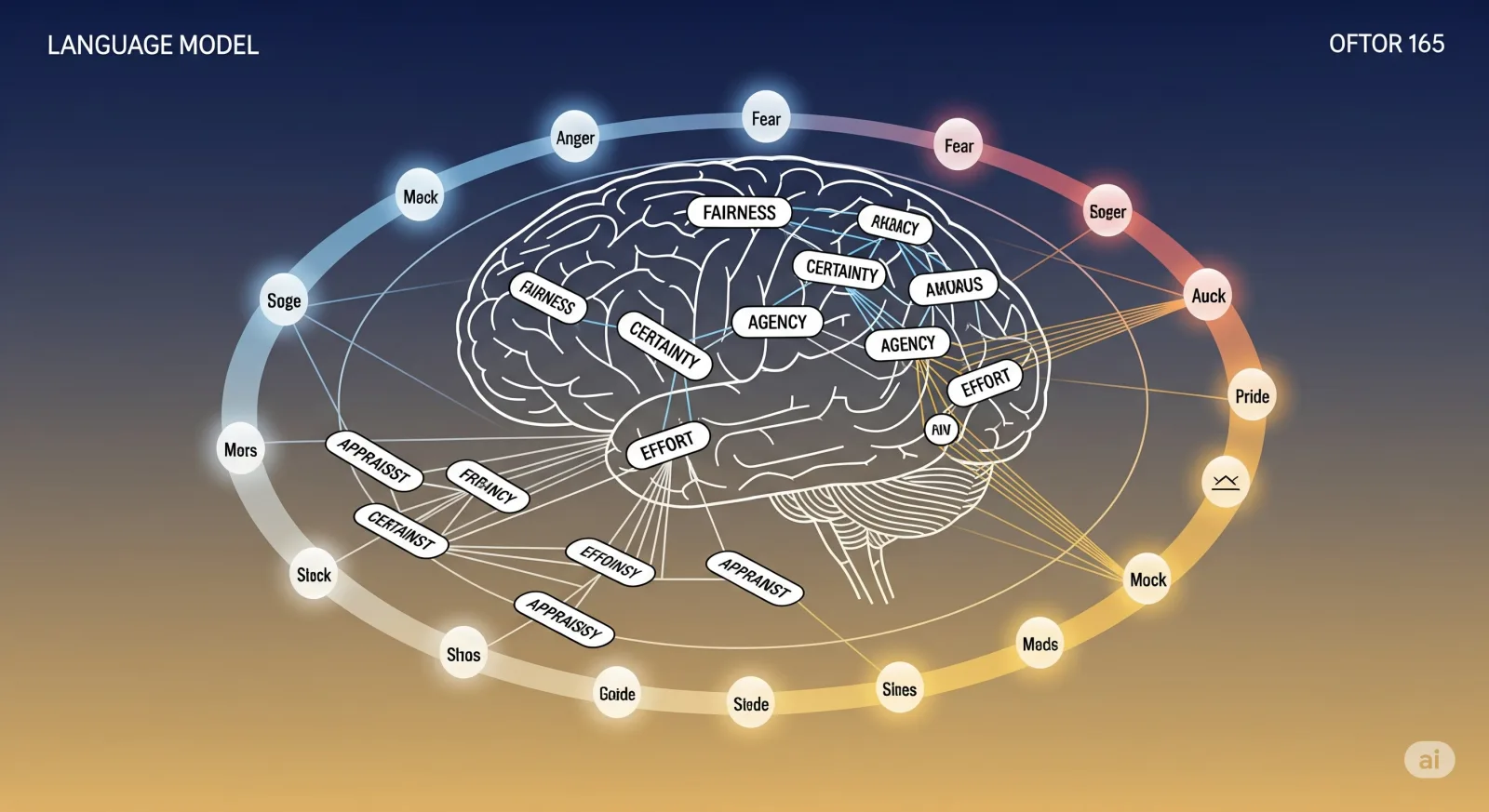
TL;DR for operators Most enterprise “emotion AI” still treats emotion as a label: anger, sadness, fear, joy. That is tidy, dashboard-friendly, and psychologically thin. The CoRE paper asks a better question: when an LLM interprets an emotional situation, does it reason through the underlying cognitive appraisals that humans use — fairness, responsibility, control, effort, certainty, pleasantness, obstacles, and related dimensions? The answer is not “no”. It is more inconvenient: LLMs do show structure, but the structure is fragile. ...

August 11, 2025 · 16 min · Zelina
Cover image

Words, Not Just Answers: Using Psycholinguistics to Test LLM Alignment

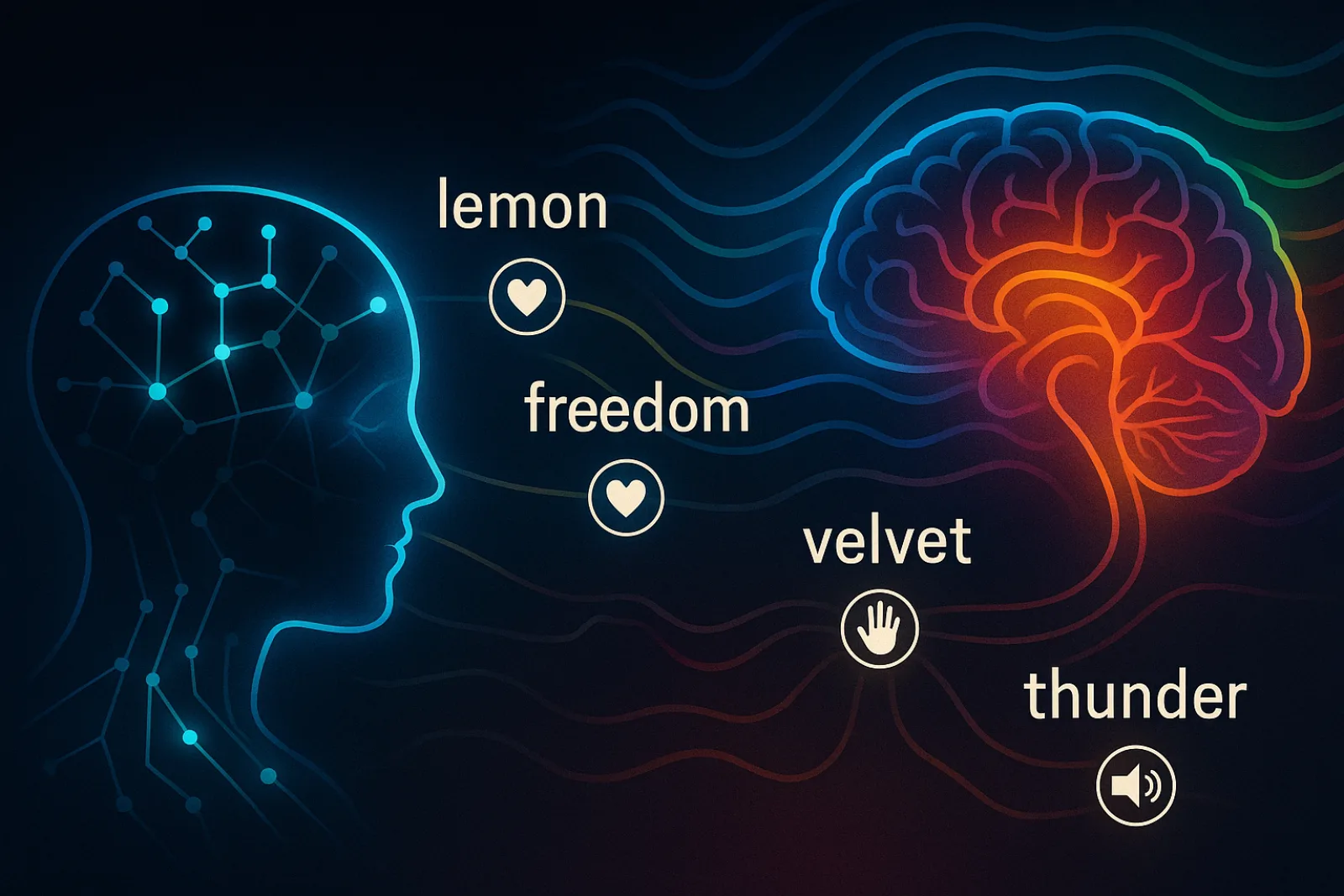
TL;DR for operators Most AI evaluation still asks whether a model can produce the right answer. This paper asks a quieter but more commercially awkward question: when a model uses a word, does it attach human-like emotional, concrete, familiar, gendered, or sensory associations to that word?1 The authors propose using established psycholinguistic word norms as an automated alignment test. Instead of hiring new human raters every time, they reuse datasets where humans have already rated thousands of English words on features such as arousal, valence, concreteness, imageability, familiarity, gender association, and sensory modalities. ...

July 1, 2025 · 15 min · Zelina