Cover image

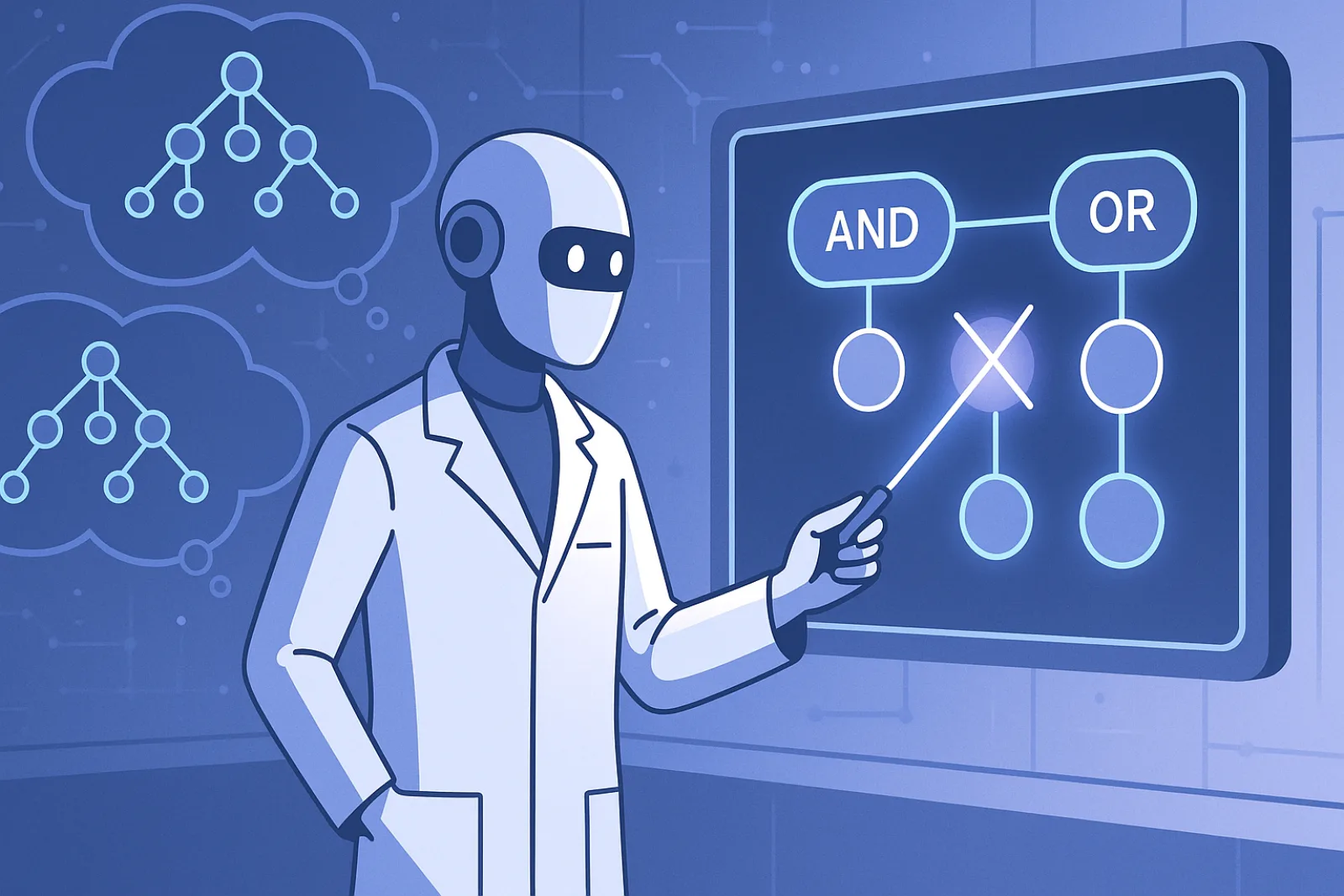
Order in the Court: Why XIL Doesn’t Panic Over Human Bias

Review queue. That is where many enterprise AI governance dreams quietly become manual work. A model makes a decision. An explanation highlights the evidence. A human reviewer approves it, rejects it, or corrects it. The system then learns from that feedback. In theory, this is how explainable AI becomes operational governance rather than a dashboard for admiring colorful heatmaps. ...
December 6, 2025 · 13 min · Zelina
Cover image

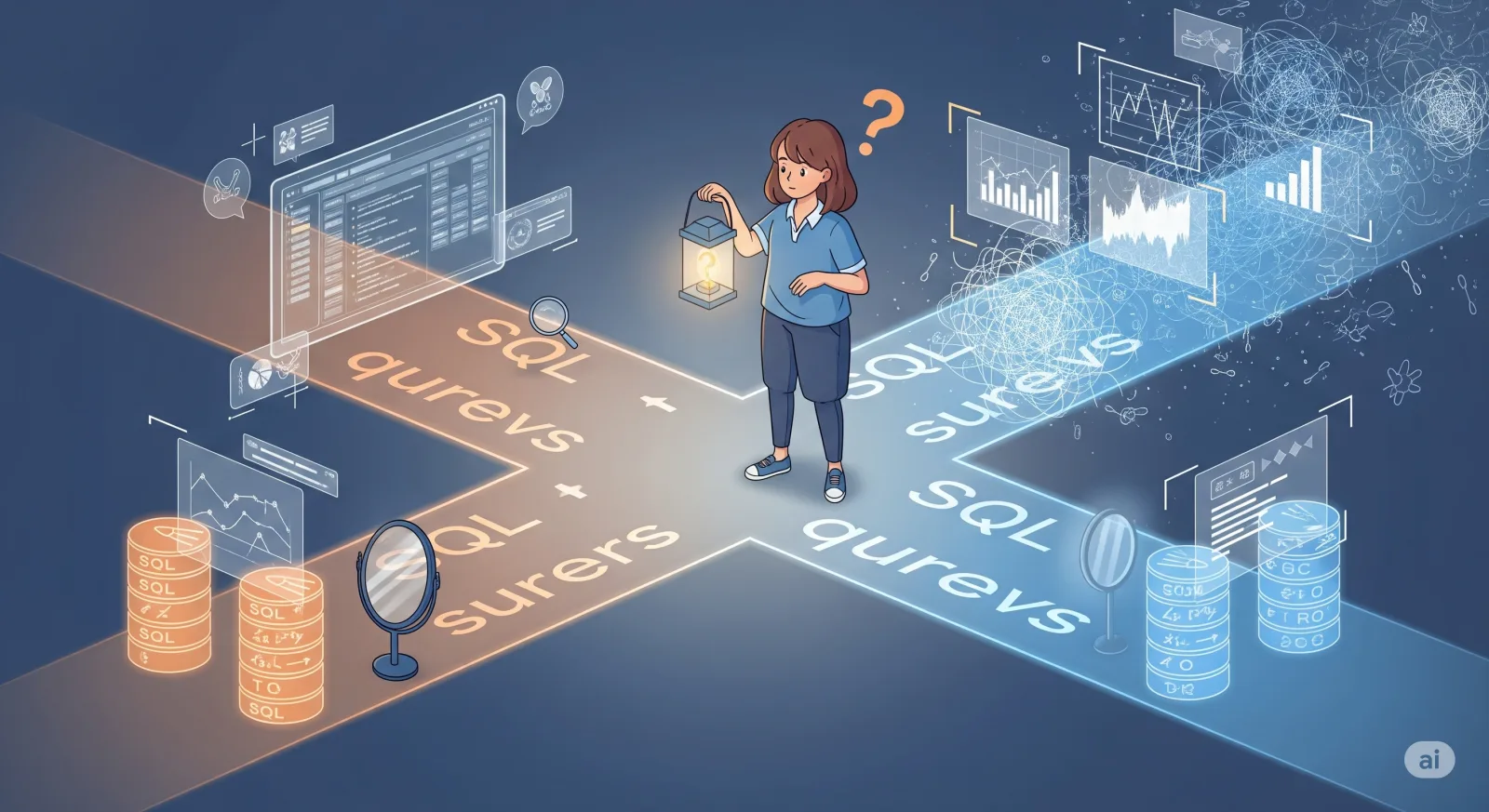
The Most Dangerous Query Is the One You Don't Question

TL;DR for operators VeriMinder is a useful reminder that the most dangerous analytics failure is not always a bad SQL query. Sometimes the SQL is correct, the dashboard loads, the stakeholder nods, and the decision is still built on a question that should never have passed quality control. The paper introduces VeriMinder, an interactive system that sits before or alongside a natural-language-to-SQL workflow and checks whether the user’s question is biased, under-specified, or poorly aligned with the decision being made.1 Its target is not SQL syntax. Its target is analytical intent. ...

July 25, 2025 · 17 min · Zelina
Cover image

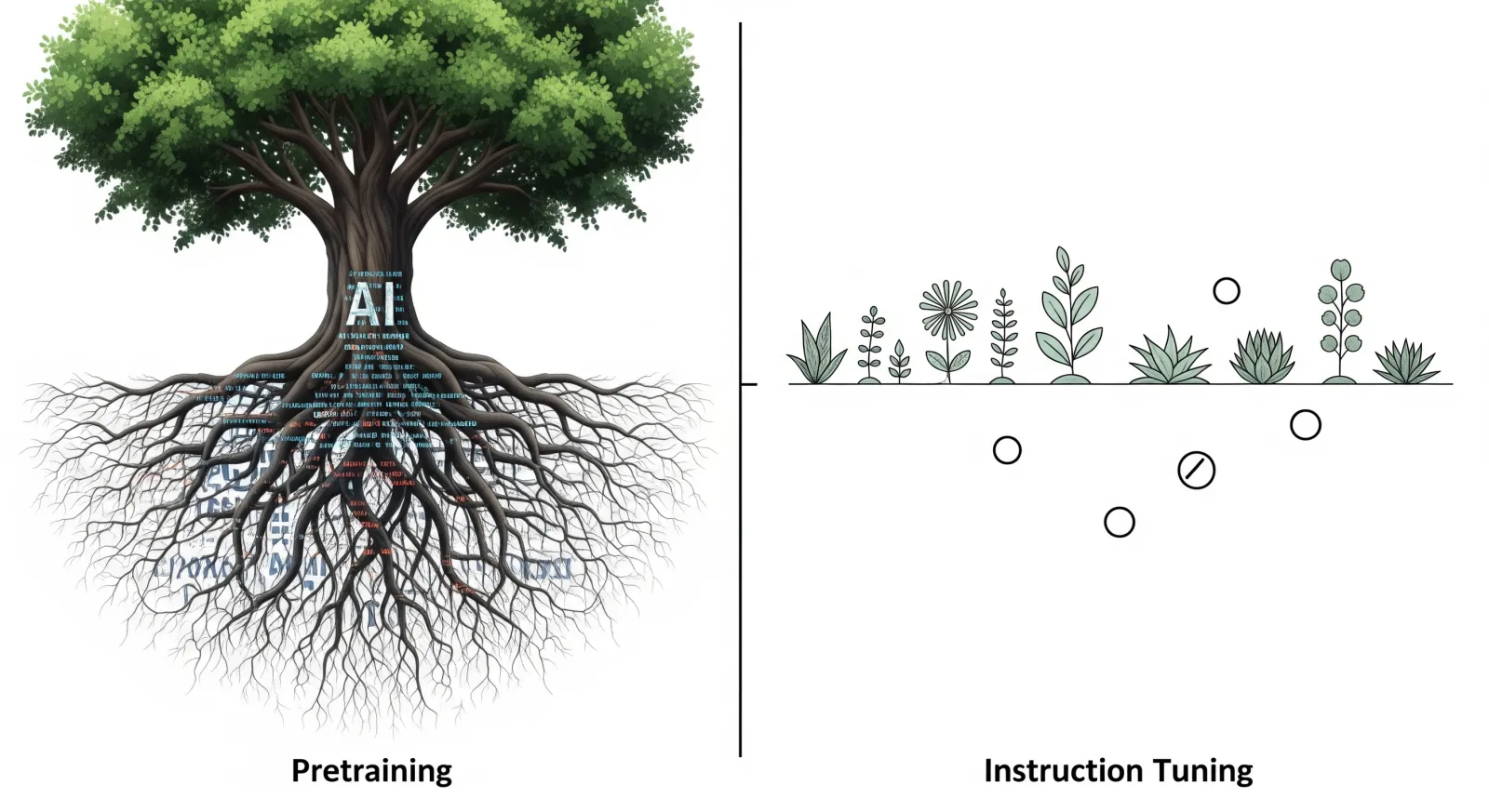
Bias, Baked In: Why Pretraining, Not Fine-Tuning, Shapes LLM Behavior

TL;DR for operators Fine-tuning is not a washing machine. It may polish, redirect, or occasionally muffle a model’s behavioural tendencies, but this paper suggests that many cognitive-bias patterns are already substantially shaped before instruction tuning begins. The study separates three possible sources of observed bias in large language models: the pretrained backbone, the instruction dataset, and random variation during fine-tuning. Its main finding is that models’ bias profiles cluster more strongly by pretrained model identity than by the instruction data used later. In plainer operational language: the base model carries a behavioural signature that survives downstream training. ...

July 13, 2025 · 16 min · Zelina
Cover image

Mind Games: How LLMs Subtly Rewire Human Judgment

TL;DR for operators When an LLM summarises a review, policy memo, support ticket, medical note, or news item, the operational question is not only “Did it get the facts right?” The sharper question is: did it change what the user is likely to believe, prioritise, or buy? The paper behind this article studies exactly that problem. It treats LLM-generated content as a decision interface and measures three ways the interface can quietly bend human judgment: changing the sentiment frame of the source, overemphasising the beginning of the source, and fabricating confident answers for events beyond the model’s knowledge cutoff.1 ...

July 8, 2025 · 19 min · Zelina
Cover image

Bias Busters: Teaching Language Agents to Think Like Scientists

TL;DR for operators Language-model agents do not merely make wrong causal guesses. In this paper, they gather evidence in a biased way, then interpret that evidence through the same bias. That is the uncomfortable part. The study turns the classic Blicket Test from developmental psychology into a text-based active exploration game for LM agents. The agent must test objects, observe whether a machine turns on, then infer which objects are “Blickets” and whether the hidden rule is disjunctive — any Blicket activates the machine — or conjunctive — all relevant Blickets must be present together.1 ...

May 15, 2025 · 15 min · Zelina