Cover image

Mind the Reward Gap: Why Business AI Needs More Than Pretty Answers

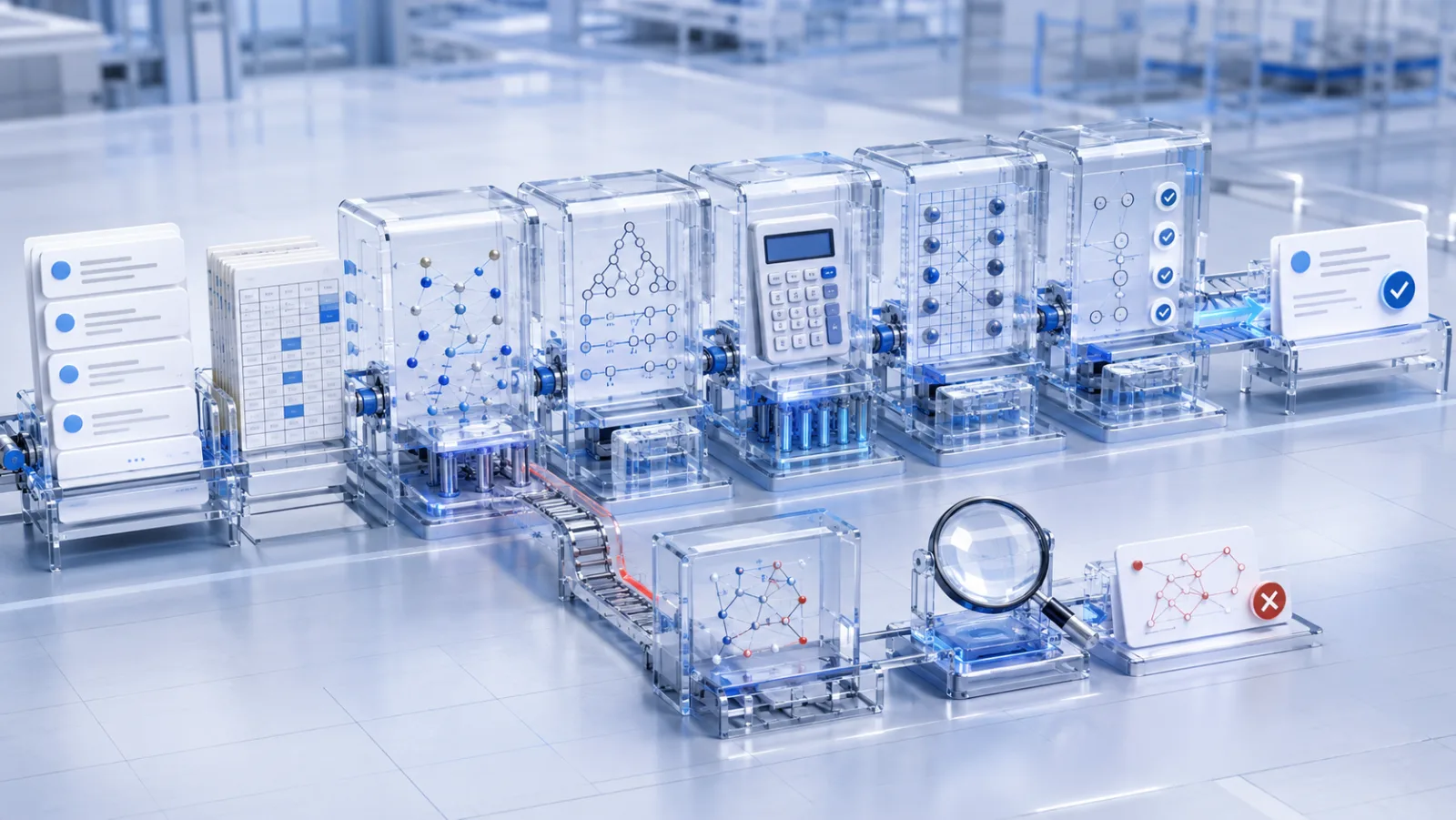
Opening — Why this matters now Business AI has entered its awkward teenage years. The first phase was easy to admire: models could draft, summarize, classify, recommend, and explain. Then companies started asking the rude adult questions: Can we trust the answer? Did it make the right trade-off? Can it improve from outcomes? What happens when the reward signal is wrong? ...

May 2, 2026 · 17 min · Zelina
Cover image

Reasonable Doubts: Why AI Reasoning Is Not a Solo Act

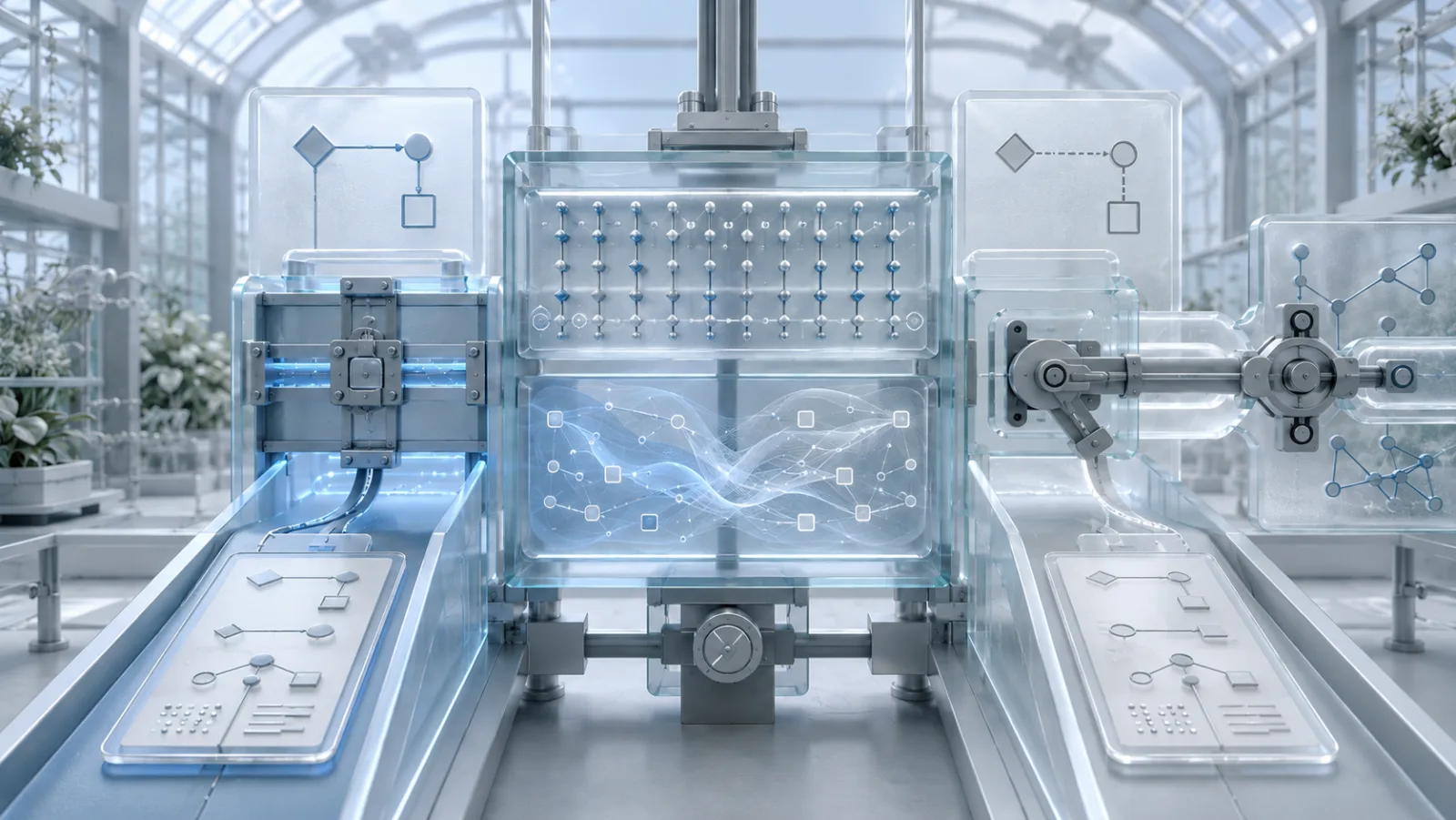
Opening — Why this matters now AI reasoning has become the software industry’s favorite magic word. Every product now claims to “reason,” usually after adding a longer prompt, a larger model, and a pricing page with the emotional warmth of a hospital bill. But three recent arXiv papers point to a more useful conclusion: reasoning is not a single capability that lives inside one heroic model. It is becoming a system architecture. ...

May 2, 2026 · 16 min · Zelina
Cover image

Model Citizens: Why Agentic AI Needs Laws, Not Just Loops

Opening — Why this matters now The current agentic AI conversation has a charmingly reckless habit: attach a large language model to tools, add a planner, sprinkle in memory, and call the result an autonomous system. This is not entirely wrong. It is merely incomplete in the way a paper airplane is technically aviation. ...

April 27, 2026 · 13 min · Zelina
Cover image

Voxtral TTS: When Speech Stops Imitating and Starts Performing

Opening — Why this matters now Voice AI has quietly become the most underpriced interface in modern software. Everyone is building chatbots; far fewer are building voices that people actually want to listen to. That gap is not cosmetic—it’s economic. The difference between “synthetic speech” and “convincing voice” determines whether AI becomes a background utility or a front-facing product. ...

March 27, 2026 · 5 min · Zelina
Cover image

Breaking the Glass Desktop: How OpenCUA Makes Computer-Use Agents a Public Asset

When we talk about AI agents that can “use a computer like a human,” most of today’s leaders—Claude, GPT-4o, Seed 1.5—are locked in proprietary vaults. This means the critical details that make them competent in high-stakes desktop workflows—training data, error recovery strategies, evaluation methods—are inaccessible to the wider research and business community. OpenCUA aims to change that, not by chasing hype, but by releasing the entire stack: tools, datasets, models, and benchmarks. ...

August 13, 2025 · 3 min · Zelina
Cover image

Tables Turned: Why LLM-Based Table Agents Are the Next Big Leap in Business AI

When most people think of AI today, they picture text generation, image synthesis, or copilots answering emails. But beneath the surface of digital transformation lies an often-overlooked backbone of enterprise work: tables. Spreadsheets, databases, and semi-structured tabular documents are still where critical operations happen — from finance to health records to logistics. A recent survey paper, Toward Real-World Table Agents, pushes us to rethink how AI interacts with tabular data. Instead of treating tables as static inputs, the authors argue that tables are evolving into active data canvases — and LLM-based Table Agents are poised to become their intelligent orchestrators. ...

July 15, 2025 · 4 min · Zelina
Cover image

Two Heads Are Better Than One: How Dual-Engine AI Reshapes Analytical Thinking

In a world awash with data and decisions, the tools we use to think are just as important as the thoughts themselves. That’s why the Dual Engines of Thoughts (DEoT) framework, recently introduced by NeuroWatt, is such a game-changer. It’s not just another spin on reasoning chains—it’s a whole new architecture of thought. 🧠 The Problem with Single-Track Thinking Most reasoning systems rely on either a single engine (a one-track logic flow like Chain-of-Thought) or a multi-agent setup (such as AutoGen) where agents collaborate on subtasks. However, both have trade-offs: ...

April 12, 2025 · 5 min