Cover image

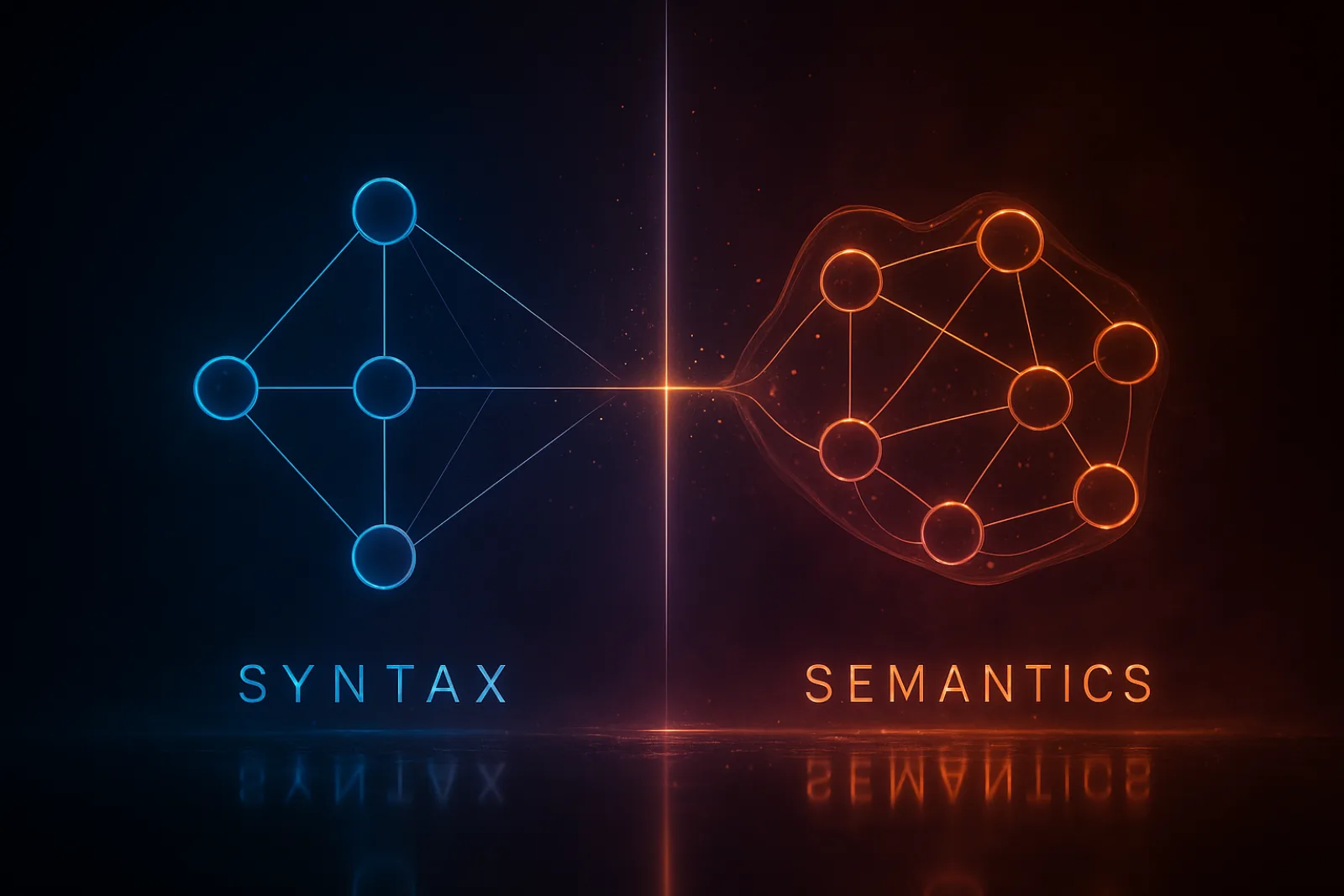
Graph Theory in Stereo: When Causality Meets Correlation in Categorical Space

Graph Theory in Stereo: When Causality Meets Correlation in Categorical Space Graphs look clean until they start carrying probability. A Bayesian network says: these variables have directed relationships; each node comes with a conditional distribution. A Markov network says: these variables interact symmetrically; each clique carries a potential. Both are old tools. Both are useful. Both are also a little too easy to treat as pictures with numbers attached, which is how software systems eventually grow a nice coat of ambiguity. ...


December 11, 2025 · 14 min · Zelina
Cover image

Bridging the Clinical Gap: When Bayesian Networks Meet Messy Medical Text

Hospitals already have the data. That is the annoying part. They have diagnosis codes, medications, lab results, visit histories, and structured fields that look reassuringly database-friendly. They also have clinical notes: dense, abbreviated, unevenly written, and occasionally allergic to neat categories. A patient can have a symptom implied by the record, described vaguely in the note, omitted entirely, or mentioned in a way that conflicts with everything else. ...

November 24, 2025 · 17 min · Zelina
Cover image

Filling the Gaps: How Bayesian Networks Learn to Guess Smarter in Intensive Care

ICU data has a habit of disappearing exactly when analysts would prefer it to behave. A blood gas is not measured. A pressure reading arrives late. A neurological score is absent because the patient is sedated, unstable, transferred, or simply surrounded by humans doing triage instead of satisfying a data scientist’s spreadsheet fantasies. Then, after the ward has produced this imperfect record, a model is asked to infer how the patient’s physiology evolved over time. ...

November 8, 2025 · 15 min · Zelina