
Cover image

From Indicators to Intent: When Trading Libraries Grow Up

Opening — Why this matters now Most trading libraries die of obesity. They start life as tidy indicator toolkits and, over time, accumulate ad‑hoc features, half‑finished strategies, and opinionated shortcuts that quietly blur the line between describing markets and acting on them. Eventually, users stop trusting what a signal actually means. The latest strategyr refactor is interesting because it does the opposite: it removes functionality. Aggressively. And in doing so, it clarifies what kind of system this wants to be. ...

February 1, 2026 · 3 min · Zelina
Cover image

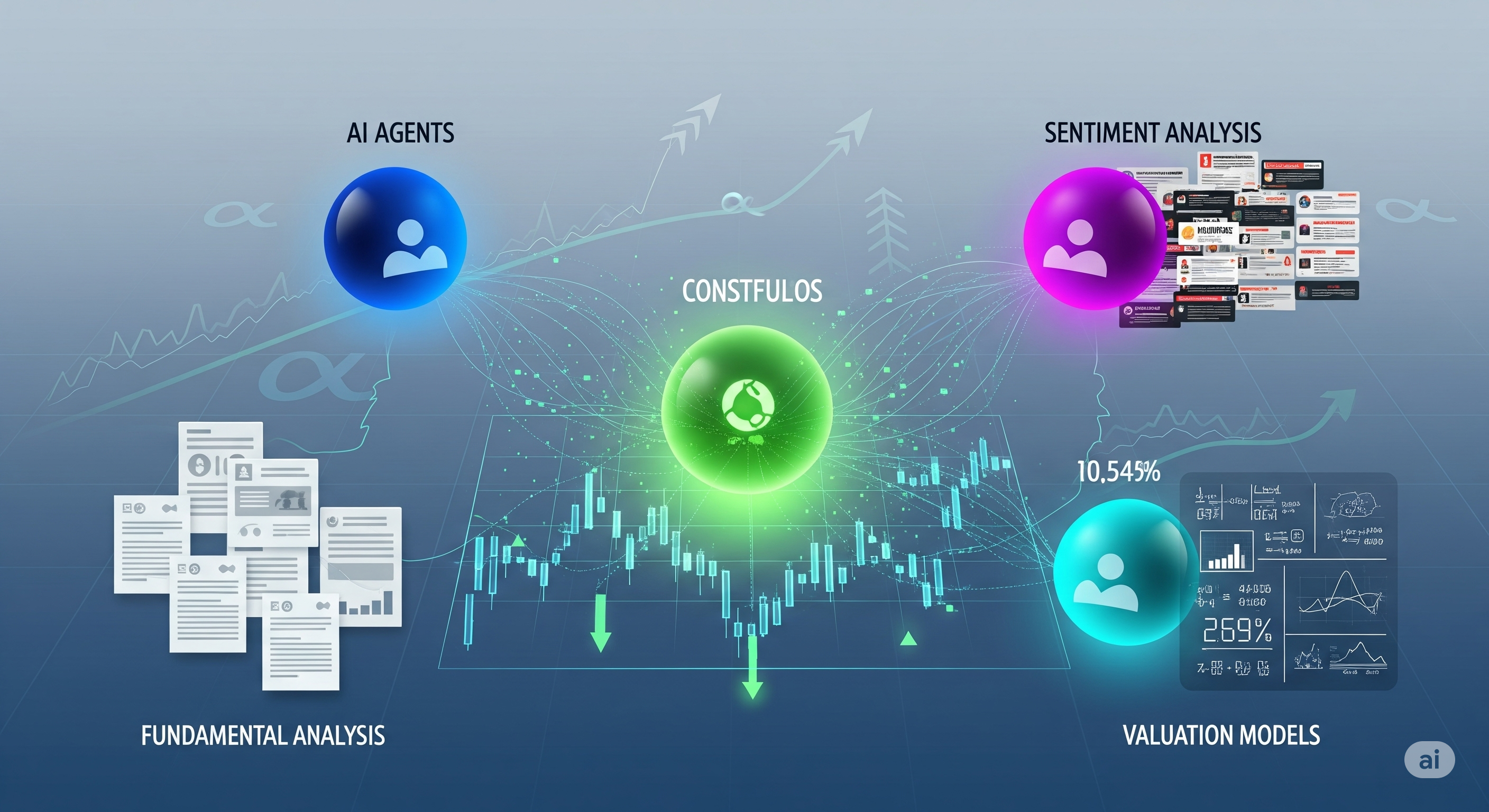
Three’s Company: When LLMs Argue Their Way to Alpha

TL;DR A role‑based, debate‑driven LLM system—AlphaAgents—coordinates three specialist agents (fundamental, sentiment, valuation) to screen equities, reach consensus, and build a simple, equal‑weight portfolio. In a four‑month backtest starting 2024‑02‑01 on 15 tech names, the risk‑neutral multi‑agent portfolio outperformed the benchmark and single‑agent baselines; risk‑averse variants underperformed in a bull run (as expected). The real innovation isn’t the short backtest—it’s the explainable process: constrained tools per role, structured debate, and explicit risk‑tolerance prompts. ...

August 18, 2025 · 5 min · Zelina
Cover image

Causality Pays: A Smarter Take on Volatility-Based Trading

In the noisy world of algorithmic trading, volatility is often treated as something to manage or hedge against. But what if it could be a signal generator? Ivan Letteri’s recent paper proposes a novel trading framework that does just that: it treats mid-range volatility not as a nuisance, but as the key to unlocking directional causality between assets. From Volatility to Causality: The 4-Step Pipeline This is not your standard volatility arbitrage. The author introduces a four-stage pipeline that transforms volatility clusters into trading signals: ...

July 15, 2025 · 3 min · Zelina