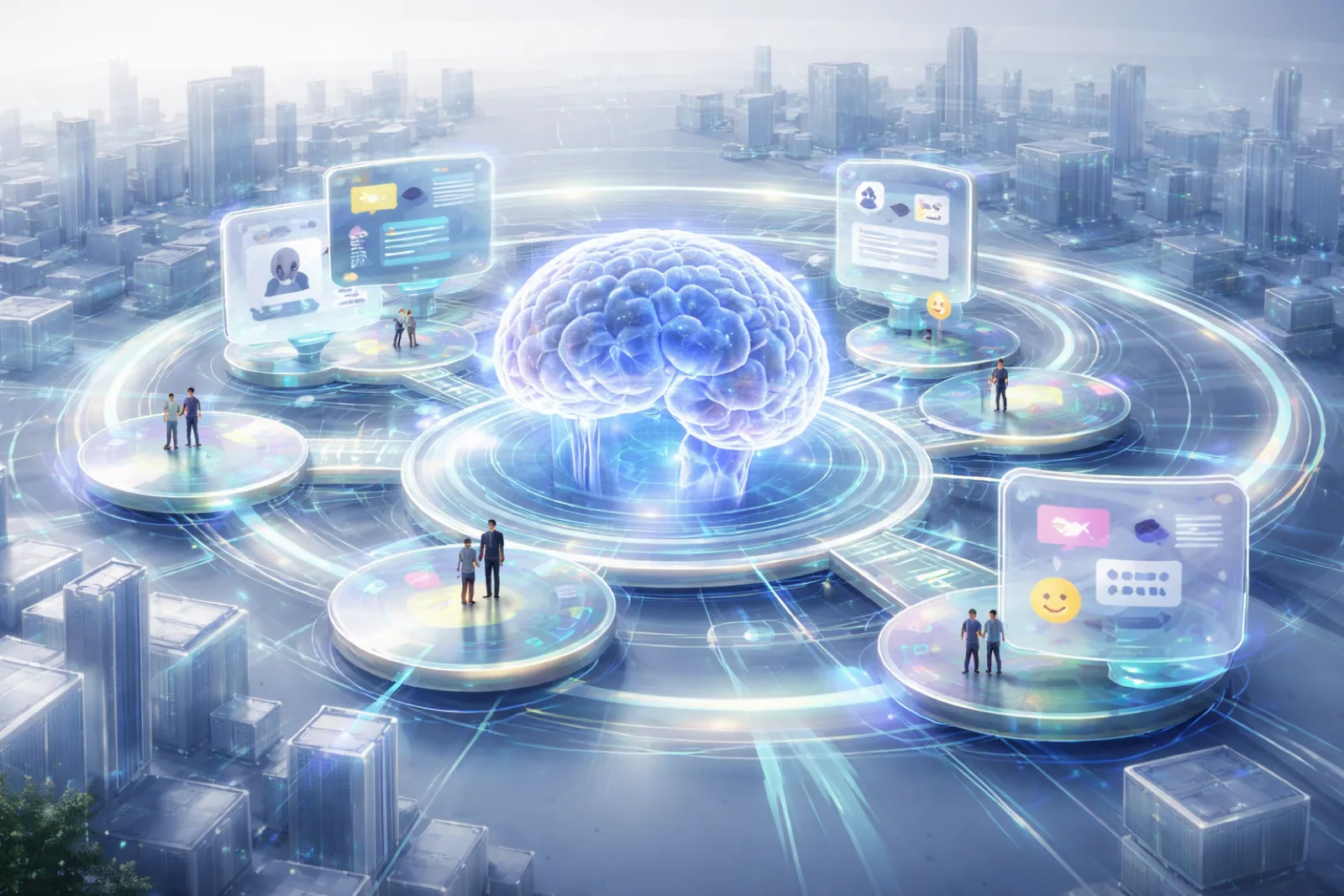
The Memory Isn’t the Point — It’s the Feeling: Why AI Needs Affective Memory, Not Just Recall
Memory sounds like a simple product feature. A user tells an assistant something today. The assistant remembers it tomorrow. Everyone applauds, the demo works, and someone writes “personalization” on a roadmap slide. Lovely. We have rediscovered a notebook. The harder problem begins when the user does not explicitly say what matters. A student says, “It’s fine.” A customer writes, “No worries.” A therapy-like support user replies with a short, polite sentence that looks neutral in isolation. Locally, the words are harmless. Historically, they may be resignation, guardedness, disappointment, or the emotional equivalent of quietly closing the door. ...